

 Content Writer: Janice Chew • Tuesday, 26/08/2026 - 22:57:28 - PM
Sportradar delivered another quarter of double-digit growth in 2Q26, but the sports technology company’s reduced full-year guidance overshadowed its headline performance.
Revenue increased 19% year-on-year to €377.8 million, while adjusted EBITDA also rose 19% to €76.3 million. Adjusted EBITDA margin edged up to 20.2%, compared with 20.1% a year earlier.
Despite these gains, Sportradar lowered its 2026 revenue and adjusted EBITDA expectations, citing weaker momentum among traditional US sportsbooks, delayed prediction-market agreements and several regulatory and taxation headwinds.
Sportradar Lowers Its 2026 Targets
Sportradar now expects reported 2026 revenue of between €1.518 billion and €1.533 billion, down from its previous range of €1.557 billion to €1.582 billion.
Its adjusted EBITDA forecast was reduced more significantly, from €390 million–€400 million to €360 million–€368 million. Expected reported margin expansion was also lowered from approximately 200–225 basis points to 70–100 basis points.
The revised guidance suggests that the challenge is not simply weaker revenue. Sportradar carries substantial sports-rights and technology costs, meaning that delays in expected revenue can have a disproportionate effect on EBITDA growth.
Revenue Growth Remains Broad-Based
Betting Technology & Solutions remained Sportradar’s largest growth engine, with revenue increasing 21% to €314 million.
Within that division, Betting & Gaming Content revenue grew 27%, supported by increased adoption of Sportradar products and the integration of content acquired through IMG ARENA.
Sports Content, Technology & Services revenue rose 9% to €64 million, helped by stronger marketing and media activity. Geographically, Rest of World revenue increased 20%, while US revenue rose 16% on a reported basis and approximately 22% at constant currency.
CEO Carsten Koerl said demand for Sportradar’s premium data, content and technology remained strong. He highlighted the company’s continued monetisation of IMG ARENA rights and its expansion into prediction markets as important long-term growth opportunities.

Why the Guidance Was Reduced
On Sportradar’s earnings call, CFO Craig Felenstein identified three main reasons for the revision.

First, traditional US sportsbook growth remained relatively soft. The US market lacked major new state launches, while existing operators faced a more mature growth environment.
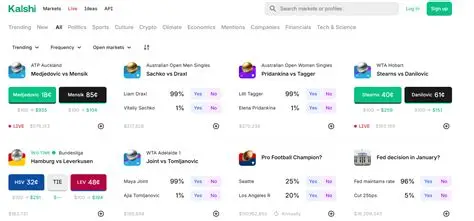
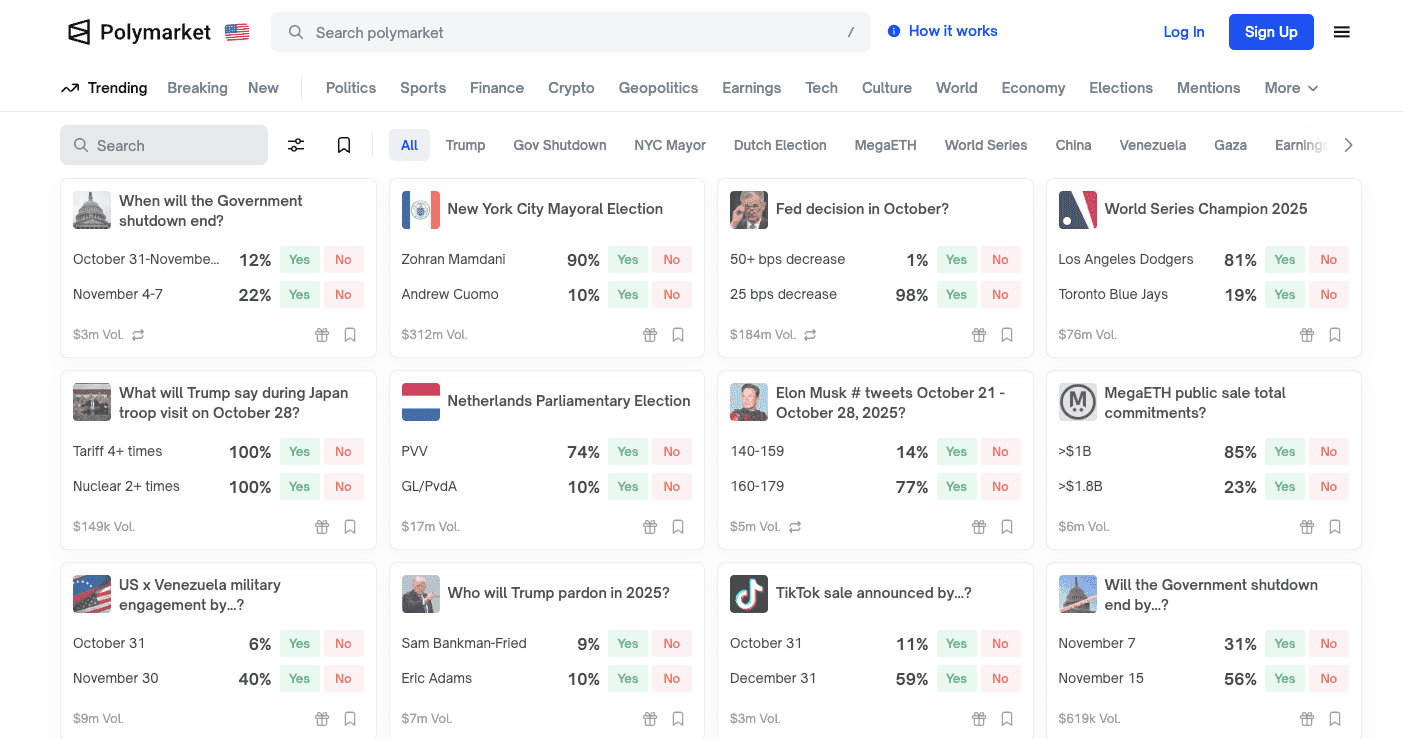
Second, Sportradar’s agreements with prediction-market platforms took longer to complete than management had anticipated. Although partnerships with Kalshi and Polymarket are now in place, some revenue has effectively shifted into later periods.
Third, the recovery in Sportradar’s advertising-related business was not sufficient to recover weakness experienced earlier in the year.
Felenstein said these were the “three primary drivers” behind the lower guidance, while maintaining that the company’s longer-term fundamentals had not changed.
Sports-Rights Costs Increase the Pressure
Sportradar’s sports-rights expenses increased 30% year-on-year to €138 million during the quarter, mainly because of the IMG ARENA portfolio and the seasonal concentration of tennis, football and golf events.

Adjusted purchased-services expenses increased 20%, partly because of higher cloud expenditure, while adjusted other operating expenses rose 42% due to costs associated with Brazil, legal matters and new market opportunities.
However, adjusted personnel expenses declined 4%, despite the inclusion of IMG employees, as restructuring and efficiency programmes began producing savings.
Sportradar maintains that its major sports-rights agreements are locked in over the long term and that every top-tier rights portfolio remains profitable. Management therefore appears unwilling to respond to short-term volatility by reducing its commitment to premium content.
Foreign Exchange Drives a Net Loss
Sportradar recorded a net loss of approximately €4 million, compared with a €49 million profit in 2Q25.
The shift was primarily caused by a €9 million foreign-exchange loss associated mainly with US dollar-denominated sports-rights obligations. During the corresponding period last year, Sportradar recorded a €54 million foreign-exchange gain.
The company also recognised approximately €11 million in restructuring expenses during the quarter.
This creates an important distinction between Sportradar’s operating performance and its reported profitability. Its underlying business continued growing, but currency movements and restructuring costs significantly changed the bottom line.
Cash Flow Offers a More Positive Signal
Sportradar generated €103 million in free cash flow during the first half of 2026, an increase of 23% year-on-year. Free-cash-flow conversion improved to 73%, from 68% in the prior-year period.
The company ended June with €251 million in cash and no outstanding debt. It also repurchased approximately $140 million of shares during the second quarter as part of its wider $1 billion authorisation.
The strong cash conversion suggests that the business remains financially resilient despite the guidance reset and reported net loss.
Prediction Markets Remain the Key New Opportunity
Sportradar is positioning prediction markets as an extension of its existing sports-betting infrastructure rather than a completely separate business.
Its agreement with Kalshi includes sports data, odds, fan-engagement products, customer-acquisition services and integrity monitoring. Sportradar has also partnered with Polymarket to provide ATP Tour streaming, data and associated solutions.
Management expects prediction-market revenue to begin contributing more meaningfully during the second half of 2026, with a substantially larger opportunity anticipated in 2027 and 2028.
Speaker Remarks
Carsten Koerl, CEO: Sportradar continues to view itself as a mission-critical provider connecting sports, media and betting. He said the company remained committed to premium sports rights, prediction markets and its developing Playradar iGaming business.

Craig Felenstein, CFO: The guidance reduction reflected delayed prediction-market revenue, an earlier advertising shortfall and continued softness in the underlying US sportsbook market. He nevertheless expects Sportradar to continue outperforming the wider market in 2027.
Industry Perspective
Sportradar’s results demonstrate the difference between strategic growth and perfectly timed growth.
The IMG ARENA acquisition is already helping to drive betting-content revenue, while prediction markets could create an important new distribution channel. However, the company must pay sports-rights, technology and operating costs before all of the expected revenue has fully arrived.
This creates short-term pressure on margins when contracts are delayed or sportsbook growth slows.
The outlook cut therefore does not necessarily indicate that Sportradar’s expansion strategy has failed. Instead, it shows how fixed content costs can magnify comparatively small changes in revenue timing.
The company’s next test will be whether prediction-market revenue, IMG ARENA synergies and Playradar adoption can produce enough incremental growth to restore stronger margin expansion in 2027.