

 Content Writer: Janice Chew • Friday, 26/03/2026 - 14:54:24 - PM
MGM China is preparing to launch 124 new premium mass suites at MGM Cotai, reinforcing its focus on high-value independent players while continuing to evaluate how best to deploy the remainder of its US$2.3 billion non-gaming investment commitment under Macau’s current gaming concession.
The strategy reflects two parallel priorities: expanding premium mass capacity and optimizing long-term non-gaming investments in Macau.
Premium Mass Suites Launching at MGM Cotai
The 124 new suites will be introduced at MGM Cotai in April, adding to a series of premium upgrades implemented in recent years.
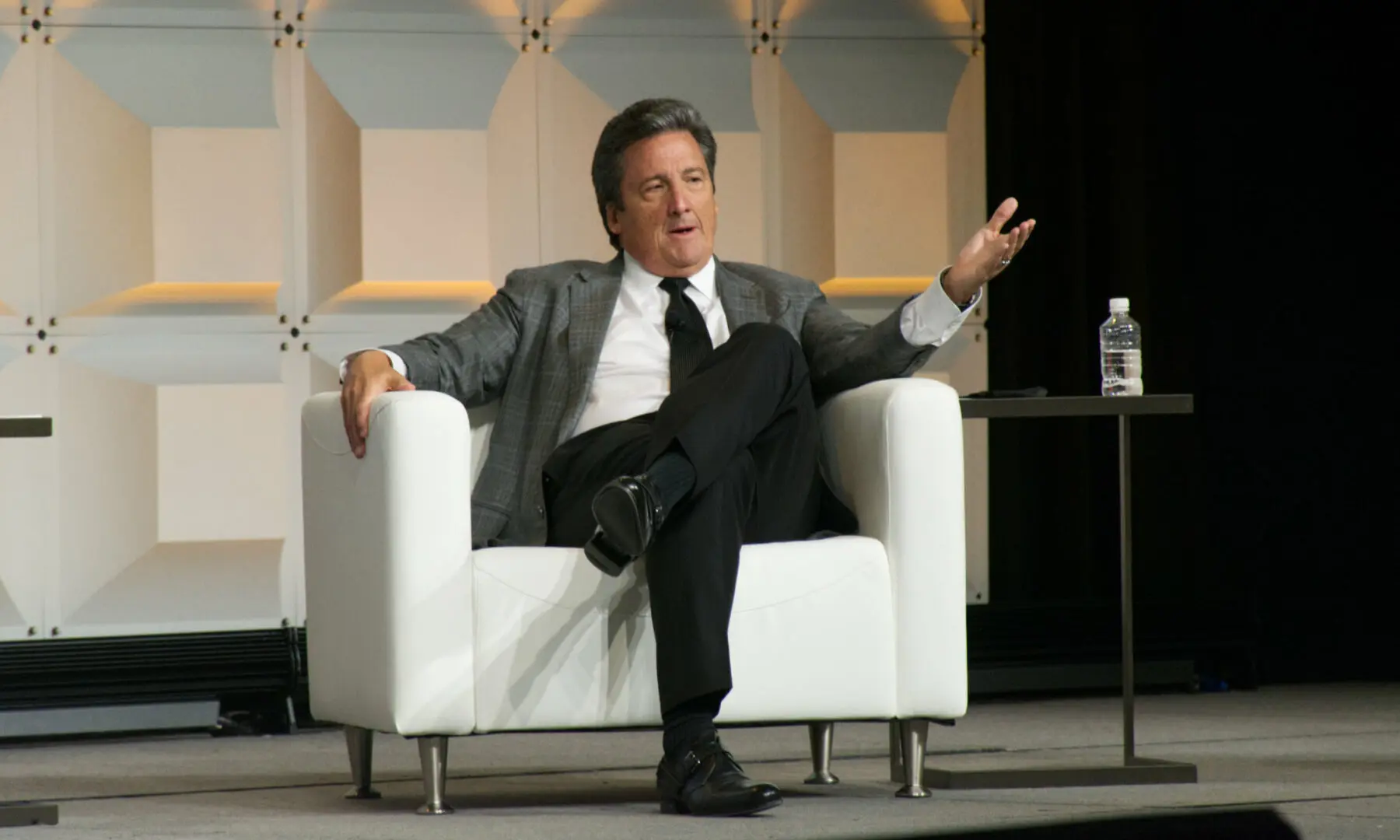
According to Bill Hornbuckle, CEO and President of MGM Resorts International, the investment reflects MGM’s continued push into the premium mass segment.
“Premium mass has really made a difference and we’re pushing hard into that.”
The suites are designed to support high-value independent players who typically travel without junket intermediaries and spend heavily across gaming, dining and luxury experiences.
This strategy has helped MGM increase its Macau market share from below 10% pre-COVID to more than 16% today.
Premium Mass Strategy Across MGM’s Macau Portfolio
While the new suites are located at MGM Cotai, MGM has been strengthening premium gaming offerings across its Macau operations.
The company operates two integrated resorts:
-
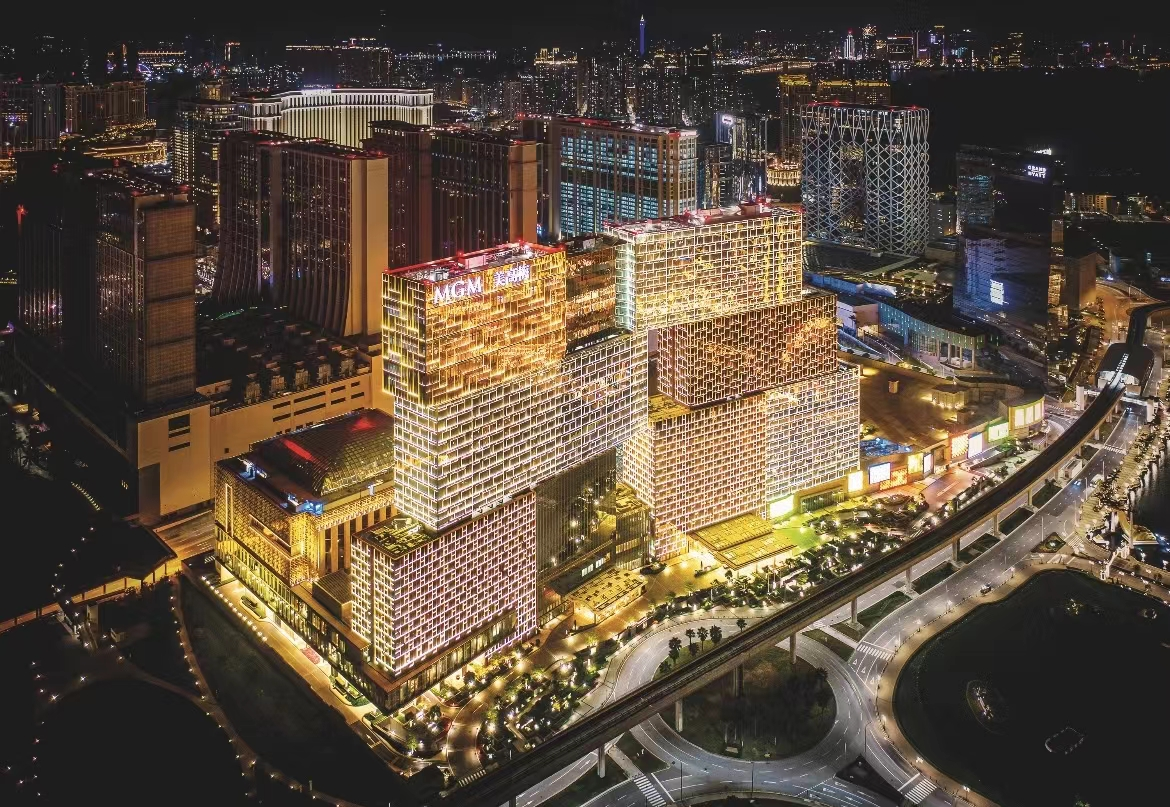
MGM Cotai
-
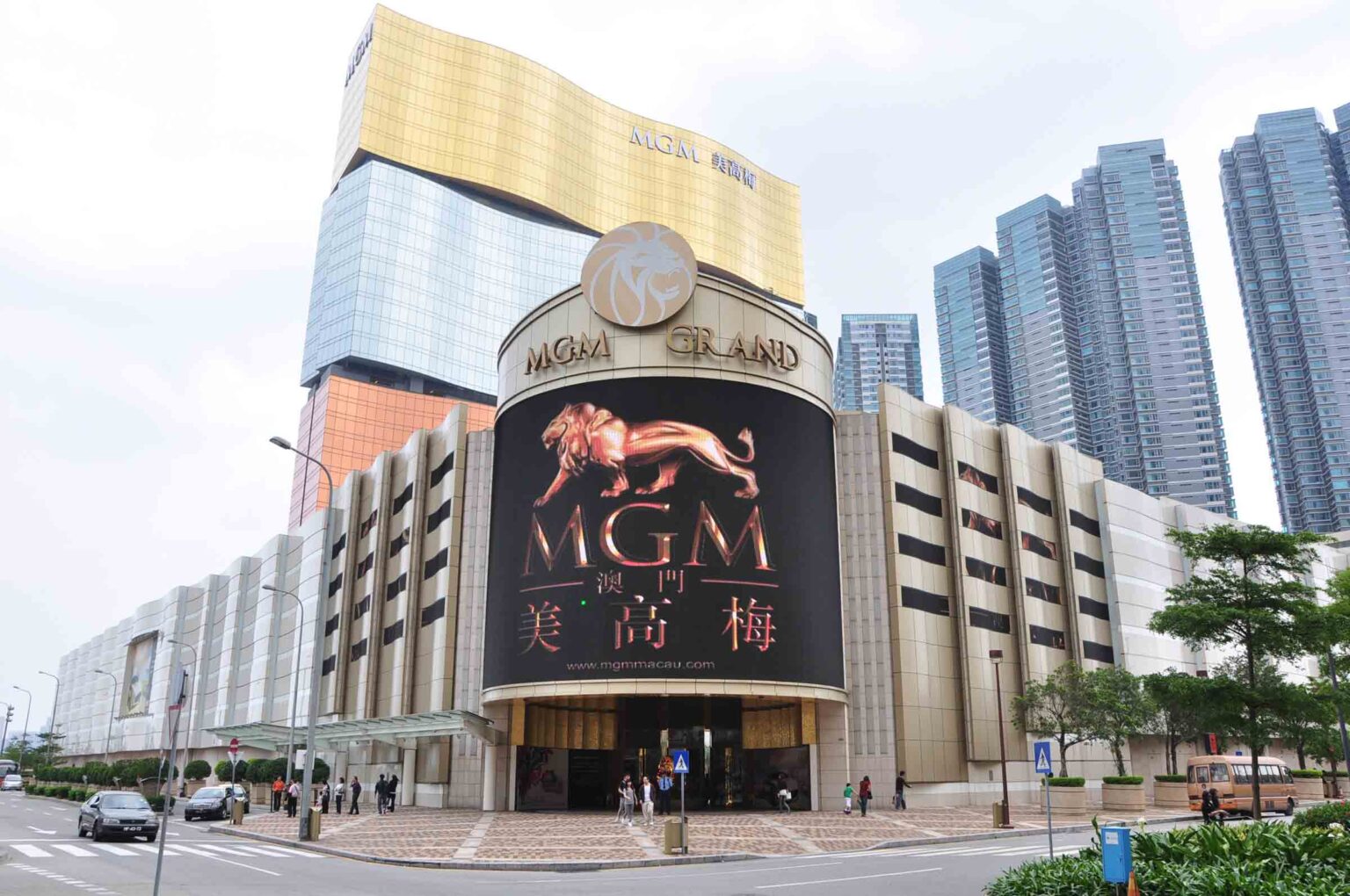
MGM Macau
Across both properties, MGM has been converting former junket gaming areas into premium mass and direct VIP spaces, reflecting structural changes in Macau’s gaming ecosystem.
Hornbuckle explained that the line between premium mass and VIP players has increasingly blurred.
“Of our 10 biggest customers, six or seven are considered premium mass and the other three or four VIP. It mostly comes down to how they want to play.”
Non-Gaming Investment Commitments Under Review
MGM China committed US$2.3 billion toward non-gaming investments under its current concession agreement with the Macau SAR Government.
Hornbuckle revealed that around 35% of this commitment has already been deployed, leaving roughly US$1.5 billion still to be allocated.
Since the concession renewal in 2022, MGM has launched several notable non-gaming attractions, including:
-
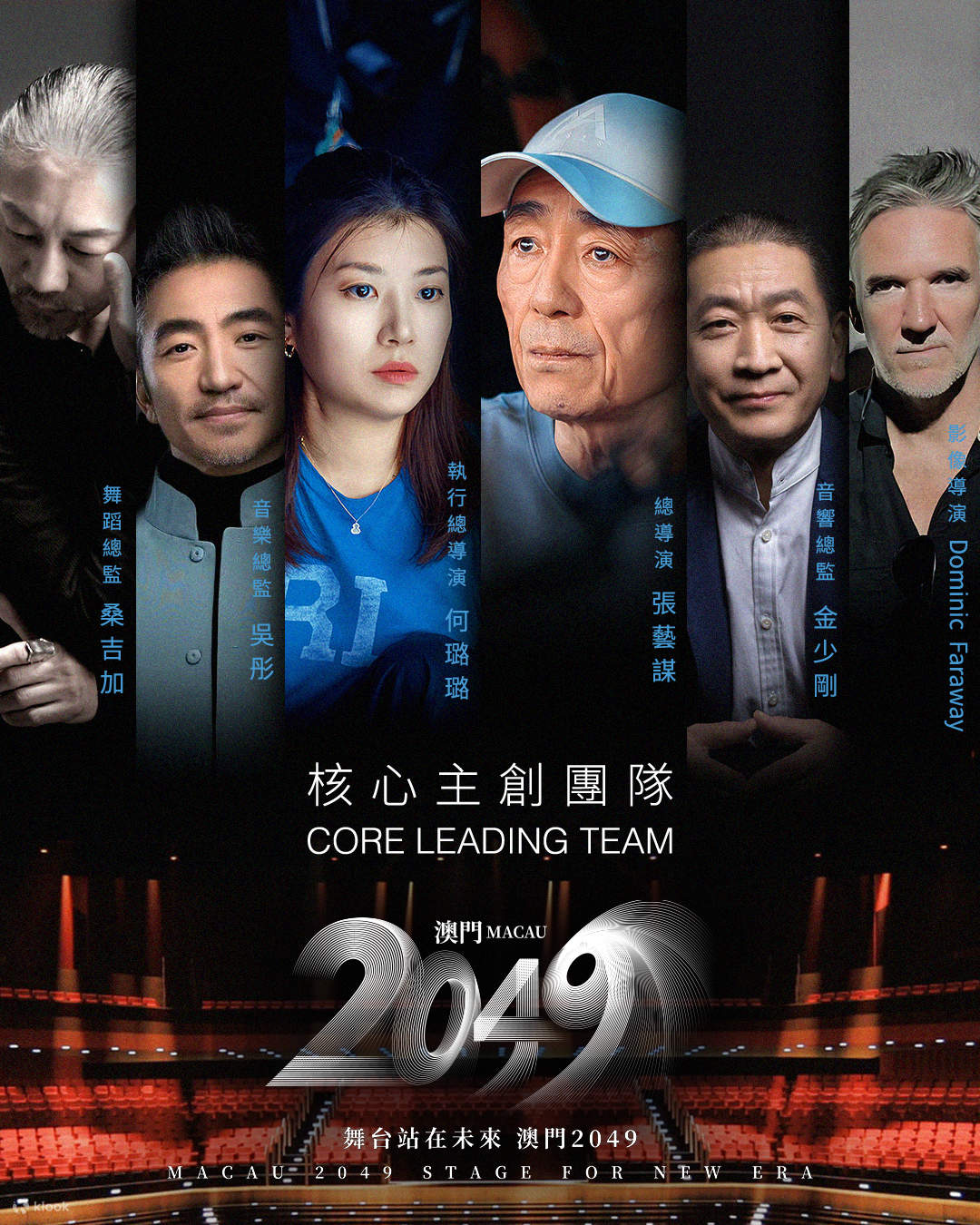
Macau 2049
-
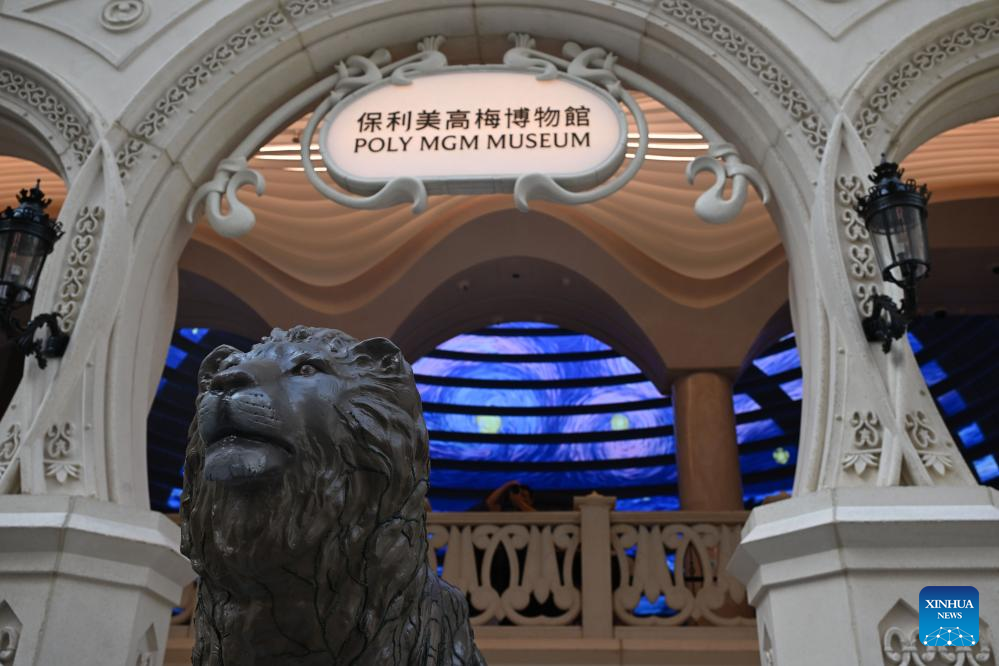
Poly MGM Museum
-
Fantasy Box

Hornbuckle acknowledged that many Macau operators are now reassessing how to best utilize the remainder of their commitments.
“We are all getting to a point where we’re evaluating how to spend the next money.”
He added that MGM intends to work closely with the Macau government to ensure the investments are both effective and aligned with the city’s tourism strategy.
Macau Market Outlook
Hornbuckle indicated that Macau’s market dynamics remain strong entering 2026, including during the Chinese New Year period.
However, he noted that increasing market share further may be difficult given MGM’s relative footprint.
“We’ve enjoyed around 15% market share and I think over time we’ll continue to do that… but Macau remains competitive – it’s a dog fight.”
The company nevertheless expects to benefit from a full year of high-end gaming and hospitality products introduced in 2025.
Looking Beyond Macau: Japan’s Integrated Resort Opportunity
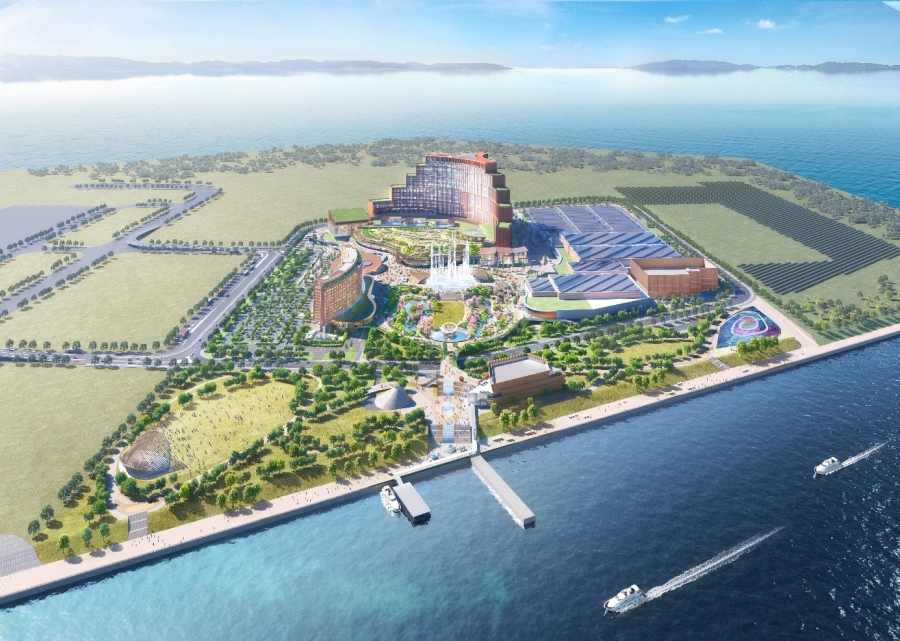
Hornbuckle also spoke about MGM Osaka Integrated Resort, MGM’s upcoming integrated resort in Osaka.
He compared Japan’s future IR market to the current scale of Marina Bay Sands in Singapore, outlining expectations that the project could initially generate around US$2 billion in annual cash flow.
Given MGM’s 40% ownership stake, the company’s share could reach approximately US$800 million.
“It’s a meaningful business,” Hornbuckle said. “I think it potentially could be bigger than that, but time will tell.”
He also highlighted Japan’s geographic advantage relative to Macau.
“We are an hour-and-a-half closer to Shanghai and Beijing than Macau.”
Hornbuckle also pointed to the scale of Japan’s existing gaming-like entertainment sector.
“The pachinko business in Japan is still over US$30 billion in gaming revenue.”
Concerns that the Osaka IR site might feel isolated have also eased following strong visitor traffic during the Expo 2025 Osaka, when roughly 250,000 people visited the site area in a single week.
“The infrastructure is there, it works, and the product we’re going to build will be exceptional.”
Strategic Insight: Premium Mass and Global Expansion
MGM’s strategy highlights two major trends shaping the global integrated resort industry:
Premium mass players dominate modern casino economics
Operators are designing suites and gaming areas specifically to attract high-value independent travelers.
New markets are becoming increasingly important
Projects like the Osaka integrated resort could significantly expand the global gaming footprint beyond traditional hubs.
Final Take
MGM China’s upcoming suite launch underscores how the premium mass segment continues to redefine Macau’s gaming landscape.
At the same time, MGM’s ongoing evaluation of its US$1.5 billion remaining non-gaming investment commitment reflects the broader challenge operators face in balancing gaming-driven profitability with tourism diversification.
With Macau stabilizing and new markets such as Japan emerging, MGM appears focused on maximizing premium mass opportunities while preparing for the next phase of integrated resort growth in Asia.