

 Content Writer: Janice Chew • Tuesday, 26/08/2026 - 16:36:48 - PM
Serious allegations involving Australia’s sportsbook VIP programmes have intensified scrutiny of the wagering industry as lawmakers consider new gambling reforms.
Former Canberra Raiders player Luke Bateman told a Senate inquiry that sportsbook representatives cultivated relationships with high-spending customers through bonus bets, paid travel, exclusive events, alcohol and, allegedly, access to illicit drugs. Separate allegations raised by gambling-reform campaigners included the provision of escorts and other benefits.
The claims remain allegations and have been strongly denied by Sportsbet and Tabcorp, both of which have called for supporting evidence to be provided to regulators and law-enforcement authorities.
Bateman Describes the VIP Customer Experience
Bateman said that, during the height of his gambling problems, he was losing tens of thousands of dollars each month and had been assigned personal account managers by several wagering companies.
According to his testimony, these representatives regularly offered bonus bets and invitations to events where travel, accommodation, food and alcohol were covered. He argued that the relationships were designed to encourage customers to continue betting with a particular operator rather than to provide genuine customer care.
Bateman also alleged that sportsbook employees offered to arrange illicit drugs before interstate events. He described attending a gathering at a Gold Coast rental property where senior representatives of an unnamed gambling company allegedly consumed drugs with customers.
When Senator David Pocock asked whether senior management knew about the conduct, Bateman replied: “Not only did they know, they were participating in it.”
Additional Allegations Raised at the Inquiry
Alliance for Gambling Reform chief advocate Tim Costello raised a separate case involving a high-spending gambler facing criminal proceedings related to the alleged theft of approximately AU$12.3 million.
Costello claimed that the customer had received large bonus bets, free accommodation, flights to major sporting events, drugs and escorts while reportedly generating monthly wagering turnover exceeding AU$20 million.
No publicly tested evidence establishing that Sportsbet or Tabcorp authorised such conduct had been presented at the time of reporting.
Sportsbet and Tabcorp Reject the Claims
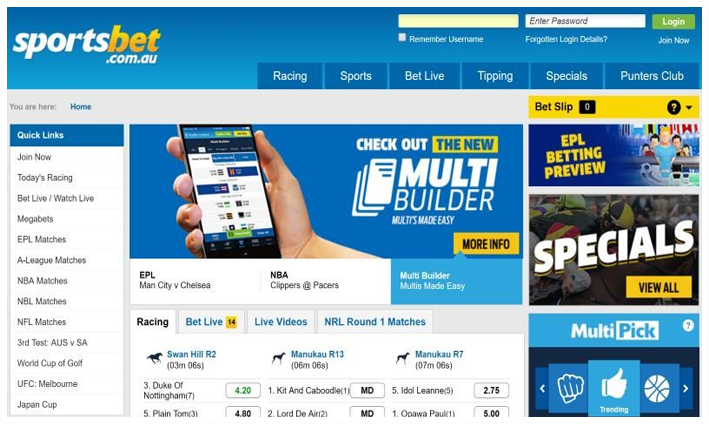
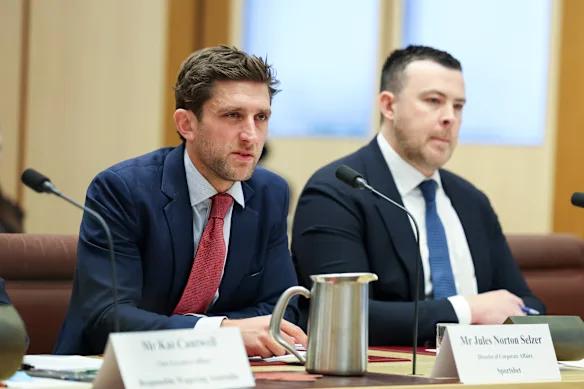
Sportsbet corporate affairs director Jules Norton Selzer told the inquiry that the company had “zero evidence” supporting the allegations and no tolerance for such conduct.
Sportsbet said it was prepared to investigate any information provided through appropriate channels and maintained that its objective was to allow adult customers to use its products safely and responsibly.
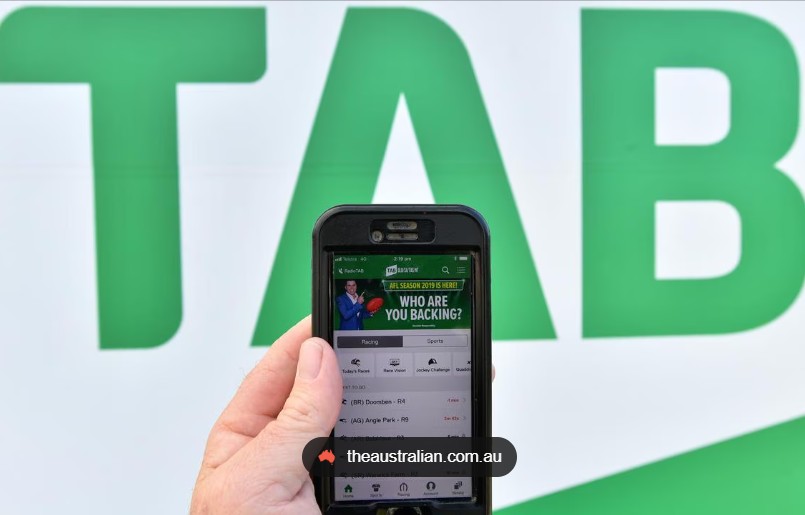
Tabcorp head of government affairs Julian Whealing similarly said that drugs, escorts and alcohol were not part of the company’s customer offering. He urged anyone holding evidence of illegal activity to provide it to the relevant authorities.
The inquiry was told that Tabcorp had approximately 800,000 active customers, around 400 of whom were classified as VIPs. Both Tabcorp and Sportsbet reportedly employed about 20 people in VIP account-management roles.
Key Remarks from the Hearing
Luke Bateman, former NRL player: VIP relationships and repeated inducements made it harder for vulnerable customers to withdraw from gambling.
Jules Norton Selzer, Sportsbet: The company denied having evidence of the alleged conduct and said it would investigate credible information.
Julian Whealing, Tabcorp: Any evidence of illegal activity should be referred to the appropriate authorities.
Kai Cantwell, Responsible Wagering Australia: The industry had not always handled promotions and advertising correctly but had acted when problems were identified.
Richard Marles, acting prime minister: He described some of the evidence presented to the inquiry as “quite shocking”.
The Regulatory Gap Goes Beyond Advertising
Australia’s proposed Interactive Gambling Amendment (Gambling Reform) Bill 2026 focuses heavily on public-facing advertising.
The proposed measures include limiting television gambling advertisements, banning them during certain live-sport broadcasts, restricting online advertising to logged-in adults who can opt out, prohibiting athlete and celebrity endorsements, removing gambling branding from sports venues and uniforms, strengthening BetStop and expanding action against illegal offshore operators.
However, the allegations presented to the Senate highlight a different risk: highly personalised marketing conducted privately through VIP managers, direct messages, entertainment and customer hospitality.
Advertising restrictions may reduce broad public exposure, particularly among children, but they may not fully address the concentrated risks surrounding customers who already gamble heavily.
What Sportsbooks Should Do Next
VIP account management should be treated as a high-risk compliance function rather than simply a premium customer-service channel.
Operators should establish clear limits on gifts, travel, entertainment and personal communications. Invitations, bonuses and hospitality should be recorded in auditable systems, while account managers’ remuneration should not depend primarily on customer losses or betting turnover.
Independent compliance teams should also be able to suspend promotions when customer behaviour indicates escalating harm. Whistleblower channels, regular audits and direct board oversight would help prevent informal practices from developing outside official company policies.
The central lesson is that responsible gambling cannot stop at advertising disclaimers. It must also govern how an operator interacts with its most valuable—and potentially most vulnerable—customers.
A Wider Test for Australia’s Gambling Reforms
Australia’s 2023 You Win Some, You Lose More parliamentary report recommended a phased prohibition on online gambling advertising and the creation of stronger national oversight. The government’s 2026 proposal adopts several major restrictions but stops short of the complete advertising ban recommended by that earlier inquiry.
The latest allegations may therefore shift the debate from how sportsbooks advertise to the public toward how they manage individual high-value customers behind closed doors.
Whether or not the claims are ultimately substantiated, the inquiry has exposed an important governance question: should VIP programmes designed to maximise customer value face stronger, nationally consistent controls when the same customers may be showing signs of gambling harm?