
 Content Writer: Janice Chew • Wednesday, 26/08/2026 - 19:08:58 - PM
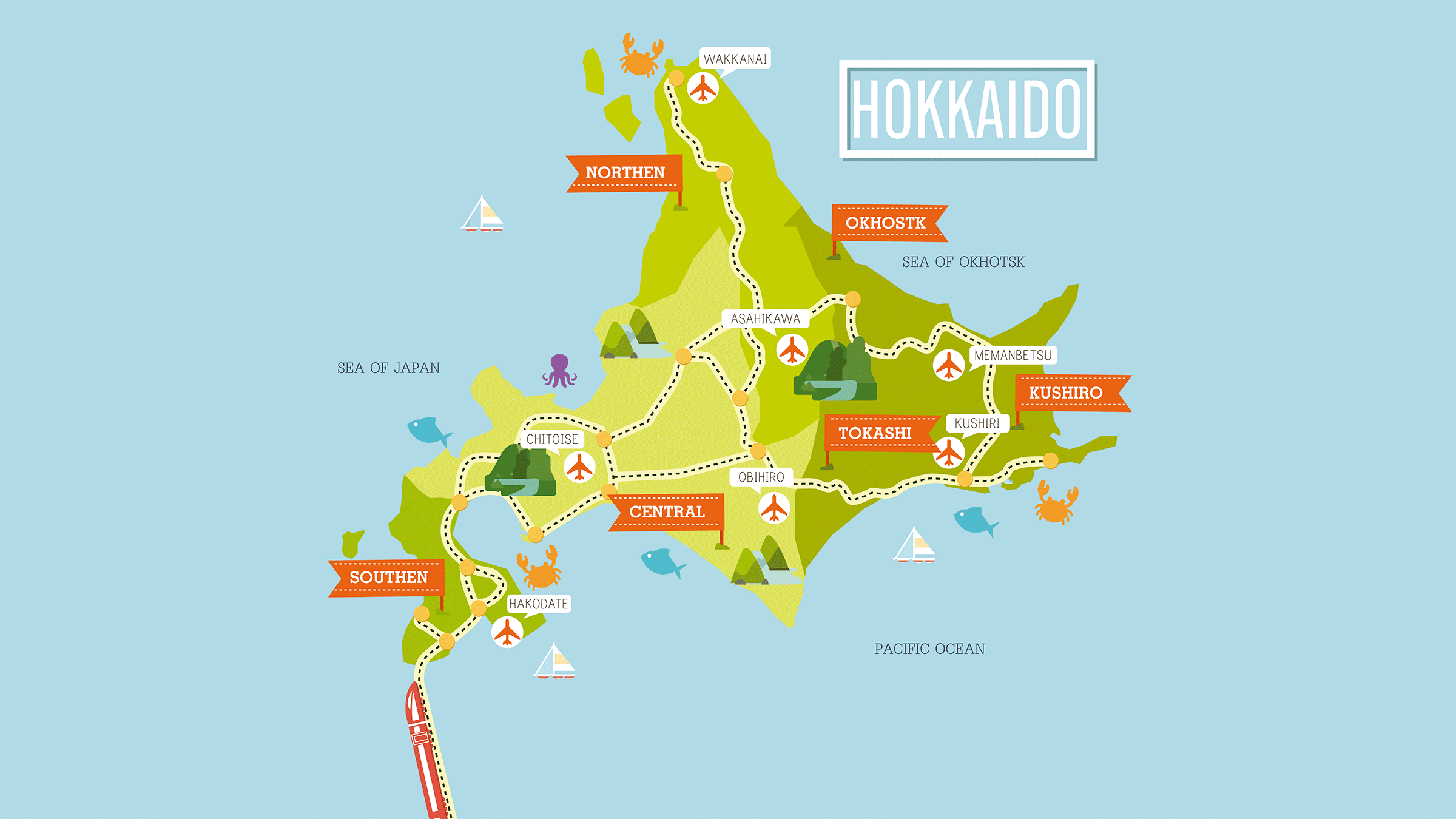
Hokkaido’s renewed integrated resort ambitions are beginning to attract tangible private-sector interest, with three overseas casino resort operators and 12 Japanese companies responding to questionnaires issued by the prefectural government.
The responses are an important early indicator as Hokkaido evaluates whether to enter Japan’s next round of IR licensing in 2027. While no investment commitment has been announced, the prefecture has now agreed to move forward with studying potential candidate locations.
One operator sees Hokkaido as a major opportunity
Hokkaido has not disclosed the identities of the companies that responded, but feedback from at least one international operator was particularly positive.
According to materials reviewed, one operator described Hokkaido as its “most important target area in Japan”, saying the prefecture could support a competitive IR proposition that would be difficult to replicate elsewhere.
Respondents highlighted Hokkaido’s natural and cultural attractions, transportation infrastructure and relatively untapped tourism market as key advantages. One operator also indicated that Japan’s existing MICE facility-size requirements would be workable without regulatory changes.
That matters because one of the major questions surrounding Japan’s next IR round is whether destinations outside major metropolitan areas can justify the investment and scale required under the current regulatory framework.
Tomakomai remains the location to watch
Hokkaido also surveyed all 179 municipalities, receiving responses from 172 as of 17 August. Tomakomai and Hakodate indicated interest in hosting an IR, although Hakodate officials have separately acknowledged that the city is unlikely to be ready for the upcoming licensing window because public consensus and a suitable site have not yet been secured.
That leaves Tomakomai as the clearest potential candidate.
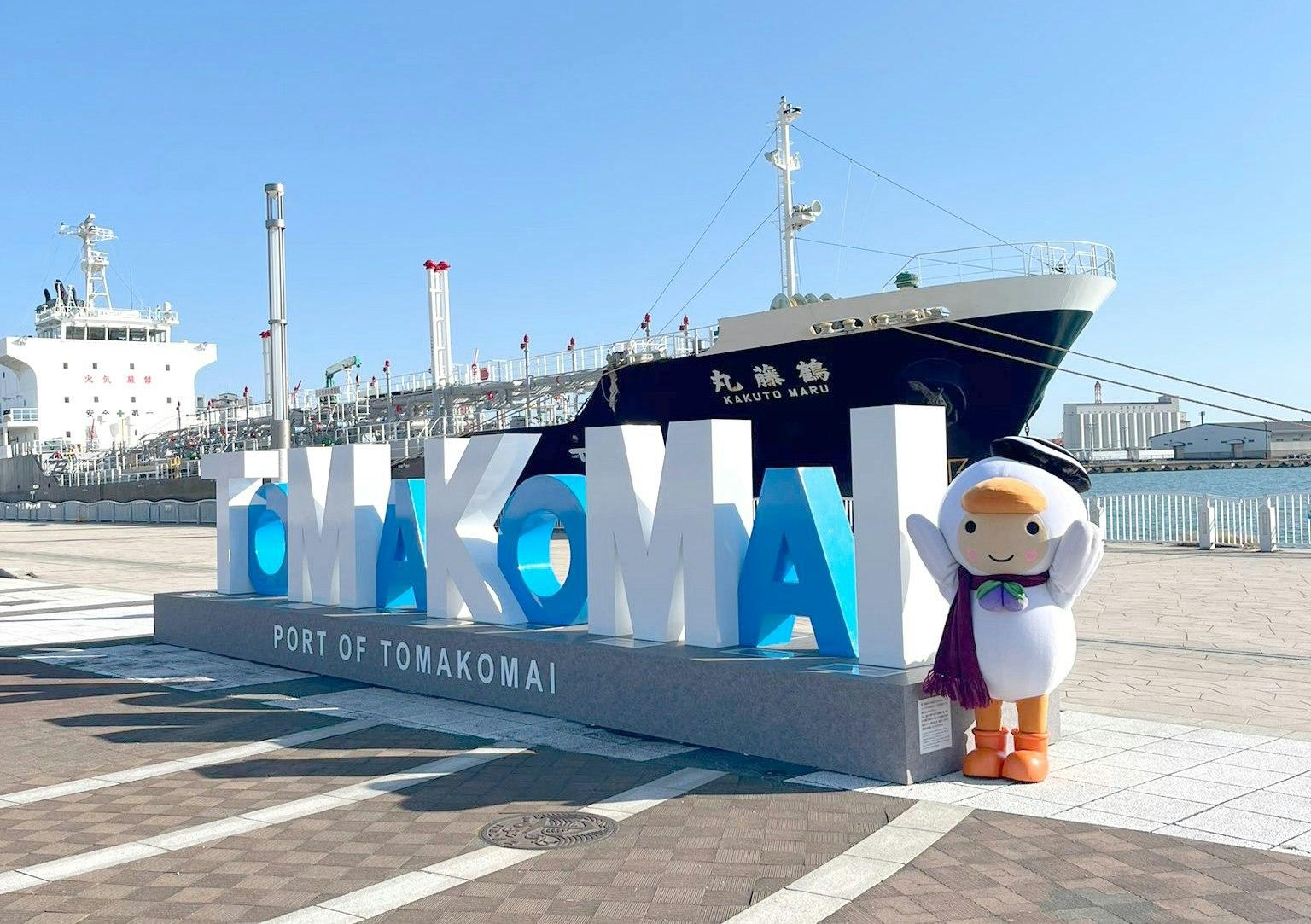
Tomakomai Mayor Suguru Kanazawa has been one of the strongest local advocates for restarting Hokkaido’s IR effort.
“We will not miss the opportunity,” Kanazawa said earlier this year, adding that the city intends to work together with the Hokkaido government as Japan prepares for its next licensing round.
Kanazawa has also argued that an IR could generate economic benefits extending beyond Tomakomai to Hokkaido as a whole.
Governor Suzuki wants a distinctly Hokkaido-style IR
Hokkaido Governor Naomichi Suzuki has taken a more measured approach, stressing that a regional IR should not simply copy the model being developed in Osaka.
Suzuki has asked Japan’s national government to consider how IR developments in regional areas might differ from those in major metropolitan markets. He has also questioned why Japan’s first licensing exercise ultimately produced only one approved project, MGM Osaka.
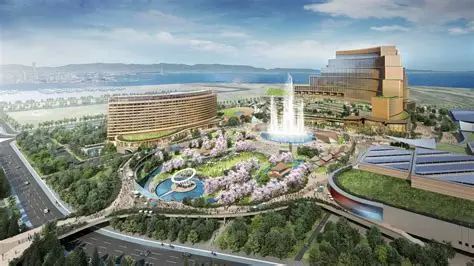
His administration has repeatedly referred to developing a “Hokkaido-Style IR Concept” that takes advantage of the island’s tourism, nature, culture and regional characteristics while also addressing concerns such as gambling-related harm and environmental protection.
From discussion to market testing
The latest questionnaire results represent a subtle but meaningful shift.
Hokkaido is no longer simply asking whether an IR is theoretically desirable. It is now testing whether operators, Japanese corporate partners and local governments are prepared to participate in an investable project.
That distinction is important. Japan’s IR framework requires cooperation between local government, casino operators and domestic businesses before a regional development plan can be submitted to national authorities.
The fact that three international operators and 12 Japanese firms have already engaged therefore provides Hokkaido with an initial commercial foundation from which to develop its concept.
The next critical question will be whether that interest survives once a location, investment scale, infrastructure requirements and financing structure become clearer.
What happens next?
Hokkaido plans to submit drafts of its updated IR policy and proposed concept to the prefectural assembly before finalising its Basic Stance on IR and Hokkaido-Style IR Concept in October 2026.
Japan’s next national application window is scheduled to run from 6 May to 5 November 2027.
For now, Hokkaido has not formally committed to submitting a bid. But private-sector participation in the questionnaire — particularly interest from existing international IR operators — makes the possibility considerably more concrete.
Insight
The most significant number in this announcement may not be the three casino operators.
It is the 12 domestic companies.
A successful Japanese IR is ultimately an ecosystem involving construction, transportation, hotels, entertainment, technology, food and beverage, retail, tourism and professional services alongside gaming.
If Hokkaido proceeds, the project could therefore create opportunities far beyond casino operations themselves, with demand potentially emerging for hospitality professionals, technology specialists, compliance teams, marketers, MICE professionals and operational leadership well before the resort eventually opens.
The next stage will reveal whether Hokkaido can turn growing interest into a commercially credible consortium — and whether Tomakomai can establish itself as Japan’s next serious IR destination.