
 Content Writer: Janice Chew • Wednesday, 26/08/2026 - 19:29:09 - PM
South Korea’s huge Saemangeum development project could eventually add another major integrated resort to the country’s gaming and tourism landscape, with plans being discussed for a 3,600-room resort incorporating shopping, MICE facilities and a foreigner-only casino.
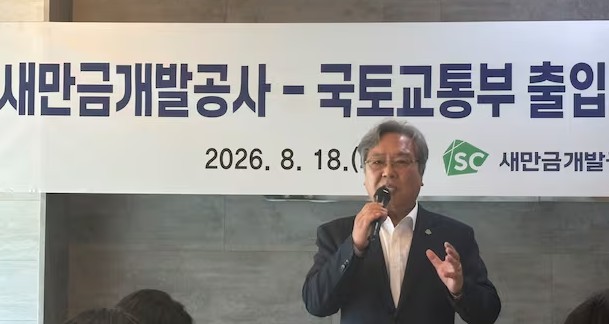
Saemangeum Development Corporation (SDCO) President Na Gyeong-gyun confirmed this week that discussions are underway with foreign investors as well as a major domestic company interested in developing the resort. The companies involved have not yet been named.
A casino would support a much bigger tourism project
Speaking at a press event, Na said Saemangeum “must have an anchor facility to spur tourism demand and investment.”
But he stressed that gaming would be only one component of the development.
“The goal is not a casino itself but to build an integrated resort.”
SDCO is discussing a resort containing approximately 3,600 hotel rooms alongside retail, MICE and entertainment facilities, while foreign companies have also expressed interest in participating in a casino and IR development.
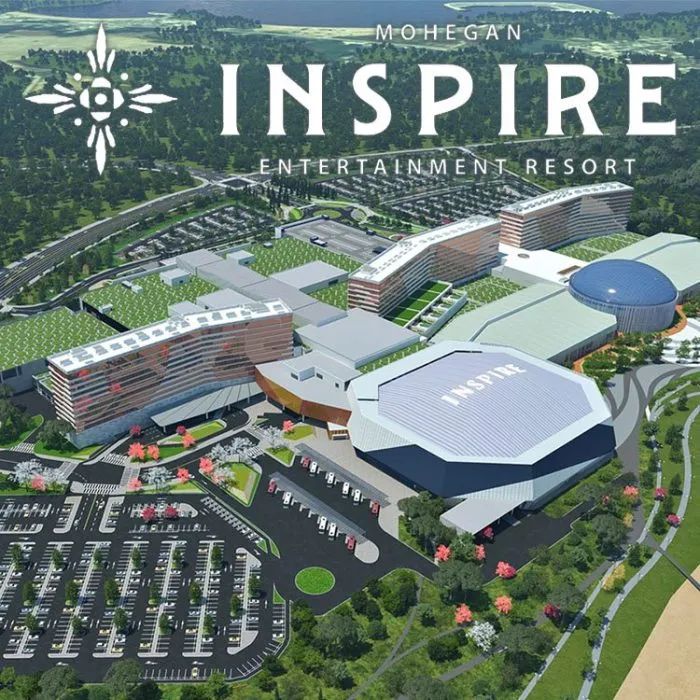
The proposed scale would make it a significant addition to South Korea’s resort market. For comparison, the current phase of Mohegan INSPIRE Entertainment Resort in Incheon comprises 1,275 hotel rooms across three towers, together with its arena, MICE, entertainment and gaming facilities.
Why Saemangeum needs an anchor attraction
The IR proposal sits within something considerably larger.
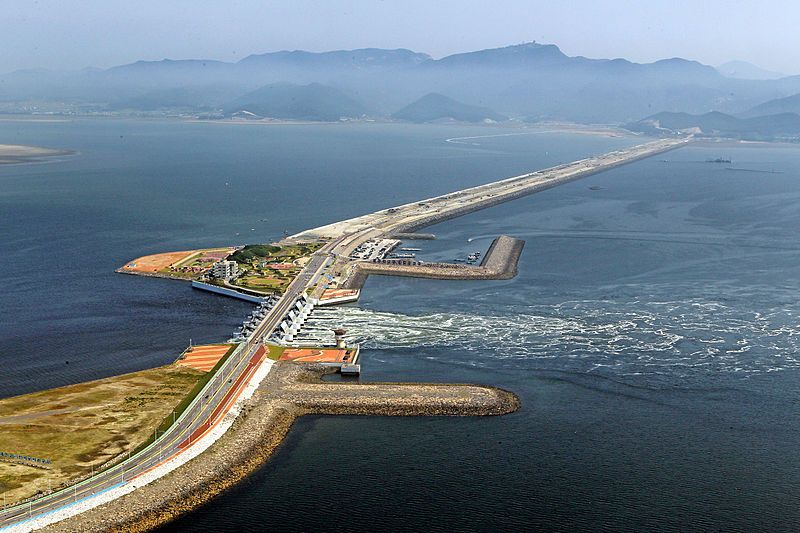
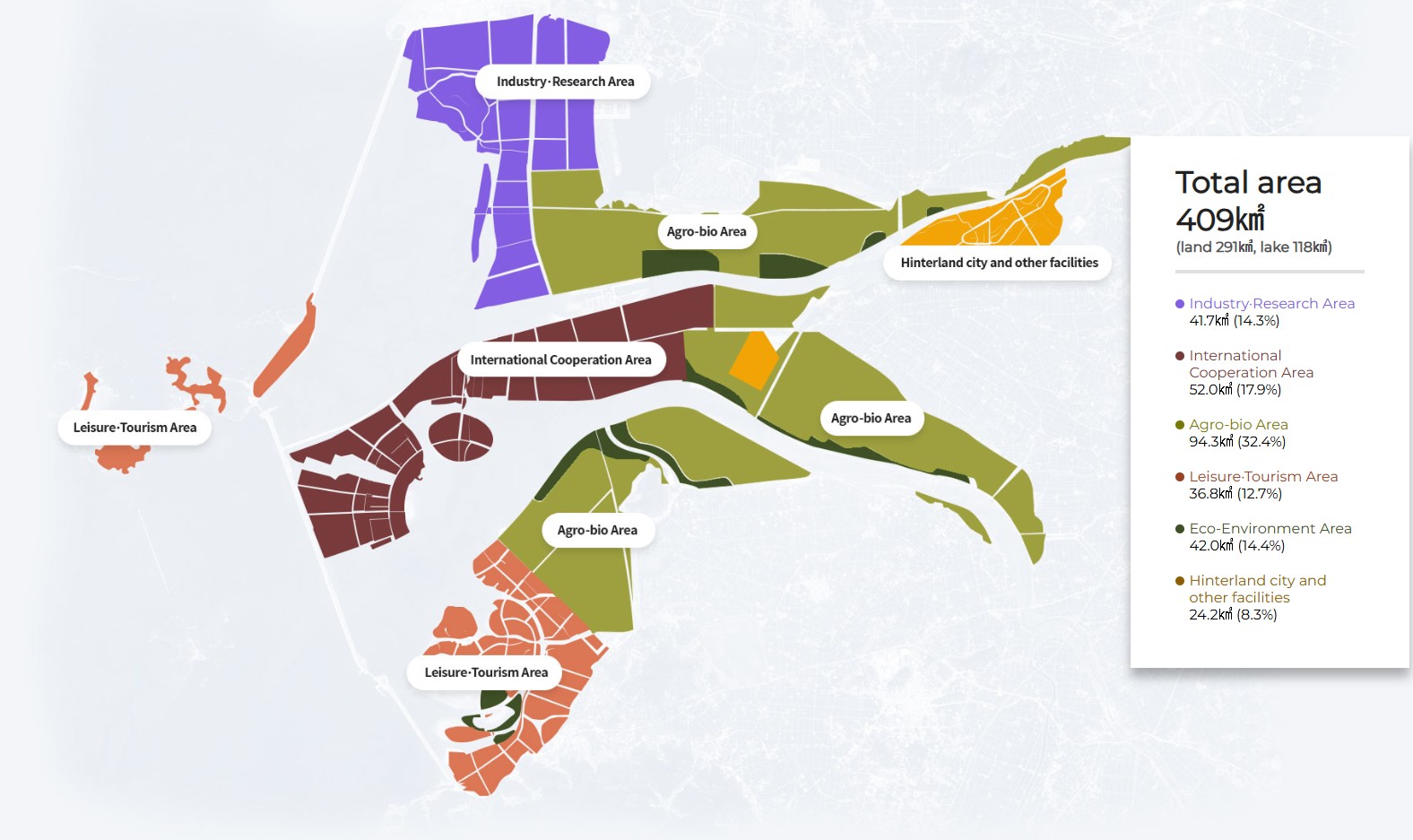
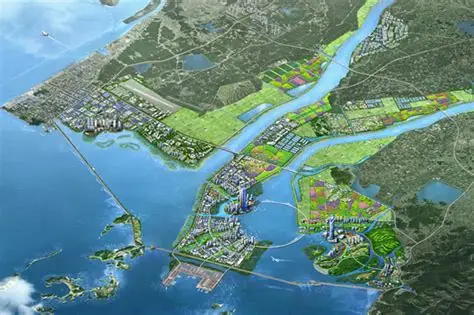
Saemangeum is a 409-square-kilometre national development project spanning Gunsan, Gimje and Buan on South Korea’s west coast. Its master plan includes 291 sq km of reclaimed land and a 118 sq km lake created behind the 33.9-kilometre Saemangeum seawall.
The official development budget is approximately KRW22.2 trillion, with KRW10.9 trillion from the central government, KRW0.9 trillion from local government and another KRW10.3 trillion expected from private investment.
Tourism is already built into that strategy. Around 36.8 sq km has been allocated to leisure and tourism, while government plans specifically call for large-scale resorts, accommodation, shopping and cultural attractions capable of drawing visitors to the region.
This helps explain why SDCO is looking for a major anchor project rather than simply adding another hotel development.
Could Koreans eventually enter the casino?
This is where the proposal becomes particularly interesting.
The initial concept centres on a foreigner-only casino, consistent with the model used by most casino resorts in South Korea. However, Na acknowledged that allowing Korean residents to enter could potentially be considered in the future.
He cautioned that doing so would require national consensus, considerable time and changes to the existing legal framework.
Under the existing Saemangeum framework, foreign investors putting at least US$500 million into tourism-related projects may potentially qualify for a foreigner-only casino licence, subject to approval by South Korea’s Minister of Culture, Sports and Tourism.
Any move beyond the foreigner-only model would therefore represent a substantially bigger policy discussion than the resort proposal itself.
Tourism investment has been part of the plan for years
The latest IR discussions are not emerging in isolation.
Saemangeum authorities have been courting hotel, resort and tourism investors for years. In 2022, then-Saemangeum Development and Investment Agency Administrator Kim Gyu-Hyeon highlighted the area's tourism resources and the importance of attracting private resort investment as supporting infrastructure was developed.
The government has also pursued marine leisure resorts, accommodation, cultural attractions and waterfront developments as part of a longer-term effort to transform Saemangeum into an international tourism destination.
The difference now is the potential scale and commercial gravity of a 3,600-room integrated resort.
Our View: The casino is the catalyst, not the whole story
The most interesting aspect of the proposal is SDCO's positioning of gaming.
Rather than presenting a casino as the destination itself, Saemangeum appears to be considering it as part of the economic engine needed to support a much larger tourism ecosystem.
That approach mirrors the broader Asian IR model: gaming helps support hotels, restaurants, entertainment, conventions, retail and attractions that collectively increase visitor length of stay and spending.
For Saemangeum, however, location and connectivity will be just as important as resort size. Unlike established tourism centres such as Seoul, Incheon or Jeju, the project must create enough attractions to persuade international visitors to make Saemangeum a destination rather than simply pass through it. That makes the proposed 3,600-room scale logical only if it is accompanied by strong entertainment, MICE and tourism demand generators. This is an inference based on the project's location and its stated anchor-facility strategy.
There is also a major workforce dimension.
A project of this scale would potentially require expertise across hotel operations, gaming, compliance, surveillance, IT, finance, marketing, food and beverage, MICE, entertainment and resort management. The employment impact would extend well beyond the casino floor if the full integrated-resort concept progresses.
For now, there is no disclosed operator, investment amount or construction timetable for the proposed resort.
But the fact that SDCO says both foreign investors and a major Korean corporation are already discussing the opportunity suggests Saemangeum's IR concept has moved beyond a purely theoretical idea.
The next milestone will be identifying the investors — and determining whether South Korea is prepared to use another large-scale integrated resort as an anchor for regional tourism development.