 Content Writer: Janice Chew • Thursday, 26/02/2026 - 11:07:42 - AM
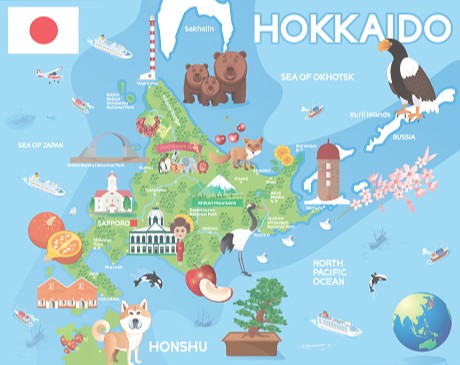
Japan’s northern prefecture of Hokkaido has set aside approximately US$65,000 in its latest budget to conduct fresh research into the feasibility of developing a casino-integrated resort (IR), according to multiple regional media sources.
While modest in size, the allocation signals that Hokkaido is not closing the door on potential participation in Japan’s future IR expansion rounds.
A Careful Re-Entry into the IR Conversation
Hokkaido was previously considered one of the most promising candidates during Japan’s first IR bidding phase. However, the prefecture ultimately withdrew from the race in 2019 due to public concerns and shifting political priorities.
With Japan currently progressing with its first approved IR project in Osaka, other prefectures are closely monitoring regulatory developments, construction milestones, and financial frameworks.
The new study is expected to examine:
-
Economic impact projections
-
Tourism diversification potential
-
Infrastructure readiness
-
Environmental and community considerations
-
Alignment with national IR regulations
This measured approach suggests that Hokkaido is assessing long-term strategic positioning rather than rushing into political commitments.
Why Hokkaido Still Makes Strategic Sense
From an industry and investment standpoint, Hokkaido remains one of Japan’s strongest theoretical IR candidates:
1️⃣ Tourism Appeal
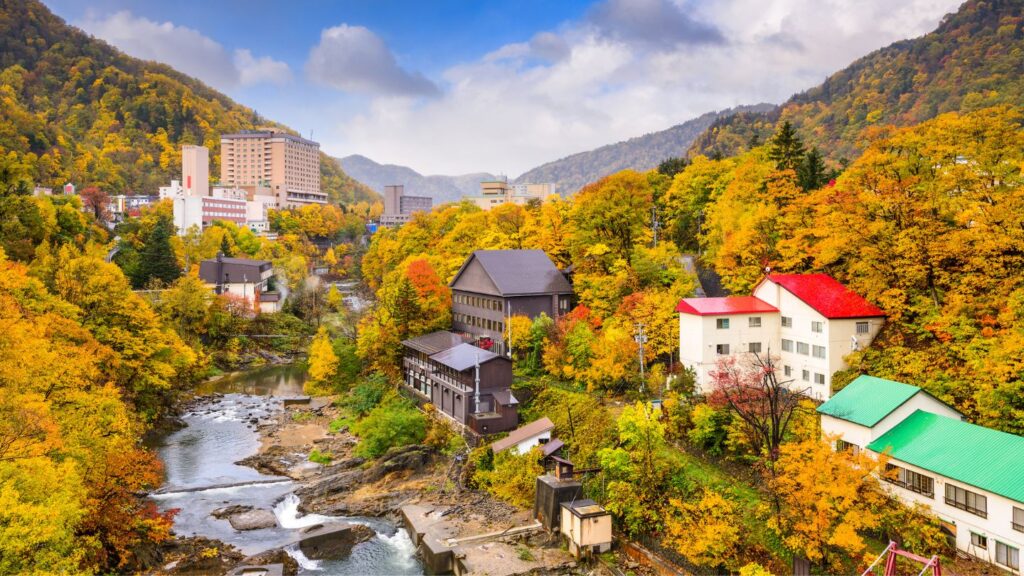
Hokkaido is globally recognized for:
-
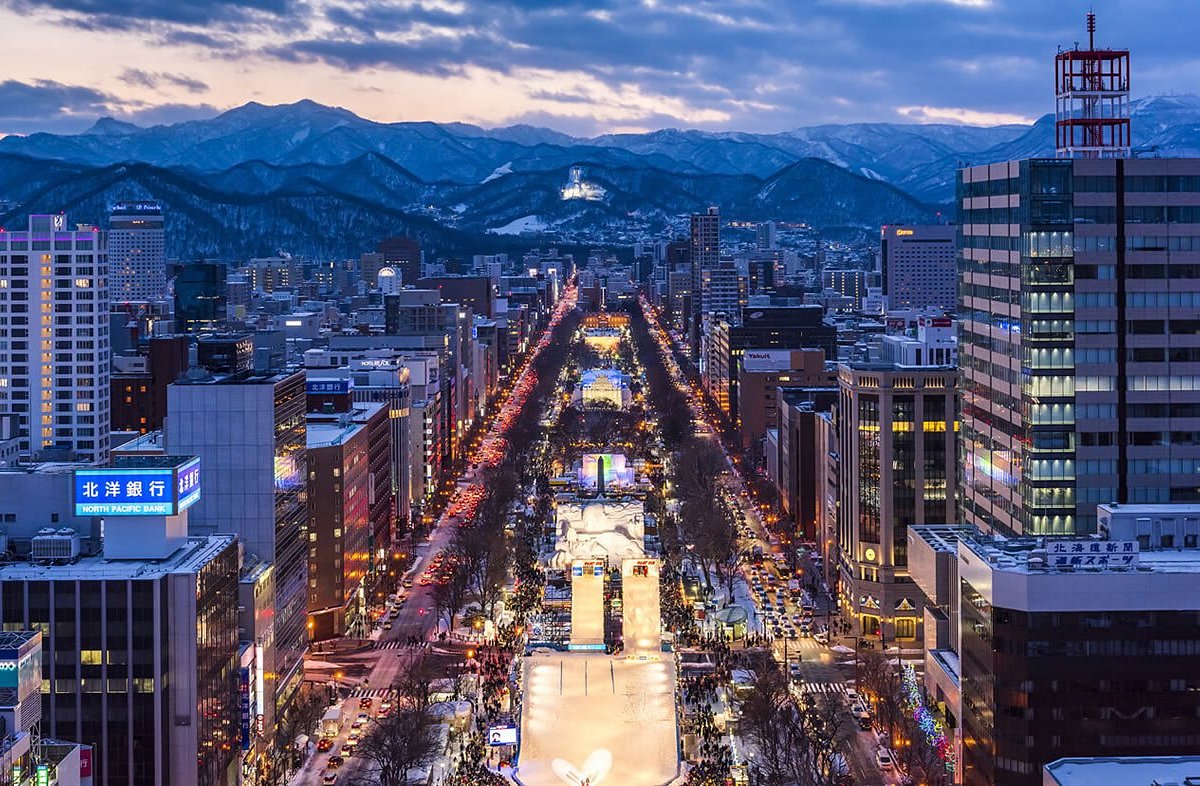
Winter sports and ski tourism (Niseko brand strength)
-
Nature-based tourism and national parks
-
Strong appeal among Asian regional travelers
An IR could complement—not replace—its existing tourism ecosystem.
2️⃣ Land Availability
Compared to dense metropolitan areas, Hokkaido offers:
-
Larger land parcels
-
Lower acquisition complexity
-
Potential for integrated master-planned developments
3️⃣ Gateway to Northeast Asia
Strategically positioned for:
-
South Korea
-
China
-
Taiwan
-
Southeast Asia
This could support a destination-style resort model rather than a purely domestic gaming play.
The Bigger Picture: Japan’s IR Expansion
Japan’s IR framework allows for up to three initial licenses, but only Osaka has been formally approved to date. If Osaka demonstrates regulatory success, financial viability, and social safeguards, the central government could open additional bidding rounds.
Industry observers note that second-round candidates may include regional destinations with strong tourism fundamentals and manageable population density—criteria that fit Hokkaido well.
However, challenges remain:
-
Public sentiment toward gaming expansion
-
Social responsibility safeguards
-
Financing structures in a higher interest-rate environment
-
Construction cost inflation
Market Implications for Asia’s IR Landscape
From a broader Asia-Pacific perspective, renewed discussion in Hokkaido highlights:
-
Japan remains a long-term growth market for IR operators
-
Regional diversification continues beyond Macau and Singapore
-
Governments are prioritizing integrated tourism development rather than standalone casinos
If Hokkaido proceeds, it would likely attract interest from established international operators with experience in large-scale integrated resorts.
Strategic Takeaway
The US$65,000 research allocation is not a green light—but it is a strategic signal.
Hokkaido is positioning itself to remain relevant in Japan’s evolving IR roadmap. For investors and operators watching Japan, this represents:
-
Optionality
-
Policy monitoring opportunity
-
Early-stage positioning
In Asia’s competitive IR landscape, timing and regulatory clarity are everything. Hokkaido appears to be choosing patience over haste—an approach that may prove prudent in the long term.