
 Content Writer: Janice Chew • Thursday, 26/02/2026 - 11:24:25 - AM
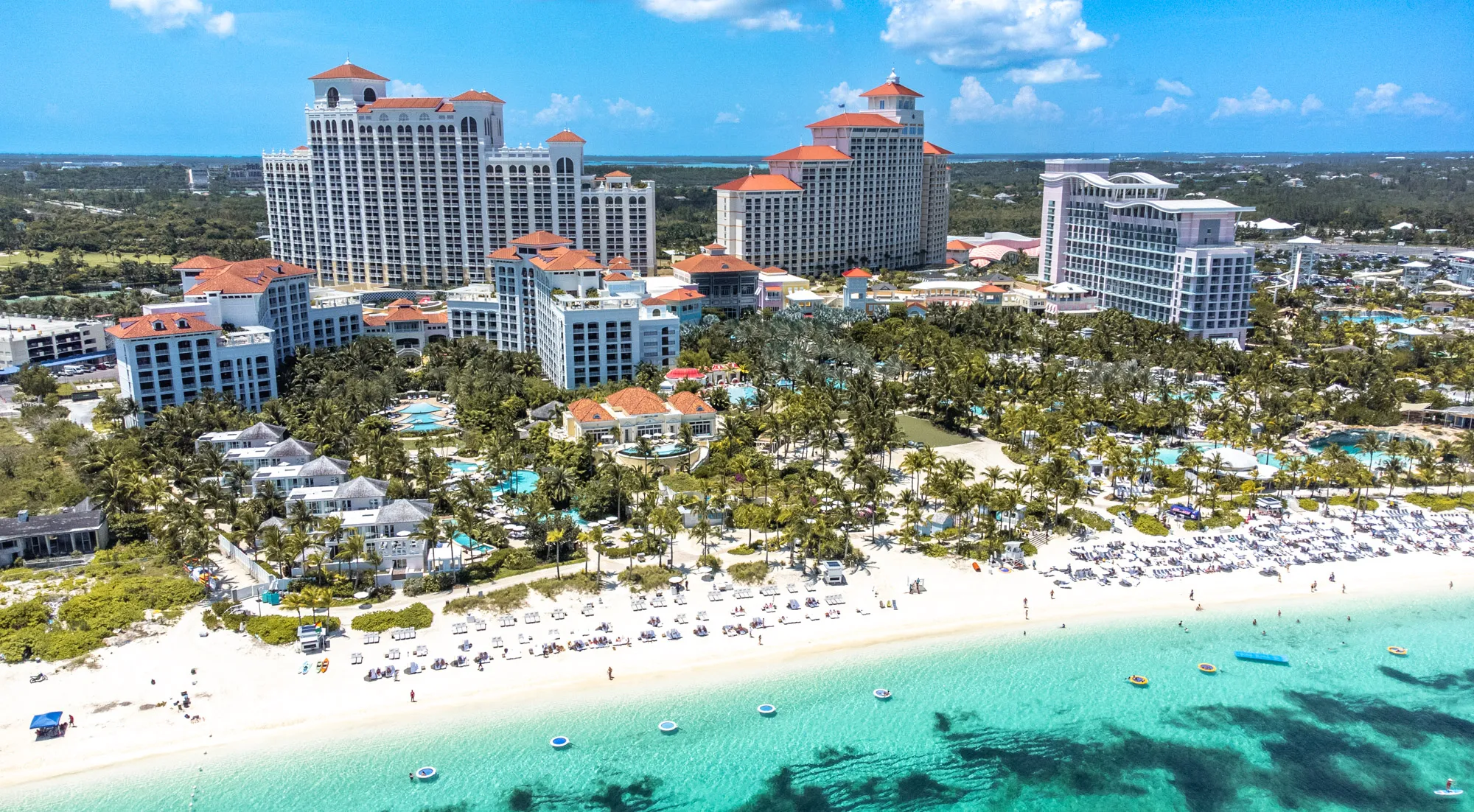
China Construction America (CCA), the US subsidiary of China State Construction Engineering Corporation, has officially emerged from Chapter 11 bankruptcy protection, bringing to a close the long-running legal dispute tied to the development of the Baha Mar mega-resort in The Bahamas.
The restructuring marks the final chapter of one of the most complex cross-border disputes ever associated with a large-scale integrated resort (IR) development.
A Decade-Long Saga
The Baha Mar crisis began in 2015 when the US$3.5 billion project filed for bankruptcy amid disputes between the developer and CCA over construction delays, cost overruns and contractual disagreements. Financing pressures intensified as the resort neared completion.
Although the property eventually reopened under new ownership and has since stabilized operations, the legal ramifications for CCA continued for years — until now.
CCA has implemented a court-approved restructuring plan, resolving all outstanding claims connected to the Baha Mar dispute.
Leadership Statement
Having now emerged from Chapter 11, CCA’s Chairman and CEO, Yan Wei, said:
“Today marks the final milestone in the resolution of all legal proceedings relating to the Baha Mar dispute. With these matters fully behind us, we and our affiliates will focus our undivided attention on executing our strategy to deliver high-quality and distinguished construction projects to our customers across the hospitality, healthcare, corporate, residential, government and other sectors. We are grateful to our team and partners for their continued support and look forward to achieving future successes together.”
The remarks signal a decisive shift from legal resolution to forward growth.
The Ownership Dimension: Why It Matters
The resolution cannot be fully understood without examining who ultimately stepped in to rescue Baha Mar.
Hong Kong conglomerate Chow Tai Fook Enterprises, controlled by the Cheng family, was later revealed as the buyer of the distressed asset at an undisclosed price — with market speculation at the time suggesting a significant discount.
This is strategically important for several reasons:
-
The original financing had strong Chinese state-linked involvement.
-
The main contractor (CCA) is tied to a major Chinese SOE.
-
The eventual owner had longstanding ties within China’s political and financial ecosystem.
The Cheng family’s gaming exposure is also notable. Beyond jewelry retail, Chow Tai Fook Enterprises holds interests in:
-
The Star Entertainment Group (Australia)
-
Hoiana (Vietnam)
-
Historical links to Macau concessionaire SJM Holdings, via chairman Henry Cheng’s 10% stake in STDM
This positions the Cheng family as a long-standing participant within the Asia-Pacific IR ecosystem.
In effect, Baha Mar’s survival was underpinned by established Asian capital with deep industry familiarity — not opportunistic investment alone.
Broader Industry Implications
The Baha Mar episode remains highly relevant to global IR development:
1️⃣ Mega-Project Risk
Integrated resorts involve complex financing structures, international contractors and layered stakeholder agreements. Delays can trigger cascading legal exposure.
2️⃣ Cross-Border Legal Complexity
The case involved Chinese state-linked entities, US bankruptcy courts and a Caribbean jurisdiction — illustrating how globalized IR development has become.
3️⃣ Strategic Capital Patience
Distressed IR assets may ultimately recover when long-term strategic investors step in with patient capital and operational discipline.
Strategic Takeaway
CCA’s emergence from Chapter 11 formally closes the legal dispute surrounding Baha Mar’s construction. But the broader story is one of global capital flows, cross-border legal systems and strategic repositioning.
Baha Mar evolved from a distressed mega-resort into a stabilized tourism anchor — supported by Hong Kong-based capital deeply embedded in the regional gaming landscape.
For IR investors and policymakers across Asia, the message is clear:
Execution discipline, capital strength and strategic ownership alignment remain decisive in mega-resort development.