
 Content Writer: Janice Chew • Thursday, 26/01/2026 - 17:16:53 - PM
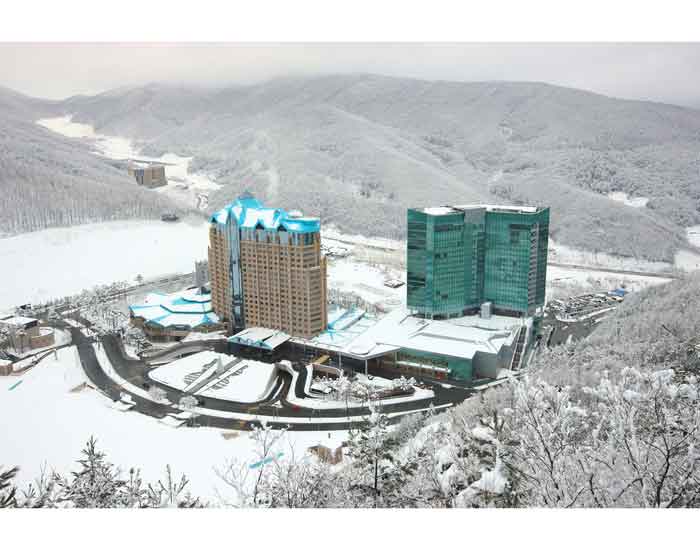
South Korea’s sole casino open to locals, Kangwon Land, has reported a sharp 41% year-on-year drop in net profit for 4Q25, even as gross gaming revenue (GGR) held broadly steady—highlighting how rising costs and non-operational factors are weighing on earnings across the regional gaming sector.
Revenue Stable, Margins Under Pressure
According to multiple industry reports, Kangwon Land’s casino GGR remained resilient in the final quarter, supported by consistent visitation and steady table and slot play. However, profitability was hit by higher operating expenses, including labor-related costs, marketing, and maintenance tied to its broader resort operations at High1.
Analysts also point to weaker non-operating income compared with the prior-year period as a key drag. Items such as investment returns and one-off gains—present in earlier quarters—did not repeat, compressing bottom-line performance despite stable top-line gaming results.
Cost Structure a Growing Challenge
The results underscore a recurring theme in Asia’s casino markets: cost inflation is outpacing revenue growth. In Kangwon Land’s case, its unique regulatory position—being the only casino accessible to South Korean nationals—provides revenue stability, but also comes with structural constraints on pricing, expansion, and product innovation.
Industry commentary suggests that staffing costs, in particular, are becoming harder to offset without either higher spend per visitor or deeper monetisation of non-gaming offerings such as hotels, leisure, and entertainment.
Domestic Demand Holds, But Growth Is Limited
While visitation remains steady, Kangwon Land’s growth ceiling is inherently capped by its domestic-only customer base. Unlike foreigner-only casinos in Seoul or Incheon that benefit from inbound tourism rebounds, Kangwon Land is more exposed to domestic consumer sentiment and discretionary spending trends.
Recent coverage of South Korea’s gaming sector indicates that operators are increasingly focused on yield management and efficiency, rather than aggressive volume growth, as macroeconomic uncertainty persists into 2026.