
 Content Writer: Janice Chew • Thursday, 26/08/2026 - 23:50:43 - PM
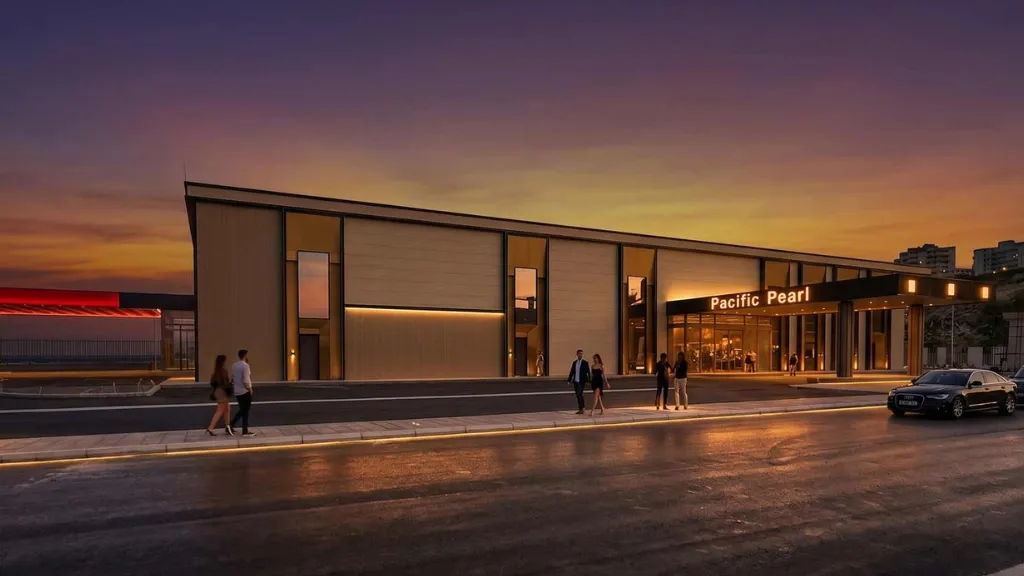
Papua New Guinea could be months away from opening its first licensed casino, with the Pacific Pearl in Port Moresby targeting a late-2026 launch subject to final regulatory approvals.
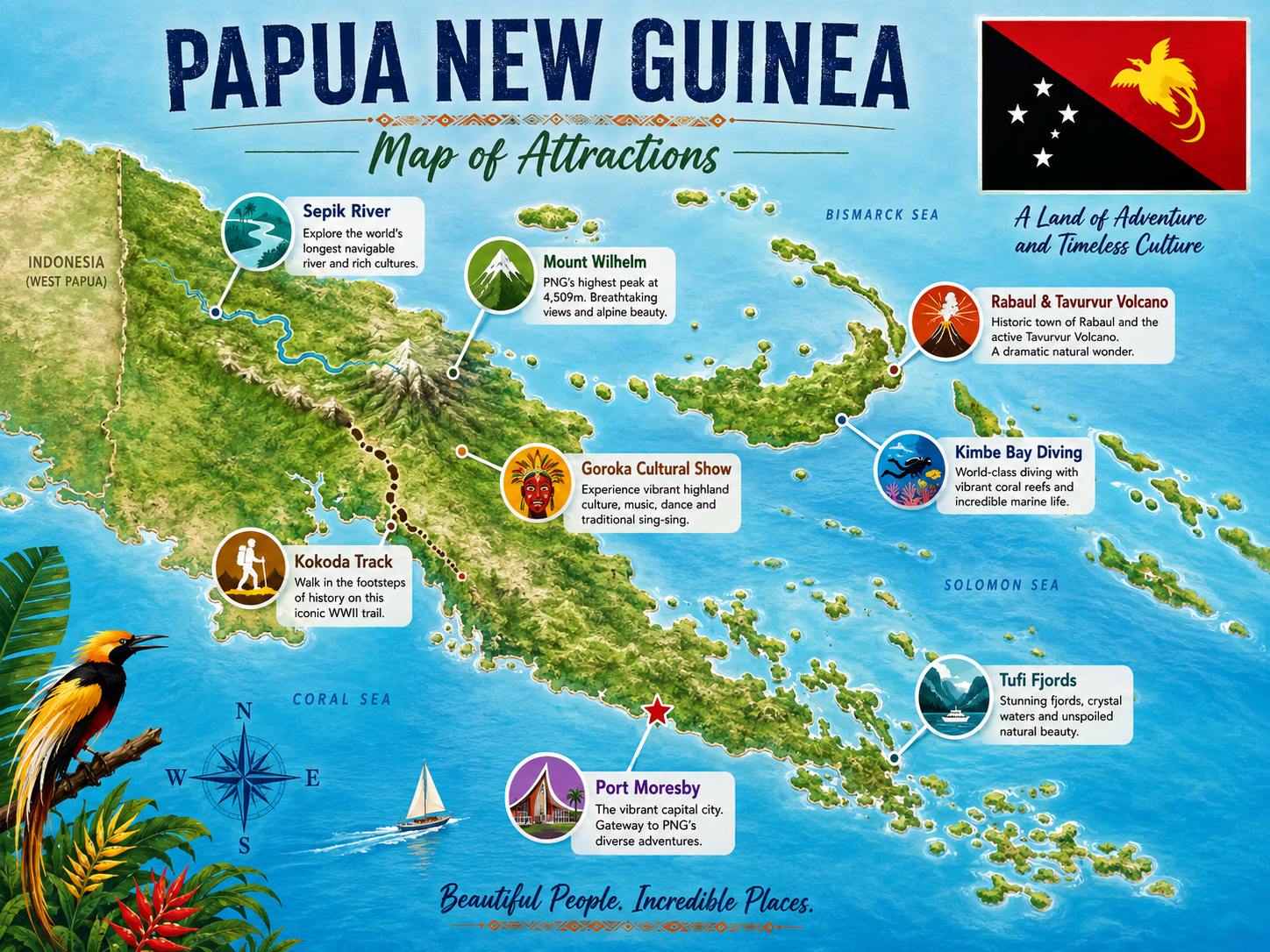
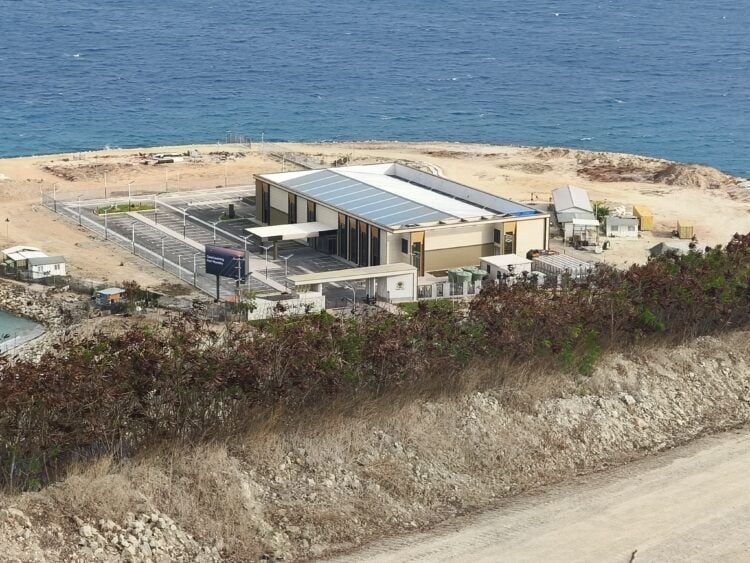
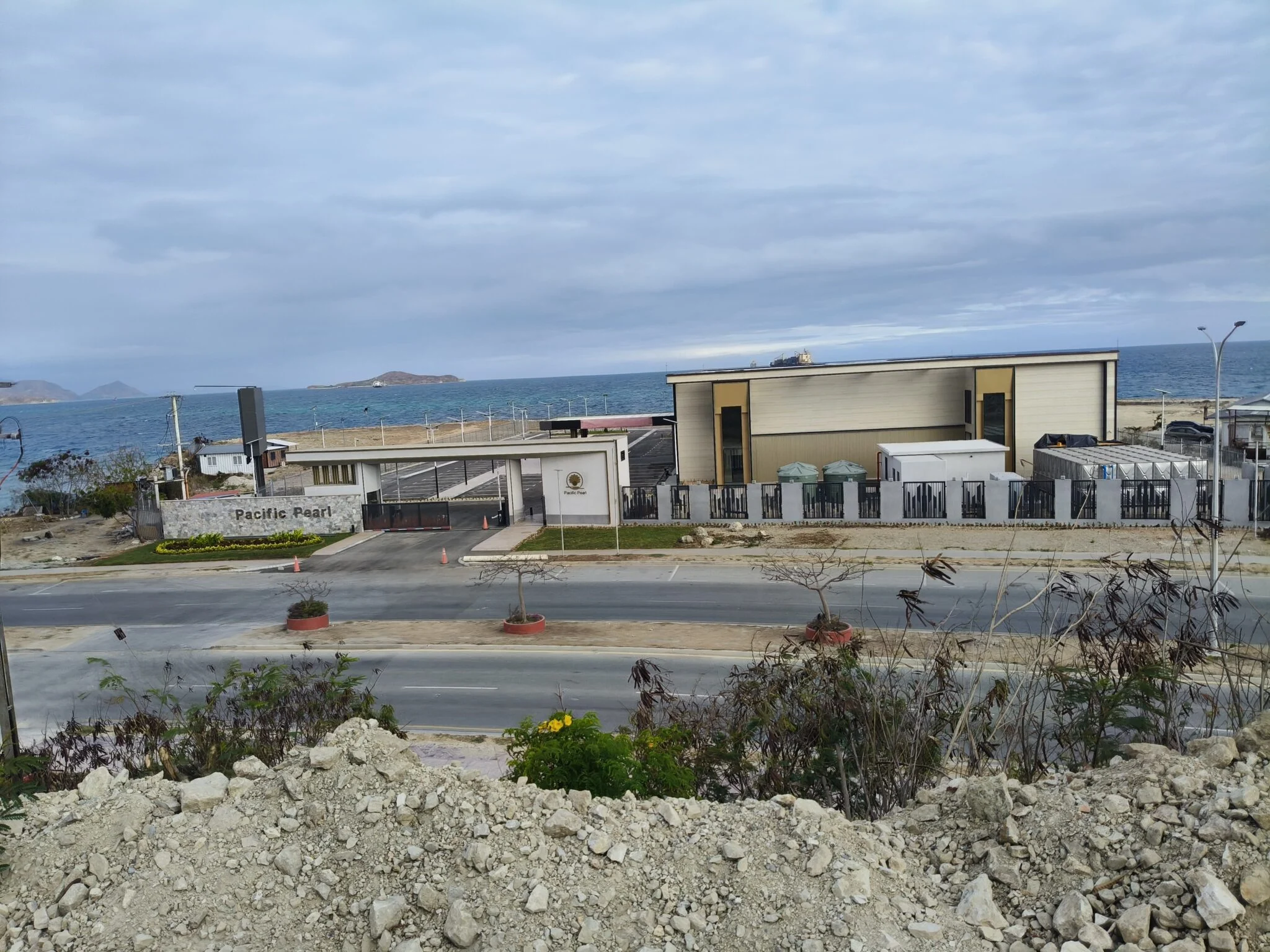
Located on the waterfront within the Paga Hill Special Economic Zone, Pacific Pearl has entered its pre-opening stage and has begun recruiting staff as preparations accelerate. The initial casino is expected to feature around 100 gaming machines, 20 gaming tables, VIP gaming areas and a restaurant.
Fortuna Investments is a co-investor and is involved in managing the casino. The group has gaming experience across emerging Asian markets including Nepal, Vietnam, the Philippines and the Northern Mariana Islands.
Tim Nguyen: Regulatory Approvals Remain the Final Step
According to report, Fortuna Investments Director Tim Nguyen confirmed that preparations were at an advanced stage, while stressing that opening remains dependent on regulatory approval.
“Our target is to open later this year.”
Nguyen said the group is working with its local partners and authorities through the remaining licensing process. The initial gaming mix may also be adjusted after opening based on customer demand.
That distinction is important: Pacific Pearl is preparing to open, but it has not yet received all approvals required to begin casino operations.
Tim Shepherd: Three Potential Customer Markets
Fortuna Senior Partner Tim Shepherd sees the business drawing demand from three distinct segments: Papua New Guinean customers who qualify to participate, expatriates from Australia and New Zealand, and Port Moresby’s Chinese expatriate community.
The first phase is deliberately modest. However, Shepherd has already discussed a potential second phase that could be significantly larger, with the longer-term ambition of building a broader entertainment and tourism destination rather than relying solely on gaming.
That could ultimately prove more significant than the opening of the casino itself.
PNG Wants Gaming to Support Tourism — With Restrictions
Papua New Guinea established a formal gaming framework under its Gaming Control Act 2007, but the Paga Hill project represents a major step towards developing a regulated casino tourism sector.
Prime Minister James Marape previously said the casino should primarily cater to international visitors, expatriates and higher-income Papua New Guineans rather than the wider local population.
The government said Papua New Guineans would need an annual disposable income above PGK200,000, together with identification and membership requirements, to participate. Officials have compared aspects of the planned controls with Singapore's approach to protecting local residents while using integrated resorts to support tourism.
The Paga Hill development has also stated that part of gaming revenue would flow back through the National Gaming Control Board and community programmes.
Insights: Small Casino, Big Signal
Pacific Pearl's roughly 100 machines and 20 tables make it small compared with the integrated resorts of Macau, Singapore or Manila.
But market size is not the most important story yet.
The bigger signal is that another Asia-Pacific jurisdiction is attempting to formalise casino gaming as part of a wider tourism and economic development strategy.
If Pacific Pearl proves commercially viable and regulatory oversight works effectively, it could encourage further investment in Port Moresby and create opportunities for gaming operators, equipment suppliers, hospitality companies and experienced professionals from established markets across Asia-Pacific.
For gaming professionals, emerging markets often present a different type of opportunity. Mature markets compete for highly specialised talent; new markets need people who can build operations, train local teams, establish standards and transfer knowledge.
That makes Papua New Guinea a market worth watching.