 Content Writer: Janice Chew • Friday, 26/06/2026 - 21:50:56 - PM
Okada Manila’s decision to step up its focus on Japanese visitors should not be seen as a simple tourism campaign. It is a targeted market-positioning move.
The Manila integrated resort is strengthening services for Japanese outbound travellers, including language support, personalised guest services, culturally aligned hospitality, and dedicated premium gaming experiences. This comes at a time when competition in Entertainment City remains intense, VIP gaming behaviour has changed, and customer acquisition costs are rising.
In other words, Okada Manila is not just trying to attract more tourists. It is trying to attract the right segment of tourists.
That distinction matters.
Why the Japanese Market Matters
Japan is one of the Philippines’ most valuable visitor source markets. It is not only about arrival volume, but also about travel behaviour, service expectations, spending potential, brand trust, and repeat-visit opportunity.
Japanese travellers are generally known for valuing service quality, cleanliness, safety, convenience, clear communication, and reliable hospitality standards. For an integrated resort, this creates both an opportunity and a challenge.
The opportunity is that a well-served Japanese guest can become highly loyal. The challenge is that the experience must be consistent from the first digital touchpoint to the final checkout.
This means Okada Manila’s Japanese-market strategy cannot stop at the casino floor. It must cover the full journey:
| Guest Journey Stage | What Japanese Visitors May Expect |
|---|---|
| Search and discovery | Japanese-language content, clear travel information, strong reputation signals |
| Booking | Simple room packages, transparent pricing, easy payment options |
| Arrival | Airport transfer clarity, language support, fast check-in |
| Stay experience | Cleanliness, service discipline, Japanese dining options, comfort |
| Gaming | Privacy, premium service, trusted environment, table and machine variety |
| Entertainment | Cultural events, dining experiences, shows, wellness, shopping |
| Retention | Personalised offers, loyalty benefits, email or app-based re-engagement |
This is why the strategy is interesting. It is not only about nationality-based marketing. It is about designing a complete experience around a specific customer profile.
Ariake: Premium Segmentation Done Properly
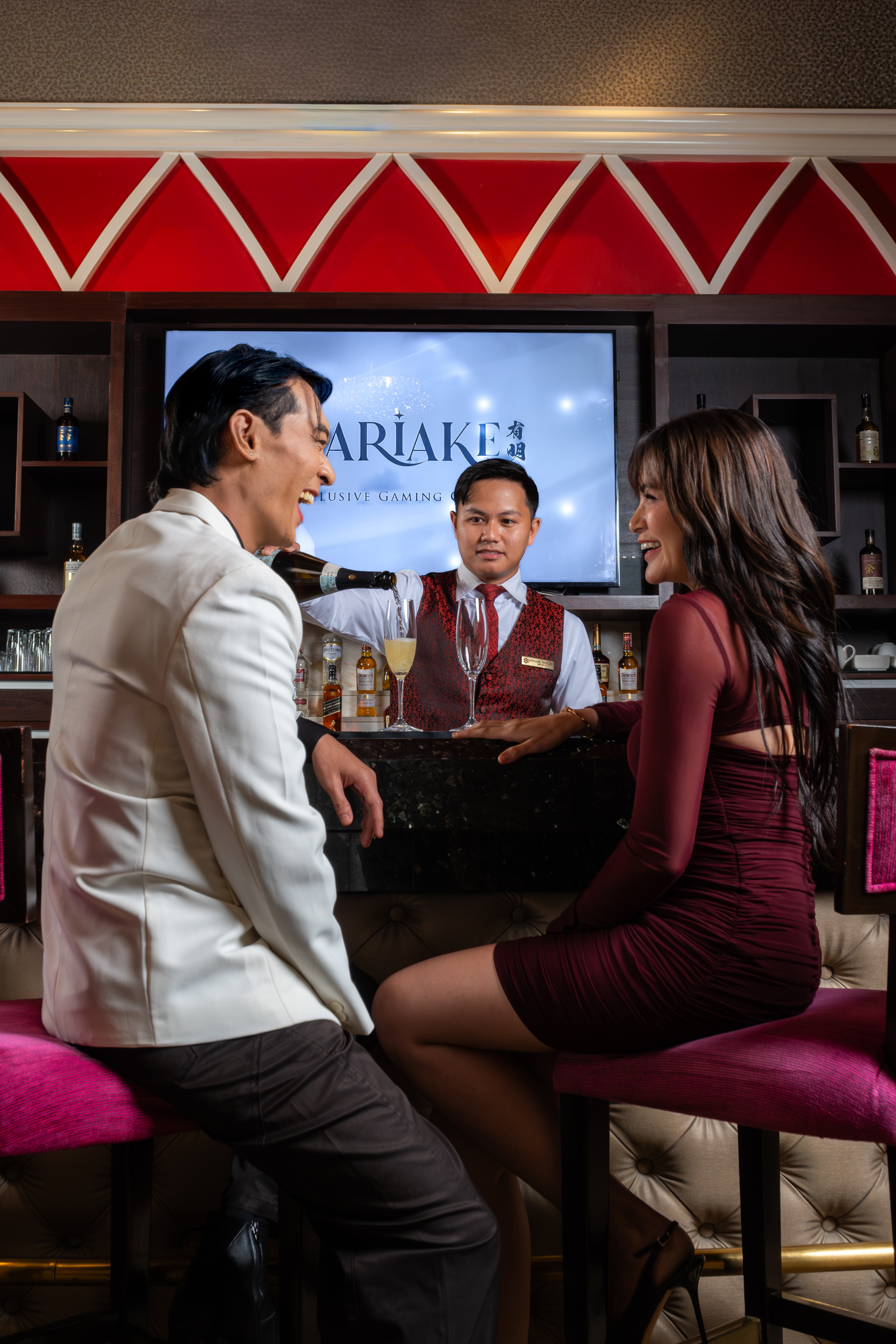
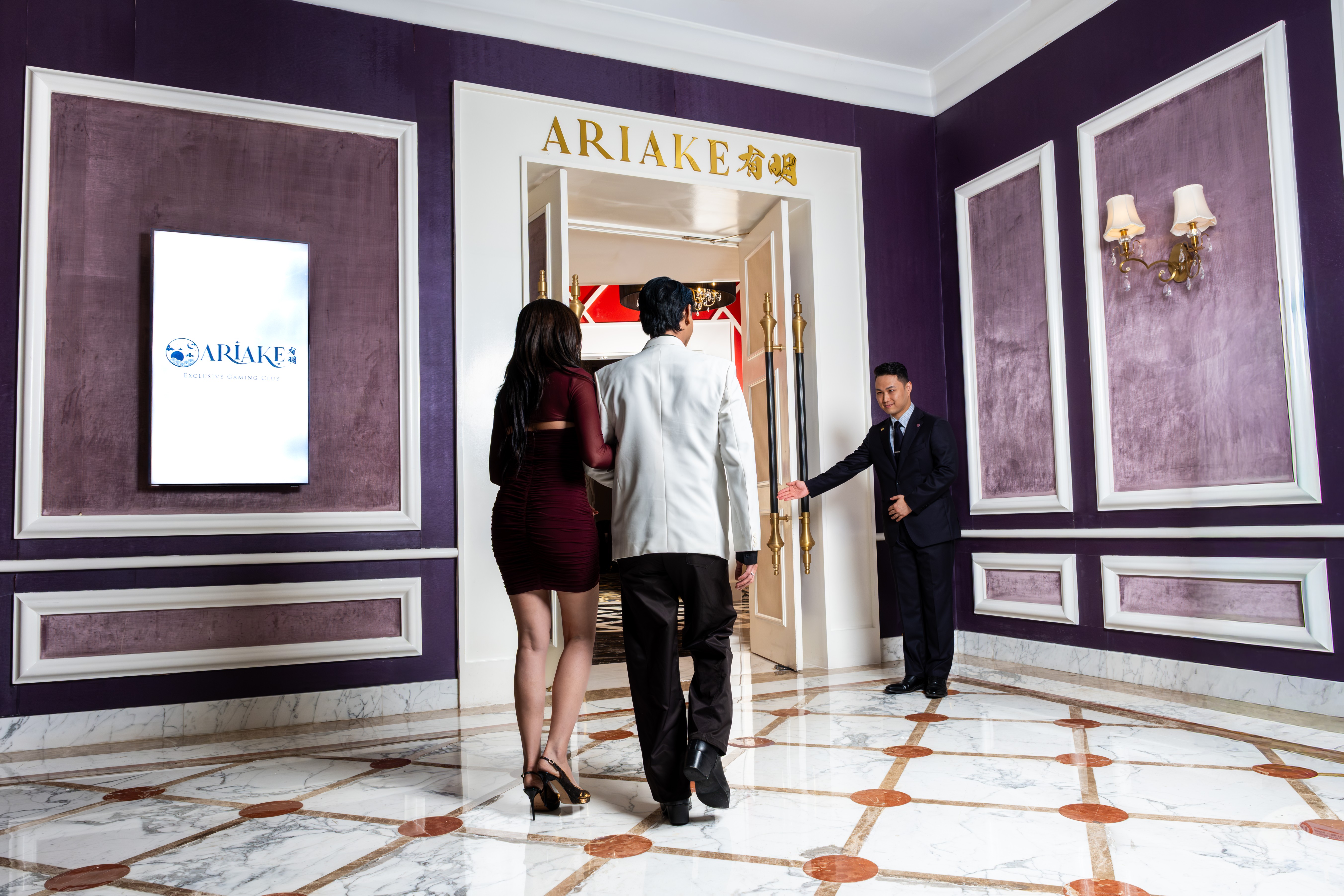
Okada Manila’s launch of Ariake, a gaming club curated for Japanese VIP guests, is a clear example of segment-specific product design.
Many casino operators claim to target premium customers. But the better operators go further. They create environments that match the emotional and cultural expectations of the target segment.
For Japanese premium guests, exclusivity alone may not be enough. The experience should also communicate privacy, order, elegance, comfort, and trust.
Ariake therefore works as more than a gaming space. It becomes a signal: “We understand this market.”
That is powerful positioning.
In premium hospitality, the product is not only the room, the table game, or the machine. The product is the feeling of being understood.
The Bigger Context: Entertainment City Competition Is Getting Harder
Okada Manila’s move comes during a period where the Philippine integrated resort market remains competitive. Entertainment City is not a one-property market. It includes strong rivals fighting for mass-market players, VIP guests, hotel occupancy, events, dining traffic, and digital users.
This competition increases the cost of acquiring and retaining customers.
That makes broad marketing less efficient. Instead of trying to speak to everyone, Okada Manila is sharpening its message toward a market where it has a natural brand connection: Japan.
This is logical because Okada Manila already carries Japanese brand DNA. Its parentage, service philosophy, and positioning allow it to credibly combine Japanese precision with Filipino warmth.
That is not easy for competitors to copy quickly.
The Strongest Angle: From Casino Marketing to Cultural Hospitality
The most important lesson here is that casino marketing is evolving.
The old model focused heavily on gaming incentives, rebates, comps, and junket-driven volume. The new model needs stronger integration between hospitality, entertainment, culture, digital engagement, and responsible gaming.
Okada Manila’s Japanese visitor push fits this new model.
It can connect multiple business lines:
- Premium gaming through Ariake
- Hotel stays and luxury packages
- Japanese dining and sake-related events
- Wellness and leisure experiences
- Online engagement through Okada Play
- CRM and loyalty programmes
- Airport-to-resort visitor experience
- Event-driven marketing around Japanese culture
This creates a more balanced revenue strategy. Instead of relying only on gaming win, the resort can build value from rooms, F&B, events, entertainment, loyalty, and digital channels.
Original Insight: Okada Manila Has a Natural Brand Bridge
Okada Manila has one advantage that many other Philippine resorts do not have: it can act as a bridge between Japan and the Philippines.
This is more than branding. It is strategic positioning.
For Japanese travellers, the resort can feel familiar enough to trust, but different enough to be exciting. For Filipino and regional guests, Japanese-inspired hospitality can create a premium perception. For partners, events like sake experiences and cultural showcases can turn the resort into a platform for Japan-Philippines lifestyle exchange.
This is where the opportunity becomes bigger than casino revenue.
Okada Manila can position itself as the leading Japanese-inspired integrated resort experience in Southeast Asia.
That positioning can support gaming, hotel, dining, wellness, entertainment, MICE, and digital gaming.
Strategic Recommendation
If Okada Manila wants to maximise this Japanese-market push, it should focus on five priorities:
- Build a dedicated Japanese visitor digital journey from search to booking.
- Connect Ariake, hotel, dining, events, and Okada Play under one CRM strategy.
- Use cultural events to strengthen the resort’s Japan-Philippines positioning.
- Create premium packages for Japanese travellers, including airport transfer, rooms, dining, and curated experiences.
- Measure success beyond gaming revenue by tracking repeat visits, package conversion, event attendance, hotel spend, F&B spend, and digital engagement.
This is how the strategy becomes sustainable.
Conclusion
Okada Manila’s renewed focus on Japanese visitors is more than a marketing announcement. It reflects a bigger industry shift.
Integrated resorts can no longer depend only on gaming volume. Competition is too high, VIP behaviour is changing, and acquisition costs are rising. The future belongs to operators that understand specific customer segments and build complete experiences around them.
For Okada Manila, the Japanese market is a natural fit. The brand already has Japanese roots, premium positioning, strong hospitality assets, and now a growing digital layer through Okada Play.
The opportunity is clear: become not just a casino resort that welcomes Japanese guests, but the preferred Japanese-inspired integrated resort experience in Manila.
That is a much stronger and more defensible position.