
 Content Writer: Janice Chew • Tuesday, 26/02/2026 - 18:48:31 - PM
Ride-hailing giant Uber has announced its return to Macau with the launch of Uber Taxi, marking a notable shift in the city’s transport landscape and a renewed attempt to integrate platform-based mobility services within one of Asia’s most tightly regulated markets. The move comes several years after Uber exited Macau following regulatory challenges, signalling a more cooperative approach with local authorities and the existing taxi industry.
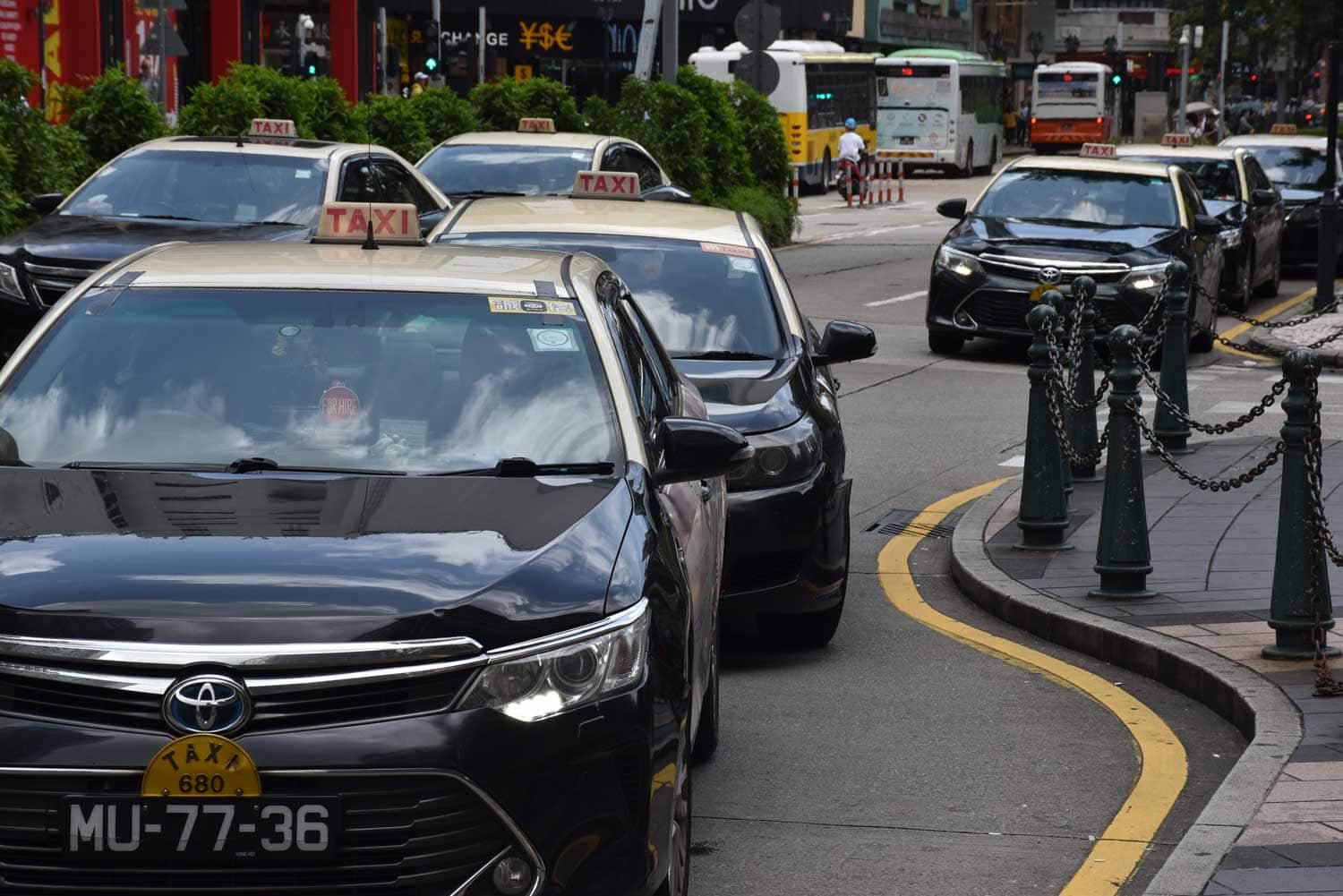
Unlike its earlier peer-to-peer ride-hailing model, Uber Taxi in Macau will operate by connecting passengers directly with licensed taxi drivers, aligning the service with local transport regulations. This structure mirrors Uber’s recent strategies in other highly regulated jurisdictions, where the company has positioned itself as a technology platform that enhances taxi utilisation rather than disrupts it. Industry observers view this as a pragmatic re-entry strategy that lowers regulatory risk while still allowing Uber to tap into Macau’s high tourist demand.
The timing of Uber’s return is closely linked to the ongoing recovery in Macau’s tourism sector. As visitor arrivals continue to normalise and major integrated resorts ramp up events and promotions, demand for reliable, app-based transport has risen, particularly among international visitors accustomed to cashless and multilingual mobility platforms. Uber Taxi is expected to appeal strongly to this segment, complementing existing transport options rather than replacing them.
From a broader industry perspective, the reintroduction of Uber into Macau may have indirect benefits for the city’s gaming and hospitality operators. Improved transport efficiency can enhance the overall visitor experience, reduce friction in moving between casino zones and support higher dwell time across integrated resorts. Analysts note that in destination-driven markets like Macau, even incremental improvements in mobility can have a positive knock-on effect on tourism spending.
Looking ahead, Uber’s Macau comeback will be closely watched as a test case for how global technology platforms can coexist with stringent local regulations. If successful, Uber Taxi could pave the way for expanded digital mobility services in Macau, reinforcing the city’s push toward becoming a more visitor-friendly, smart tourism destination while maintaining regulatory discipline.