
 Content Writer: Janice Chew • Thursday, 26/06/2026 - 23:37:12 - PM
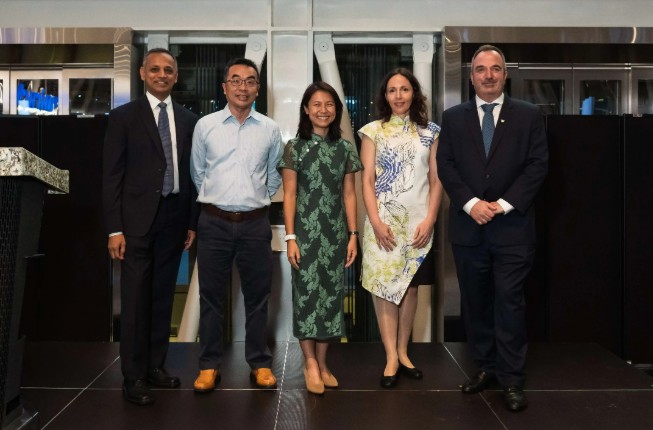
Marina Bay Sands has partnered with Singapore’s SG Eco Fund on a two-year initiative to support climate action, environmental awareness and community engagement.
This is more than a corporate sustainability announcement. It shows how major hospitality and integrated resort brands are becoming important platforms for public education, climate awareness and community action.

What the Partnership Covers
The partnership will focus on raising awareness of sustainability and climate resilience in Singapore.
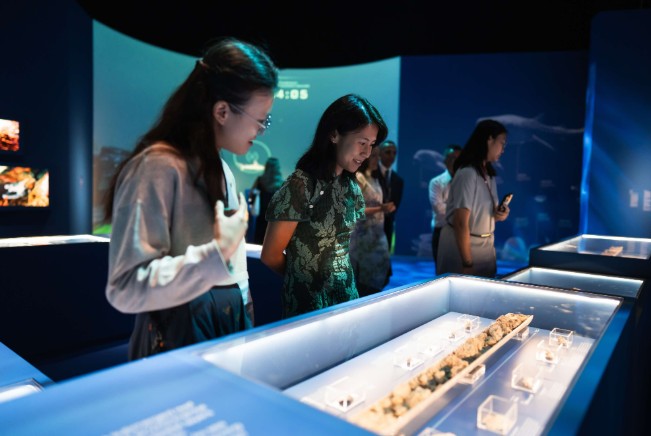
One of the key initiatives is the Sustainable Futures Film Festival at ArtScience Museum. The festival features films about climate change, marine conservation and biodiversity.
There will also be interactive exhibitions, learning tours, booths, art installations and hands-on sustainability workshops for students and the wider public.
This makes the programme more practical and accessible. Instead of only talking about climate change in reports or conferences, Marina Bay Sands is using culture, education and public spaces to bring the topic closer to everyday people.
Speaker Insight
Mr Sridhar Kandhadai, Senior Vice President of Asia Property & Asset Management at Marina Bay Sands, said the company remains committed to supporting meaningful sustainability engagement across Singapore.
He also highlighted the importance of creating spaces where communities can connect with environmental issues in ways that are accessible, relevant and impactful.
That is a strong message because climate action cannot depend only on government policy or corporate reporting. It needs public participation.
Mr Desmond Ho, Trust Secretary of SG Eco Fund, also said that strengthening Singapore’s climate resilience requires collective effort from all stakeholders. Through this partnership, SG Eco Fund wants to increase awareness of climate change impacts and encourage more ground-up initiatives.

Why This Matters for Marina Bay Sands
Marina Bay Sands is not just a hotel, casino or entertainment venue. It is one of Singapore’s most visible tourism landmarks.
That gives the company a powerful platform to influence visitors, businesses, students, event organisers and the wider community.
By hosting sustainability-related films, exhibitions and workshops, Marina Bay Sands can turn its physical space into an education and engagement platform.
This is important because sustainability becomes more meaningful when people can see it, experience it and connect it to real life.
Why This Matters for Singapore
Singapore is highly exposed to climate risks such as rising temperatures, heavier rainfall, flood risks and sea-level rise.
That is why climate adaptation is becoming a national priority.
Partnerships like this are valuable because they bring together the private sector, public sector and community groups.
The SG Eco Fund supports ground-up environmental projects, while Marina Bay Sands provides a high-profile platform to reach a wider audience.
This type of collaboration is exactly what sustainability needs — not isolated efforts, but connected action across society.
Original Insight: Sustainability Is Becoming Experience Design
The most interesting part of this partnership is that sustainability is being presented through experience.
Films, exhibitions, workshops and learning tours are more engaging than traditional awareness campaigns.
This matters because people remember experiences better than slogans.
For integrated resorts and hospitality brands, this is a big lesson. Sustainability should not sit only in annual reports. It should be built into the guest journey, event experience, employee culture and community engagement.
The future of hospitality will not only be judged by luxury, service and entertainment. It will also be judged by responsibility, transparency and social impact.
Final Takeaway
Marina Bay Sands’ partnership with SG Eco Fund shows that climate action is becoming part of mainstream hospitality leadership.
For integrated resorts, sustainability is no longer a side project. It is part of brand trust, customer experience, community responsibility and long-term business resilience.
The companies that lead in the future will not only offer beautiful destinations.
They will also use their platforms to educate, inspire and support a more sustainable society.