
 Content Writer: Janice Chew • Tuesday, 26/05/2026 - 17:24:14 - PM
The latest numbers from Jeju Dream Tower are no longer just “positive” — they are strategically significant.
Operated by Lotte Tour Development Co Ltd, the integrated resort delivered KRW48.8 billion (US$33.1 million) in casino sales for April 2026 —
🔺 +48.5% YoY
🔺 +20.9% MoM
This marks:
- Best month of 2026 so far
- 4th highest month in history
- Just shy of the all-time record of KRW52.9 billion (US$35.8 million)
Breaking Down the Performance: Where Growth Is Really Coming From
Gaming Revenue Mix
- Table Games: KRW46.5B (+49.4% YoY)
- Machines: KRW2.34B (+33.4% YoY)
This is a table-driven business, which tells you immediately:
- VIP / premium mass segments are leading growth
- Stronger player quality, not just footfall
Non-Gaming Still Growing
- Hotel Revenue: KRW7.4B (+3.8% YoY)
Modest growth here reinforces a key insight:
Jeju Dream Tower is currently gaming-led, not tourism-led — unlike many IRs trying to push non-gaming first.
Volume vs Value: A Critical Operator Insight
- Table Drop: KRW205.3B (+8.7% YoY)
- Visitation: 58,534 (highest since September)
Here’s the important nuance:
Drop is up 8.7%, but revenue is up 48.5%
This implies:
- Improved win rate / hold
- Better player mix (higher-value players)
- More effective CRM and targeting strategies
From a systems & analytics perspective (your domain), this usually points to:
- Better segmentation models
- Smarter reinvestment strategies
- Optimized junket / direct VIP balance
YTD Momentum: This Is Not a One-Off Spike
For Jan–Apr 2026:
- Casino Sales: KRW167.5B (+42.6%)
- Table Games: KRW159.4B (+43.8%)
- Machines: KRW8.0B (+23.3%)
- Hotel: KRW25.4B (+19.8%)
This is sustained, multi-month growth — not volatility.
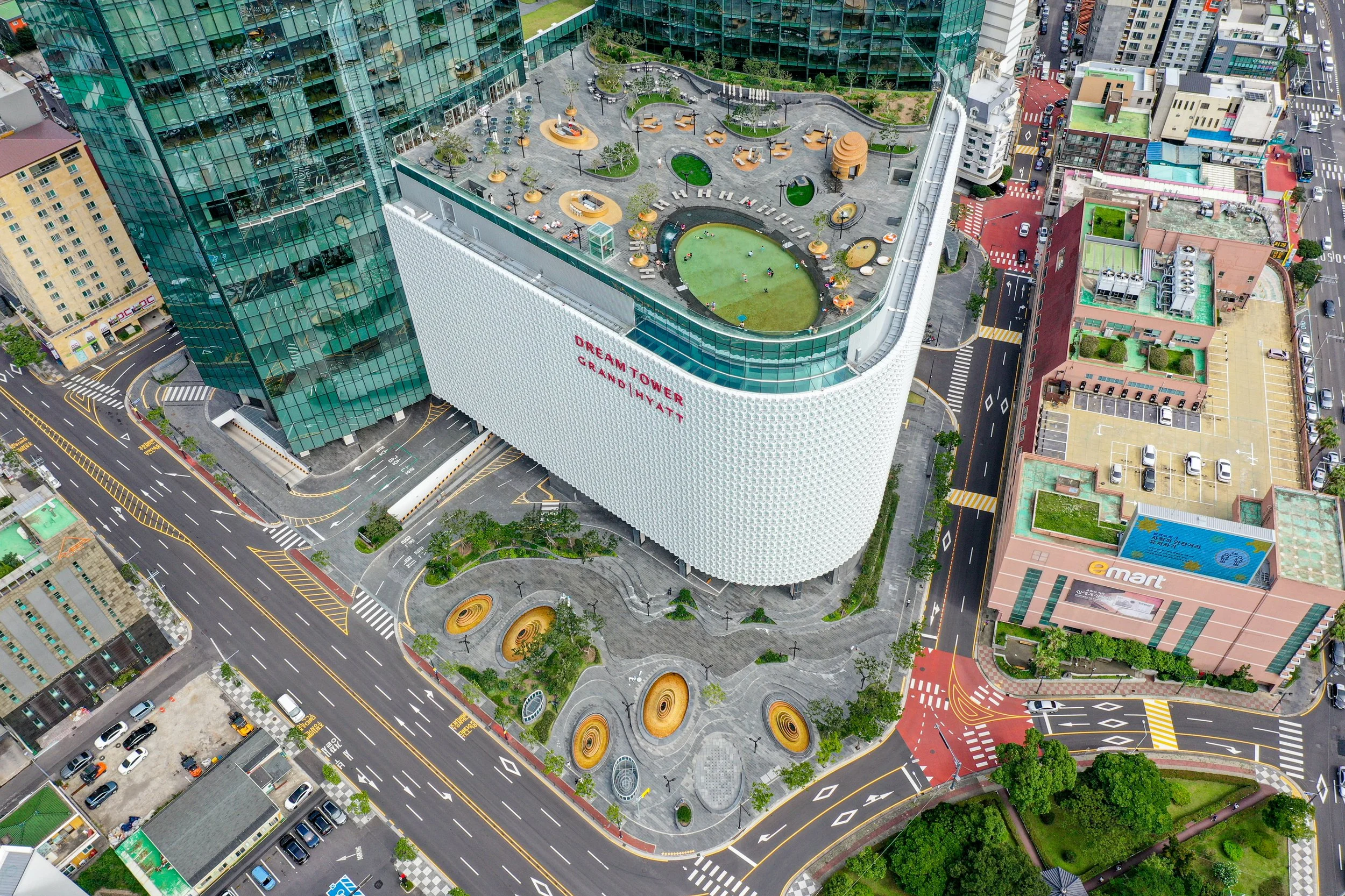
The Asset Itself: Built for Scale
Key highlights:
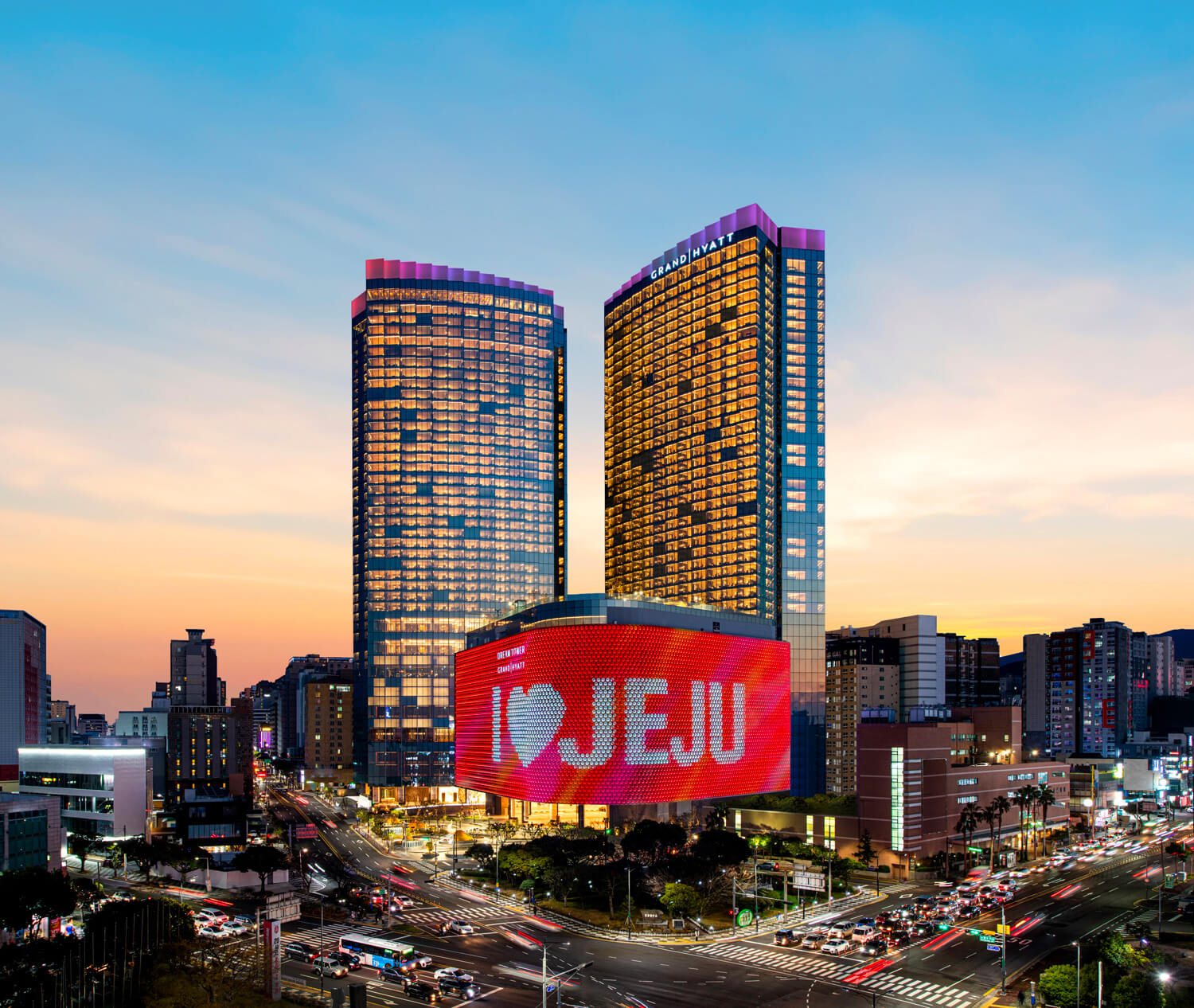
- 38 floors, 169m (tallest in Jeju)
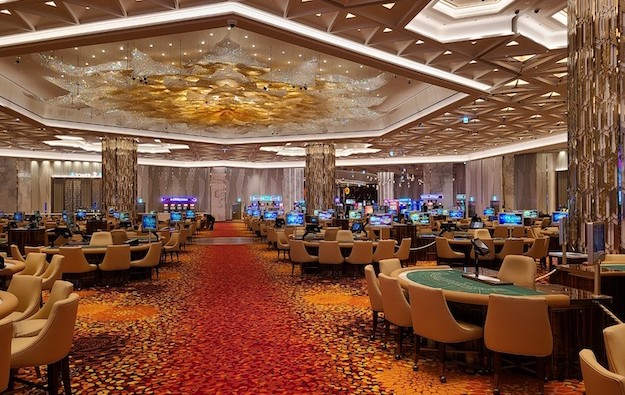
- 150 tables, 300 slots (current scale optimized mix)
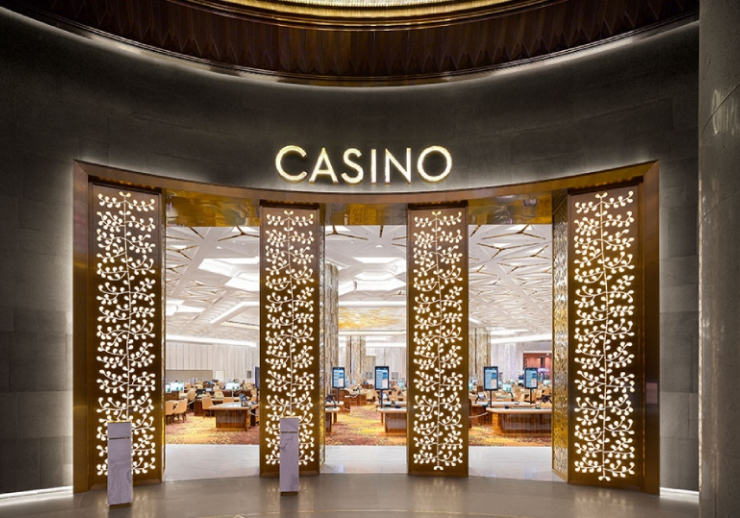
- 5,000 sqm casino floor
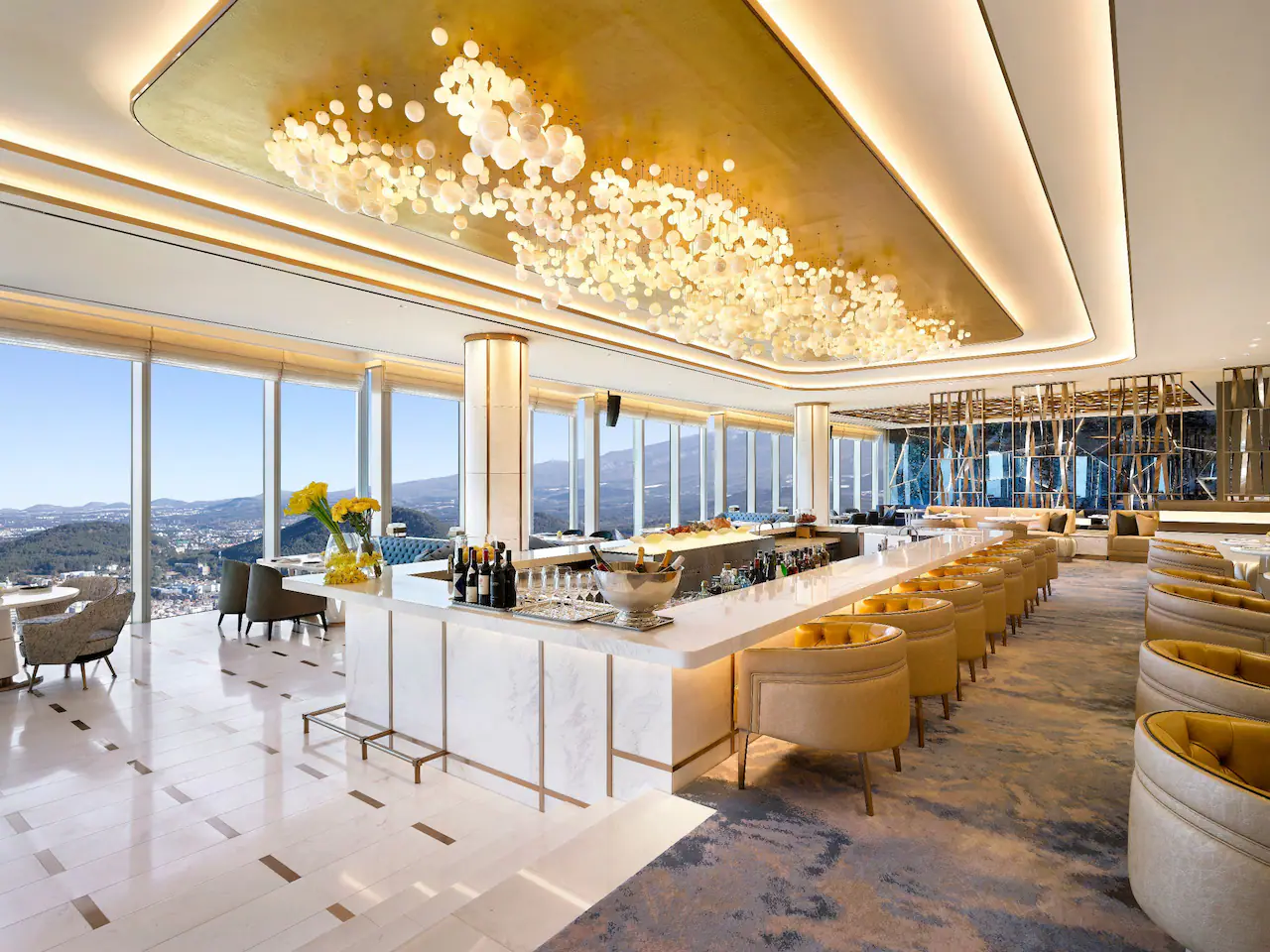
- 14 F&B outlets + retail + skydeck + spa
Originally relocated from Lotte Hotel Jeju in 2021, this move was not just expansion — it was repositioning into a true IR model.
Strategic Takeaways (This Is Where It Gets Interesting)
1. Korea’s Foreigner-Only Model Is Quietly Working
Jeju proves that:
- You don’t need locals to build a viable gaming business
- You need the right international targeting + access strategy
2. Premium Mass > Mass Volume
The dominance of table revenue shows:
- Focus is on quality players, not crowds
- Similar direction to Macau’s post-COVID strategy
3. Mid-Tier IR Is the Sweet Spot
At ~US$30M monthly:
- Lower operational complexity vs mega IRs
- Strong margin potential
- Faster ROI cycles
This is the most scalable model for emerging Asia markets.
Final Thought: This Is a Signal, Not Just a Result
Jeju Dream Tower is no longer “catching up.”
It is becoming:
A case study for how to build a profitable, non-Macau-centric gaming destination in Asia.
If momentum continues, don’t be surprised if:
- More operators explore Korea-style foreigner-only models
- Jeju evolves into a regional premium gaming hub