
 Content Writer: Janice Chew • Wednesday, 26/01/2026 - 13:02:42 - PM
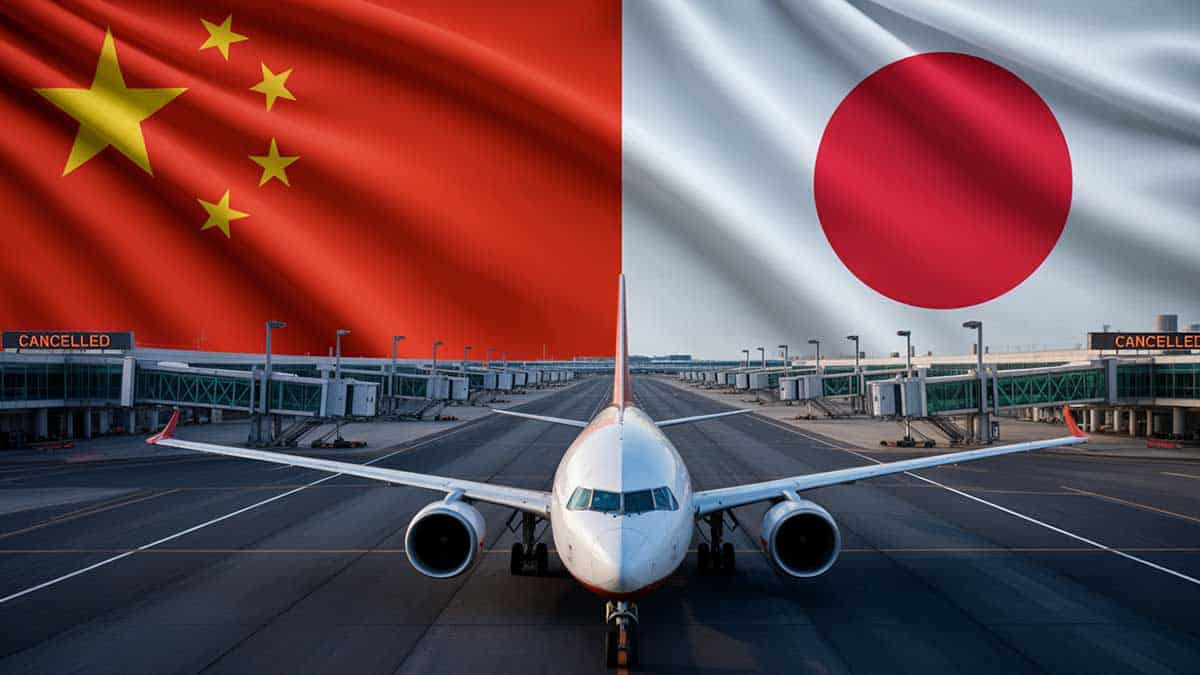
China’s decision to cancel 49 scheduled flight routes to Japan has introduced fresh uncertainty into Northeast Asia’s aviation and tourism outlook, particularly as Japan continues to rely heavily on inbound travel to sustain post-pandemic growth.

The cancellations reportedly affect a mix of regional and secondary routes, reducing overall air connectivity between the two countries at a time when demand from Chinese travelers was expected to rebound further. While major trunk routes linking large hubs remain intact, industry observers note that secondary routes are often critical for regional tourism, feeding travelers directly into local airports rather than funneling them through Tokyo or Osaka.
For Japan, the move comes at an awkward moment. Chinese visitors have historically been one of the largest and highest-spending inbound markets, supporting retail, hospitality, and regional tourism economies. Reduced flight capacity not only limits traveler volume but also raises airfare costs, potentially discouraging discretionary travel and short-haul leisure trips.
Aviation analysts suggest the cancellations reflect a combination of commercial and geopolitical factors. Airlines on both sides are facing uneven demand recovery, rising operational costs, and fleet allocation challenges, while broader China–Japan relations continue to influence bilateral travel flows. From an airline perspective, cutting underperforming routes is often a defensive measure to protect yields rather than a signal of long-term disengagement.
The impact extends beyond tourism. Business travel, supply-chain connectivity, and regional airport revenues could also be affected, particularly in Japan’s smaller cities that have invested heavily in attracting Chinese visitors. Some airports may be forced to refocus on other Asian markets such as South Korea, Southeast Asia, or Taiwan to offset the shortfall.
Despite the setback, industry watchers caution against reading the move as permanent. Capacity adjustments are common during recovery phases, and routes can return quickly once load factors improve or bilateral conditions stabilize. For now, however, the cancellations underscore how fragile aviation recovery remains—and how closely it is tied to both economic signals and diplomatic currents in the region.