

 Content Writer: Janice Chew • Thursday, 26/02/2026 - 15:25:28 - PM
Three recent analyst notes have placed the Genting ecosystem under the spotlight:
-
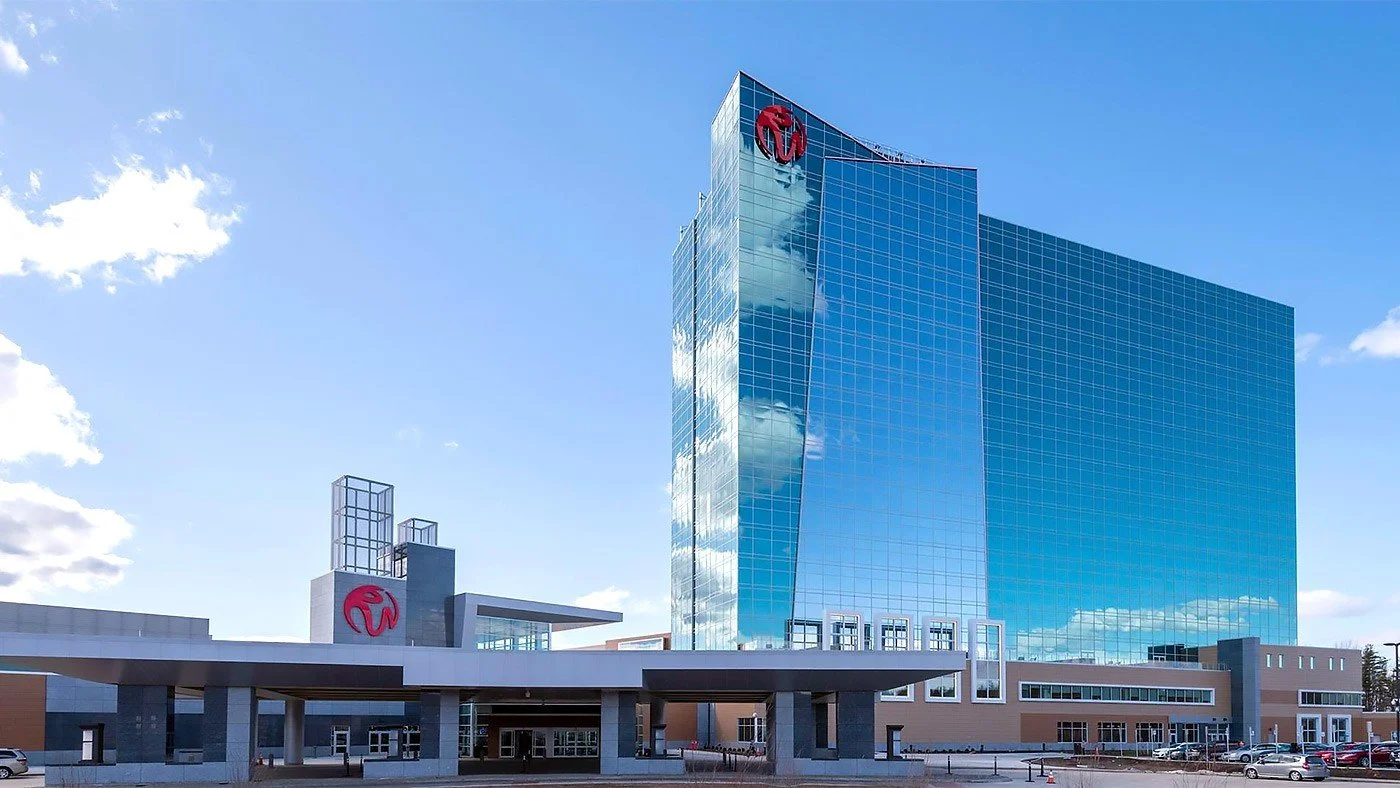
S&P Global Ratings warns that Genting Berhad could be forced to provide additional support to US subsidiary Empire Resorts Inc amid refinancing risk around looming bond maturities.
-
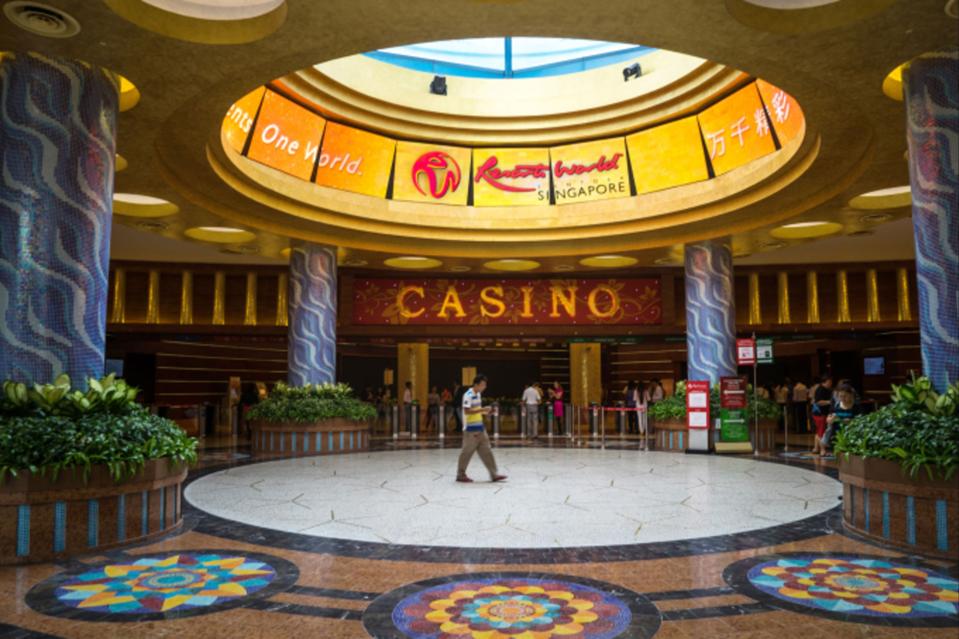
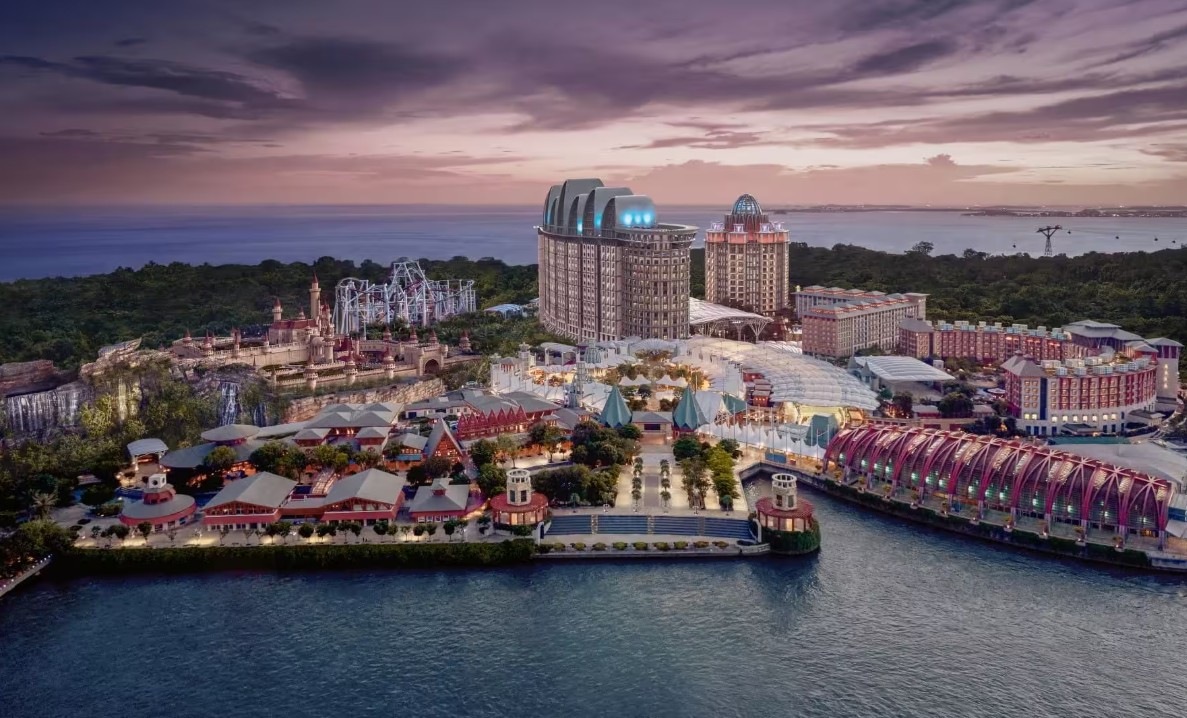
JPMorgan Chase expresses concern over record-low market share at Resorts World Sentosa (RWS) in 4Q25.
-
RWS enhancement works and lower gaming win rates weighed on FY25 revenue and profit at Genting Singapore.
Individually manageable.
Collectively — a strategic inflection point.
Empire Resorts: Refinancing Risk and Balance Sheet Sensitivity
S&P’s concern centers on refinancing risk at Empire Resorts, which may require Genting Berhad’s support depending on market conditions.
This introduces three potential pressures:
-
Parental capital injection risk
-
Credit metric sensitivity
-
Reduced financial flexibility for reinvestment elsewhere
If refinancing costs rise or access tightens, group liquidity allocation becomes more delicate.
This matters because Genting’s diversification only works if each pillar remains stable.
RWS Market Share at All-Time Low: A Duopoly Warning Signal
Singapore operates under a tightly controlled duopoly between:
-
Genting Singapore (RWS)
-
Las Vegas Sands Corp (Marina Bay Sands)
JP Morgan’s note that RWS market share hit an all-time low in 4Q25 is significant.
In a two-player system, structural shifts matter more than in fragmented markets.
Possible drivers:
-
Premium player migration
-
Competitive reinvestment gap
-
Disruption from enhancement works
-
Product differentiation challenges
Management’s Position: RWS 2.0 Is a Long-Term Play
Chairman and Acting CEO Lim Kok Thay framed FY25 differently:
“2025 was a defining transition year as we advanced a major phase of our asset refresh at RWS.”
He added:
“These investments reflect our long-term commitment to enhancing our competitiveness and elevating the guest experience. We have also reinforced our management bench with several key appointments, adding depth and energy at a pivotal stage of transformation.”
And further:
“While the team is newly formed and will progressively build collective rhythm, I am confident in its ability to execute with discipline and realise the full potential of RWS 2.0.”
This messaging shifts the narrative from weakness to transformation.
Enhancement works are positioned not as disruption — but as strategic renewal.
Unique Insight: Transition Pain vs Competitive Renewal
Short-term data shows:
-
Lower win rates
-
Revenue softness
-
Market share decline
Management argues:
-
Asset refresh is necessary
-
Leadership renewal is underway
-
Competitive positioning will strengthen
This is the classic IR reinvestment cycle:
CapEx now → earnings compression → competitive uplift later.
The question is execution timing.
Dividend Signal: Confidence or Constraint?
Genting Singapore declared a final dividend of SG$0.02 per share, matching the interim dividend and bringing total FY dividends to SG$0.04 per share.
Dividend consistency sends a signal:
-
Cash flow remains stable
-
Management confidence in balance sheet
-
No immediate liquidity stress at the Singapore entity level
However, if Genting Berhad must support Empire Resorts, capital allocation trade-offs could emerge at the group level.
Dividend sustainability will be watched closely.
Capital Allocation Tension: The Strategic Crossroads
If Genting must support Empire’s refinancing, it could:
-
Slow reinvestment at RWS
-
Increase leverage sensitivity
-
Pressure credit outlook
At the same time, RWS needs continued reinvestment to regain competitive momentum.
This creates a capital allocation balancing act:
US refinancing stability vs Singapore competitive acceleration
Few gaming groups face this dual-layer test simultaneously.
Final Perspective
This is not a crisis.
It is a convergence of stress points during a transition year.
RWS 2.0 represents long-term ambition.
Empire refinancing represents short-term financial sensitivity.
Execution over the next 12–18 months will determine whether 2025 was indeed a “defining transition year” — or the start of structural recalibration.
For Genting, the transformation story now meets the capital markets test.