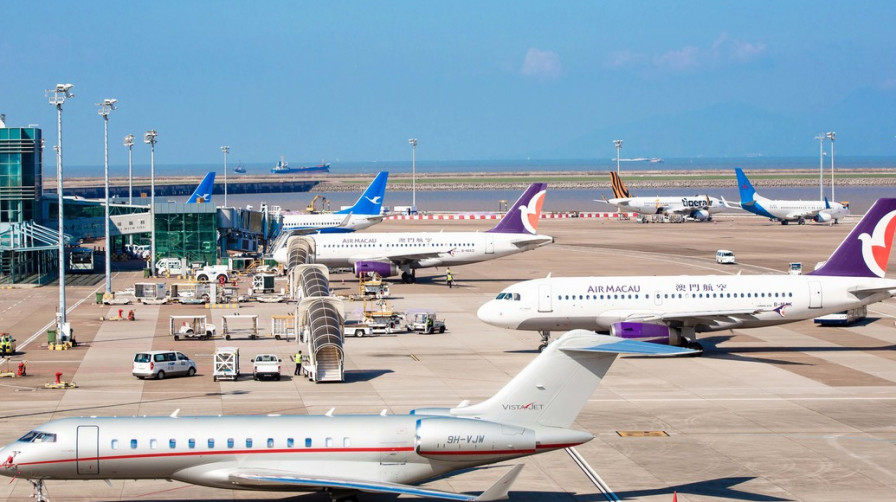
Macau’s Tourism Office (MGTO) announced that European visitation has reached 80% of 2019 levels for the first ten months of 2025, a milestone that underscores the city’s accelerating recovery in long-haul markets. Visitors from France, the UK, and Portugal were the strongest contributors, reflecting improved air connectivity and targeted promotional campaigns MGTO has been running across Europe. Multi-source travel industry reporting also notes renewed charter partnerships and expanded digital marketing aimed at high-value travellers.
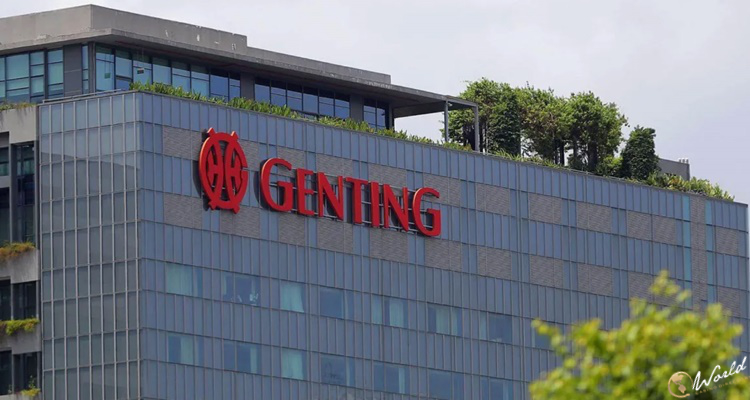
Genting Bhd has resumed its on-market purchases of Genting Malaysia (GENM) shares this week, reinforcing a pattern of steady accumulation and bringing its ownership closer to the 75% delisting threshold set by Bursa Malaysia. The latest filing shows Genting Bhd buying 3.44 million shares at RM2.29, lifting its stake from 72.47% to 72.97%. This renewed activity comes after almost two months of no acquisitions, suggesting the parent company is once again signalling confidence in GENM’s valuation and future prospects.
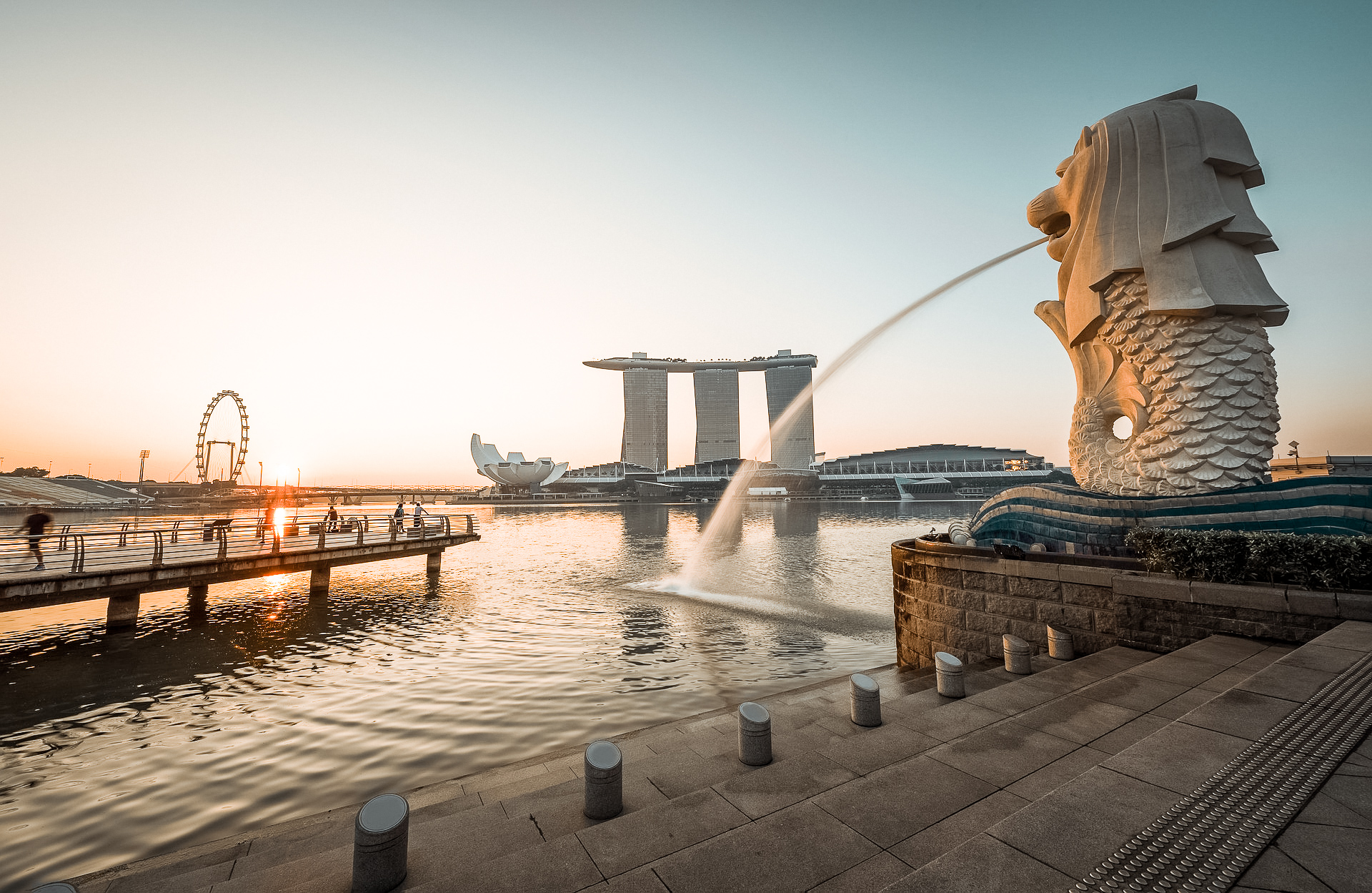
Last month Singapore recorded around 1.38 million international visitor arrivals, representing a roughly 4.9% year-on-year increase. Of those, approximately 1.02 million were overnight visitors, marking a modest gain of about 2.2% compared with the same month last year. Interestingly, the average length of stay declined slightly, reaching about 3.38 days, down by roughly 3.1% year-on-year.
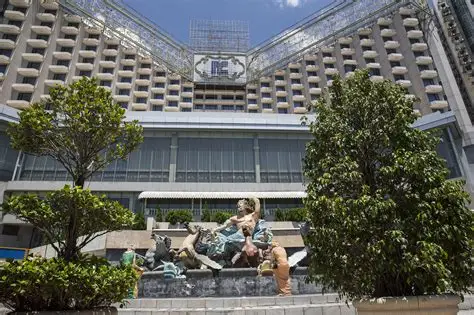
The Beijing Imperial Palace Hotel in Taipa—once home to the satellite casino Greek Mythology Casino and formerly linked to junket-tycoon Alvin Chau—is now undergoing renovation after a change of ownership, signalling a fresh chapter for the much-troubled property.
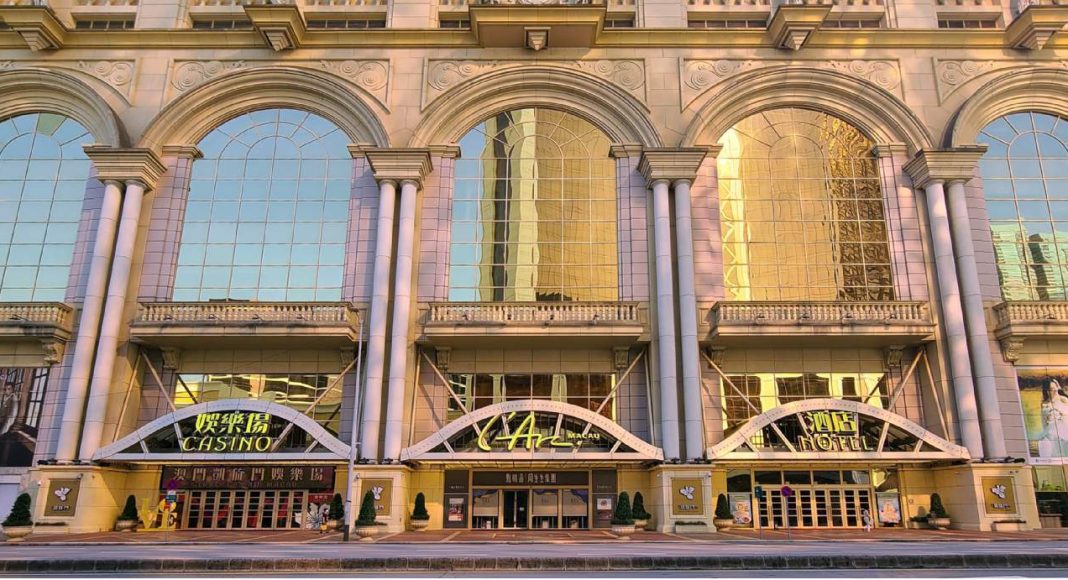
Investment-bank J.P. Morgan estimates that the acquisition by SJM Resorts of L’Arc Macau could contribute approximately HK$300 million to HK$350 million (around US$38.5-45 million) in annual EBITDA to SJM, suggesting the deal is “value-accretive”.
 Author: Janice Chew • Friday, 05/12/2025