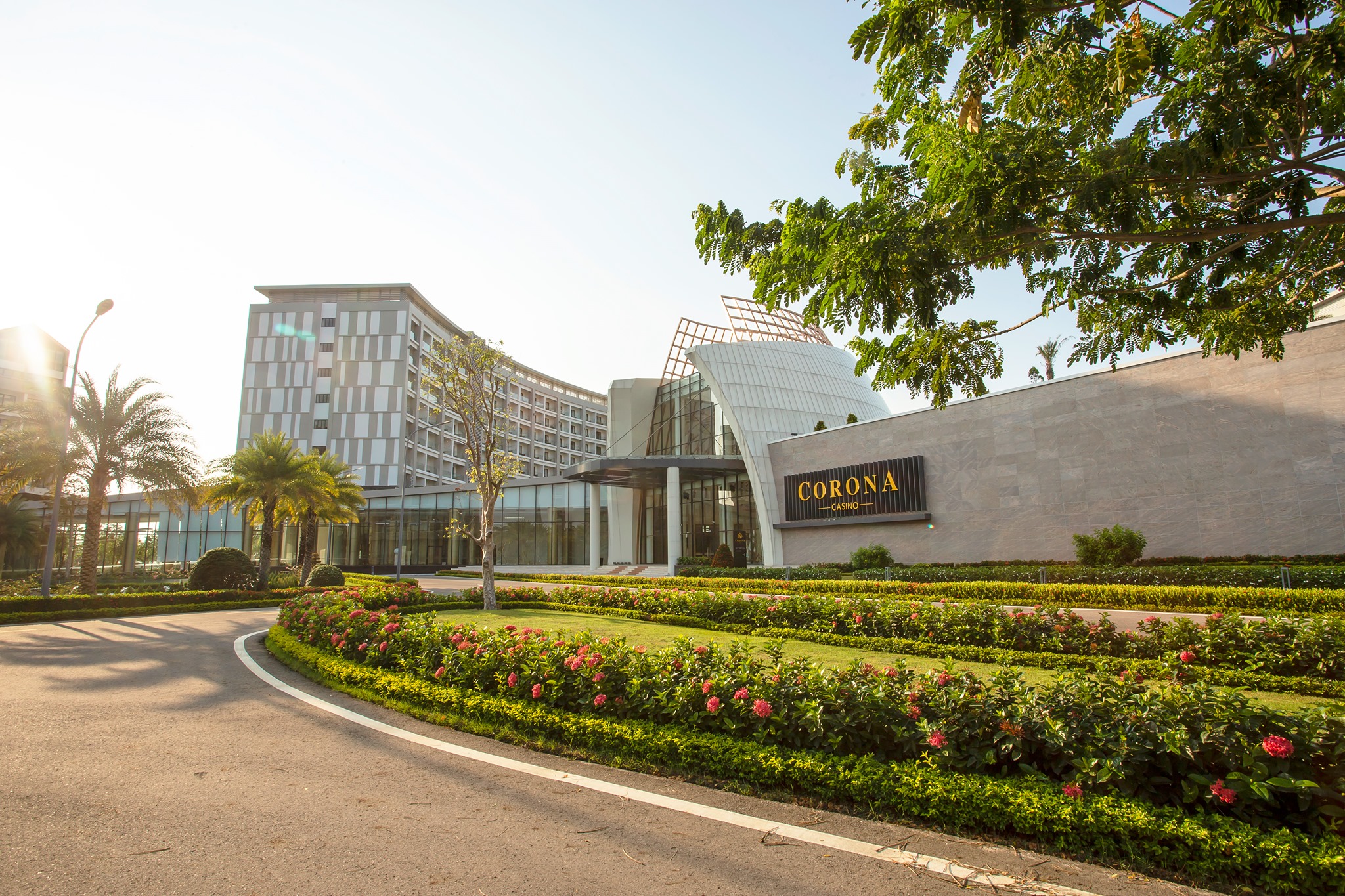
Corona Resort & Casino has launched a new “Corona Premium Mass” gaming venue, marking a strategic push to capture higher-value players as Vietnam’s casino market continues to mature. The new space is designed to bridge the gap between mass-market gaming and VIP play, offering upgraded service levels, enhanced privacy and a more refined gaming environment while remaining accessible to non-VIP customers.
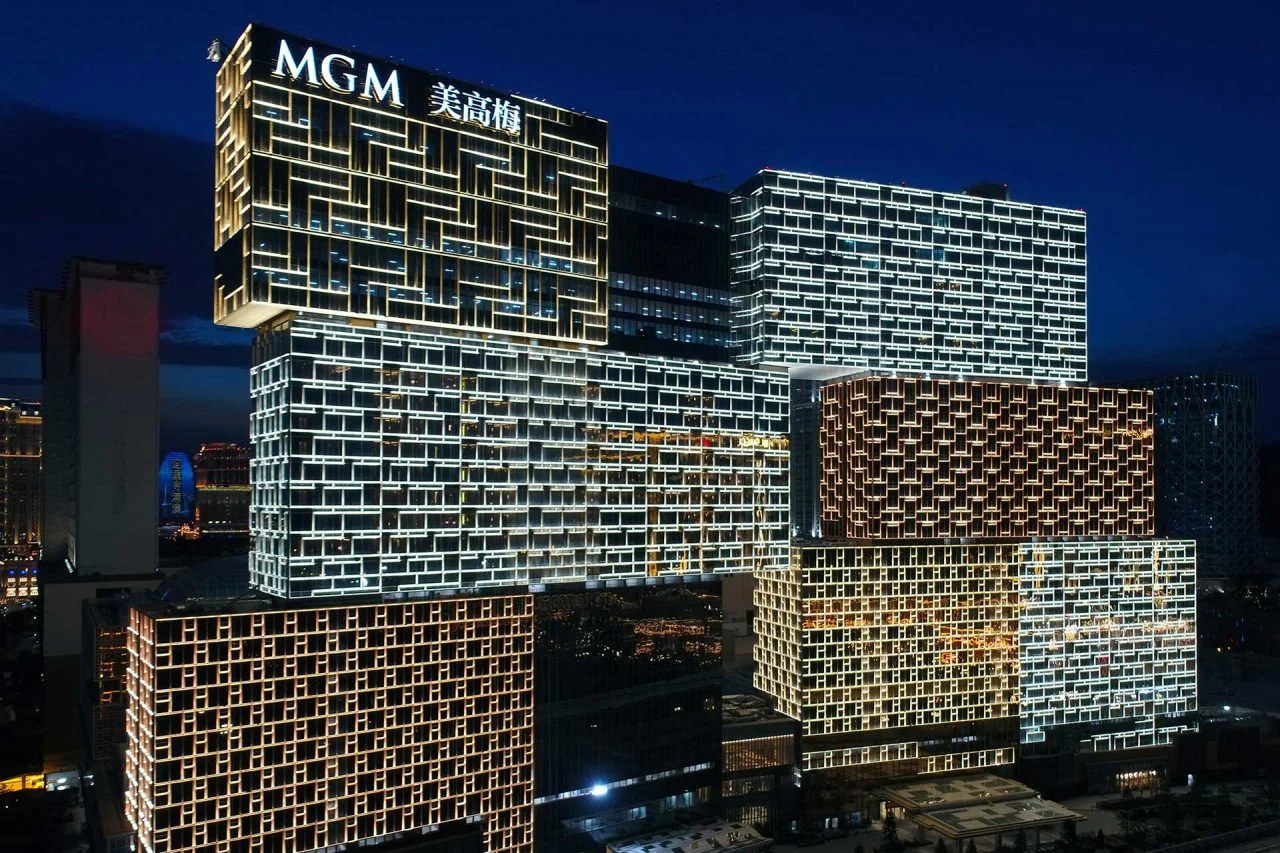
MGM China has entered 2026 with strong operational momentum, led by an exceptional fourth quarter performance at MGM Cotai and reinforced by bullish expectations for the Chinese New Year holiday period, according to company management and recent financial disclosures.
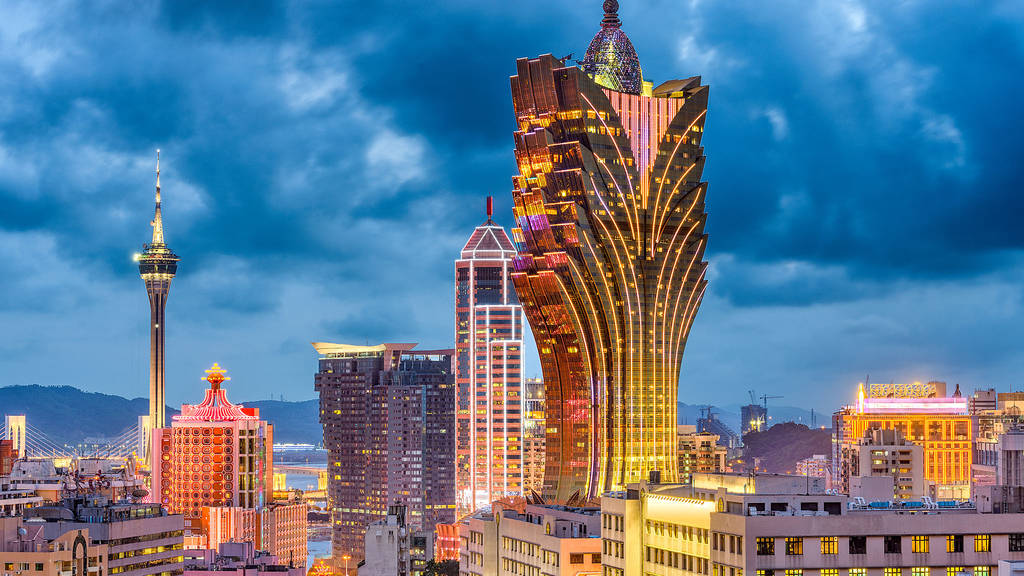
Macau has authorised 29 gaming promoters for 2026, signalling a continued stabilisation of the city’s once-dominant junket sector as it adjusts to tighter regulation and a reshaped VIP gaming environment.
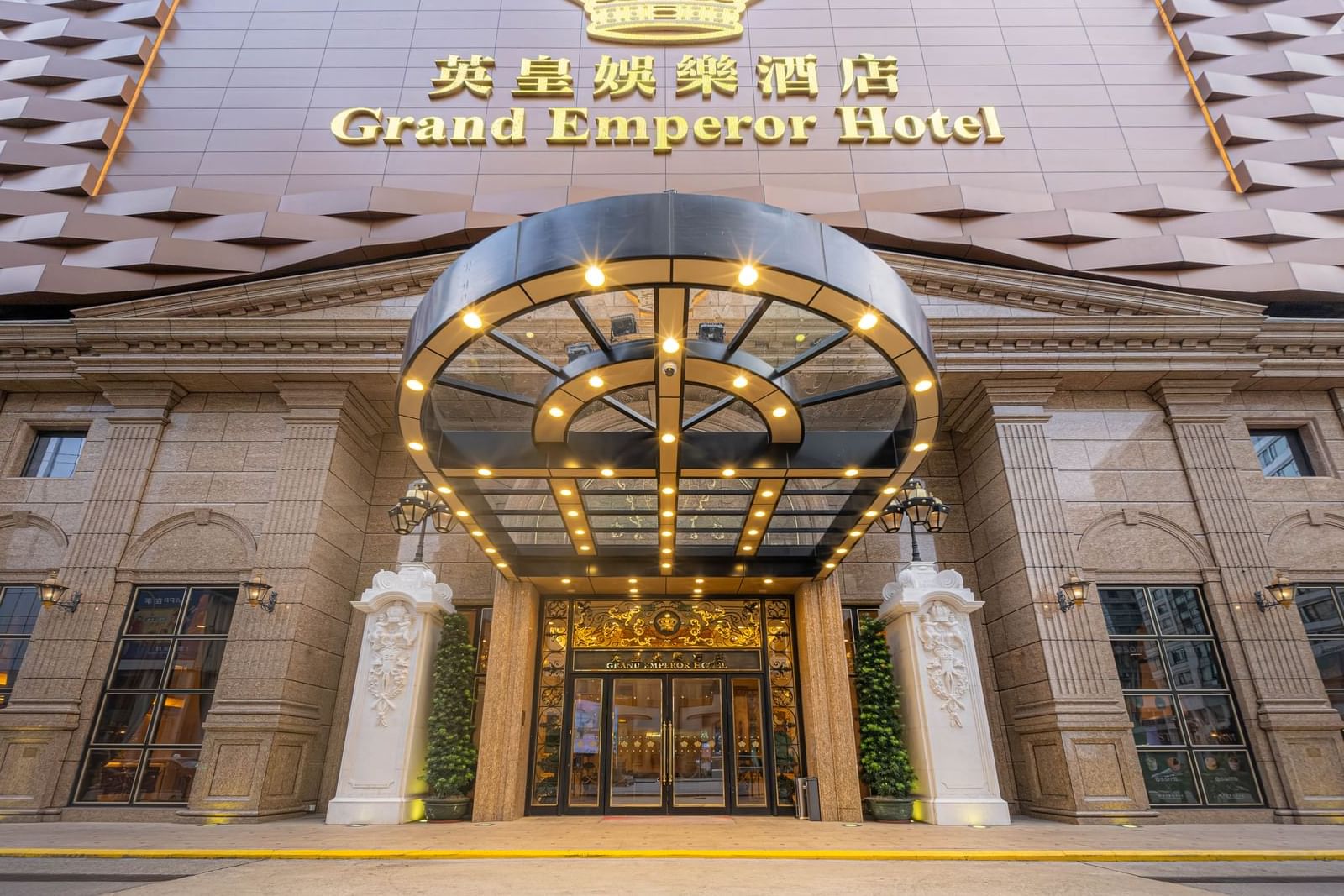
In a move that has caught the attention of the hospitality and gaming world, the iconic gold bricks that once lined the lobby floor of the Grand Emperor Hotel in Macau have been removed and sold, generating a substantial windfall for the property’s owner.
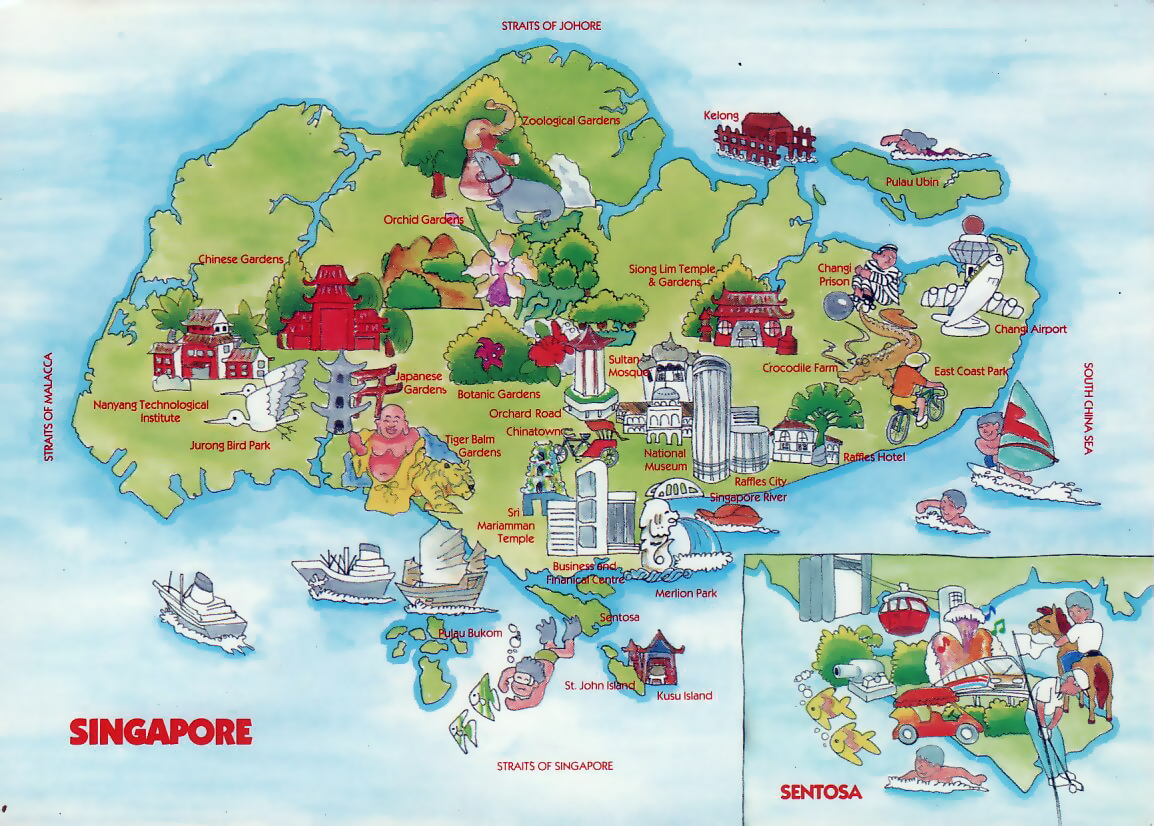
Singapore Tourism Board has reported an all-time record US$18.8 billion in tourism receipts for the first nine months of 2025, underscoring Singapore’s powerful post-pandemic rebound and its positioning as Asia’s premier premium travel hub. The figure already surpasses full-year performances from previous peak years, highlighting strong recovery momentum across leisure, business, and high-value visitor segments.
 Author: Janice Chew • Friday, 06/02/2026