
South Korean police have arrested 58 people accused of operating illegal online gambling websites that impersonated Kangwon Land, highlighting how sophisticated illegal betting operations are increasingly using established casino brands and new technologies to gain players’ trust.
Sands China has declared an interim dividend of HK$0.50 per share for 1H26, double the HK$0.25 paid a year earlier, even as rising operating costs weighed on profitability.
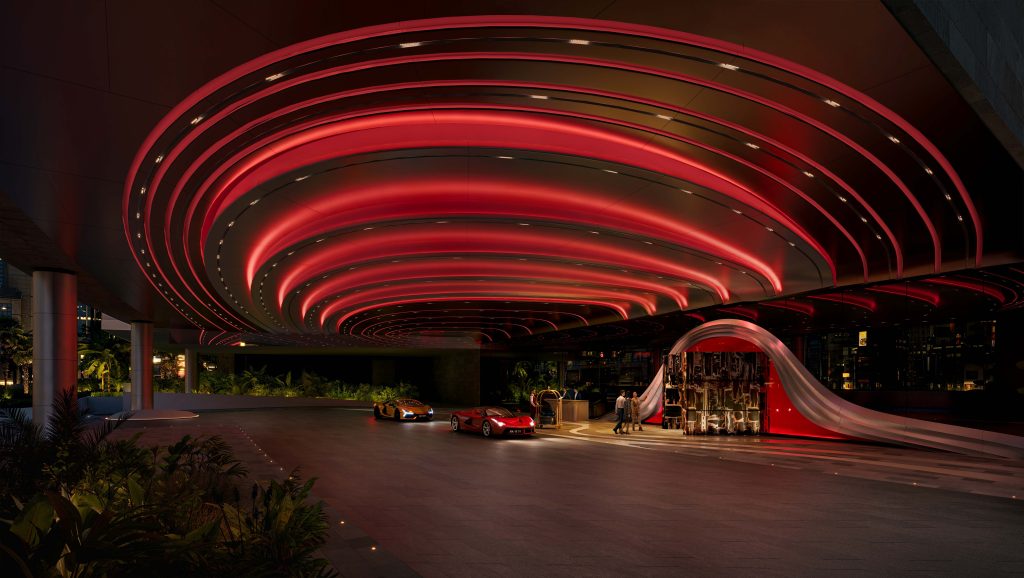
Melco Resorts & Entertainment is preparing for the official grand opening of REM at City of Dreams Macau in October 2026, adding another highly differentiated premium hotel product to an increasingly competitive Cotai market.
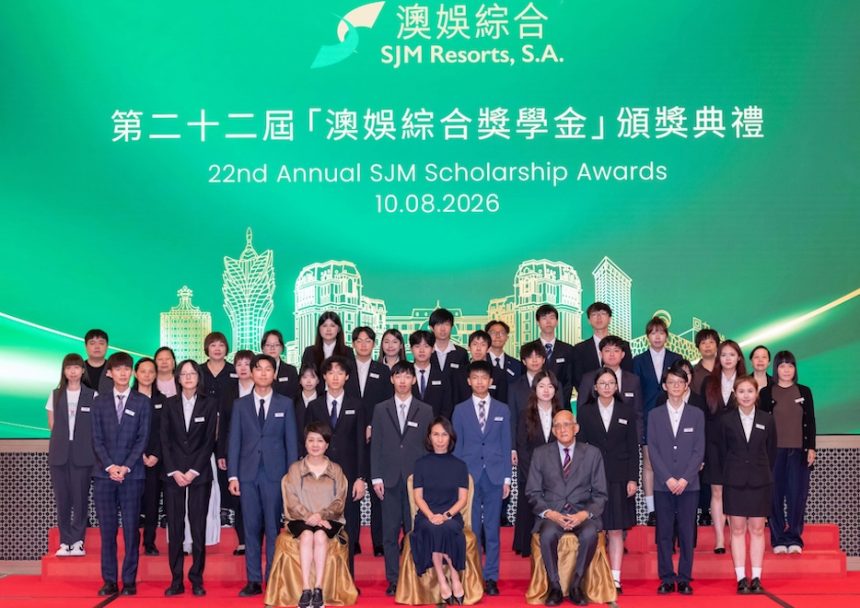
SJM Resorts has awarded MOP20,000 (around US$2,475) each to 36 children of employees under its annual scholarship programme, continuing a long-running initiative that connects employee welfare with Macau’s wider talent-development goals.
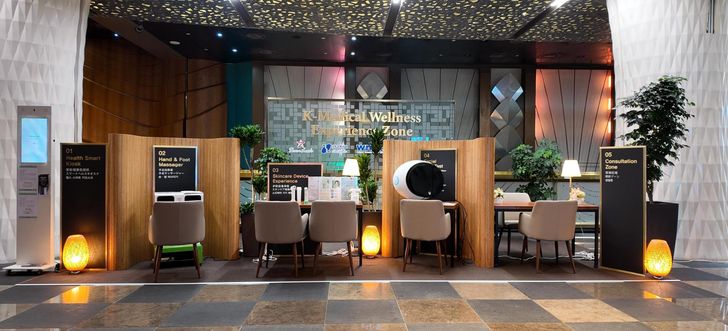
Grand Korea Leisure (GKL) has secured the long-term future of its flagship Seven Luck Casino Gangnam COEX location in Seoul, signing a new 10-year lease while simultaneously experimenting with medical and wellness tourism as a way to broaden the visitor experience.
 Author: Janice Chew • Tuesday, 18/08/2026