
In an industry often dominated by billion-dollar developments and headline-grabbing expansions, the latest move by Las Vegas Sands and its Singapore flagship Marina Bay Sands stands out for a different reason.
The commitment of more than SG$2 million (US$1.57 million) towards the next generation of hospitality professionals is not just a corporate social initiative—it is a long-term strategic investment in talent infrastructure.
And in today’s hospitality landscape, talent is the real competitive advantage.
The decision by MGM Resorts International to sell the operations of MGM Northfield Park for US$546 million is not just a transaction—it is a strong statement about where the global gaming industry is heading.
Announced on April 21, the deal sees operations transferred to private equity funds managed by Clairvest Group Inc., while MGM continues refining its portfolio toward higher-growth and more scalable opportunities.
At its core, this is not about exiting a property—it’s about repositioning capital with intent.
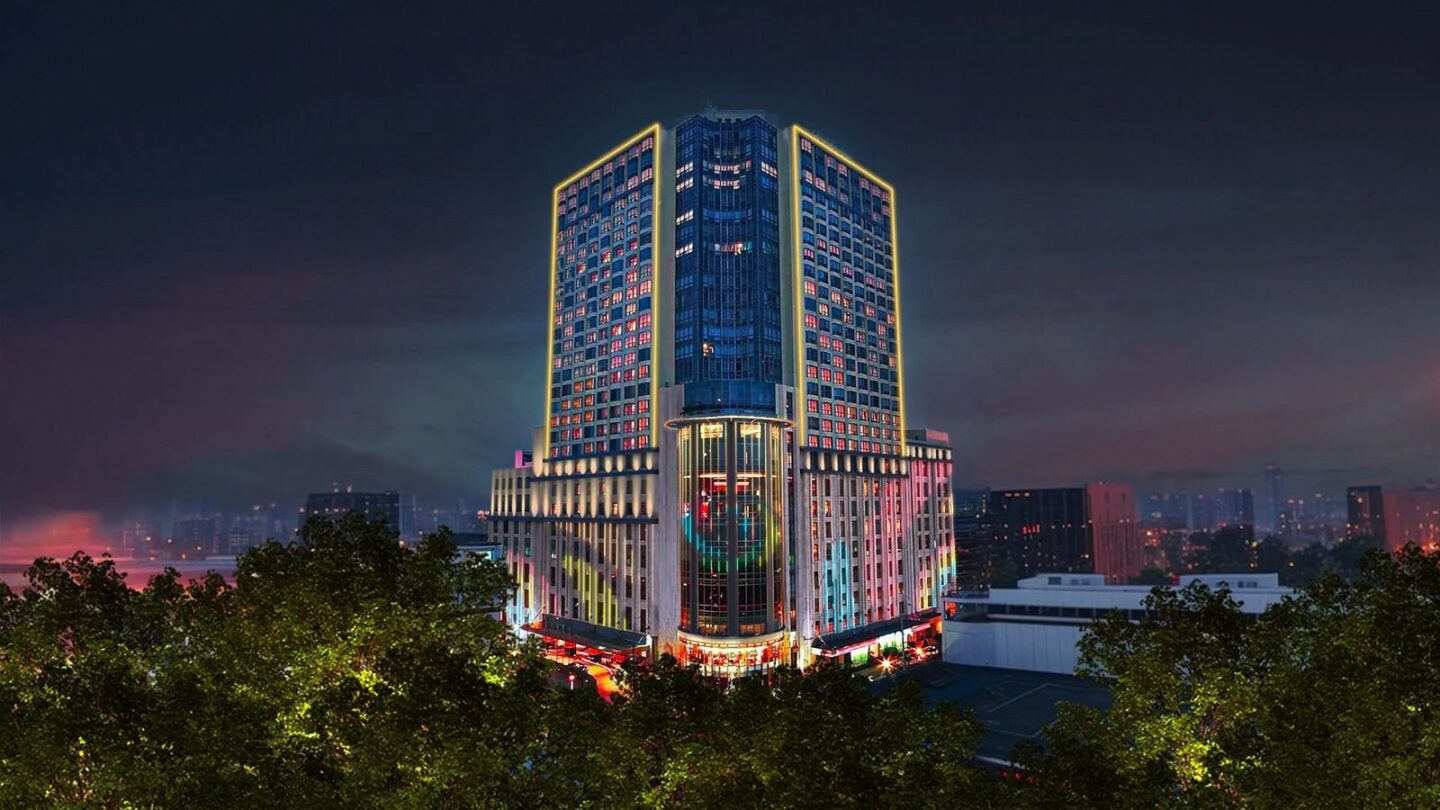
The launch of live table games at Resorts World New York City (RWNYC) on April 28 is more than a routine expansion—it is a defining moment for the evolution of gaming in New York City.
For the first time in history, downstate New York will host live dealer table games, marking a long-awaited transition from a machine-dominated environment into a more complete and immersive casino experience. Operated by Genting Group, RWNYC is stepping decisively into a new phase of its growth—one that aligns closely with its recent selection by the New York Gaming Facility Location Board as a candidate for a full casino license.
This timing is no coincidence.
Singapore has long positioned itself as one of the most tightly regulated gambling jurisdictions in Asia. Yet recent developments show a growing disconnect between regulation and user behaviour—especially in the age of crypto and decentralized platforms.
A surge in Singapore-related wagering activity has been recorded on the crypto prediction platform Polymarket, despite it being officially blocked in the country since late 2024. This trend highlights a deeper structural challenge: enforcement is becoming harder, not easier.
Korea Financial Intelligence Unit (FIU) has fined Kangwon Land Inc KRW564 million (US$382,400) and issued a warning to an unnamed executive over alleged anti-money laundering (AML) violations.
But this case goes far beyond a financial penalty.
It exposes systemic compliance gaps — and signals a shift toward deep, data-driven enforcement.