
The return of G2E Asia and the Asian IR Expo this May in Macau is more than just another industry event — it’s a strong signal that Asia’s gaming and integrated resort (IR) sector is regaining momentum.
With over 8,000 attendees expected, this year’s edition reflects renewed confidence across operators, suppliers, and investors navigating a rapidly evolving landscape.

The Asian gaming landscape is entering a new phase of consolidation and ecosystem-building.
Hong Kong-listed International Entertainment Corporation (IEC) has taken a major step forward by fully repaying its debt obligations, backed by a strategic investment from DigiPlus Interactive Corp.
This move is not just financial restructuring — it signals a control shift, ecosystem expansion, and long-term integrated resort play.
In a bold move to reshape how online gaming platforms acquire and retain users, Philippines-listed DigiPlus Interactive Corp has launched a PHP1 billion (US$16.6 million) “Prediction Giveaway” through its sportsbook platform ArenaPlus.
More than just a promotional campaign, this initiative signals a strategic shift in customer acquisition and retention, blending entertainment, gamification, and regulatory-conscious design into a single growth engine.
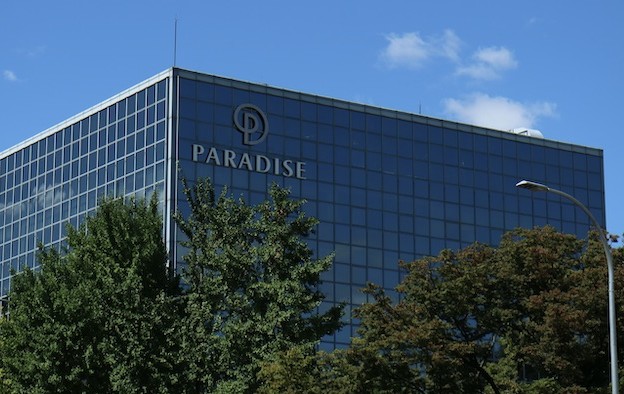
In March 2026, Paradise Co Ltd reported casino revenue of KRW49.5 billion (US$32.8 million), marking a steep 39.6% year-on-year decline and an even sharper 44.0% drop month-on-month.
For a leading operator in South Korea, this is not just a weak month—it is a result that immediately stands out.
What makes it more intriguing is that the company did not provide a detailed explanation alongside its monthly release, leaving the market to interpret the underlying causes.

In March 2026, Grand Korea Leisure (GKL) reported casino revenue of KRW32.0 billion (US$21.2 million). This represents a 22.8% decline year-on-year, although it was 16.0% higher than February, suggesting some short-term recovery momentum.
However, the real story lies beneath the surface. The drop amount, which reflects total wagers, actually increased to KRW339.3 billion (US$225 million). This was up 13.5% year-on-year and 18.8% month-on-month.
This creates a critical contradiction: more money is being played, yet less revenue is being generated.
 Author: Janice Chew • Thursday, 09/04/2026