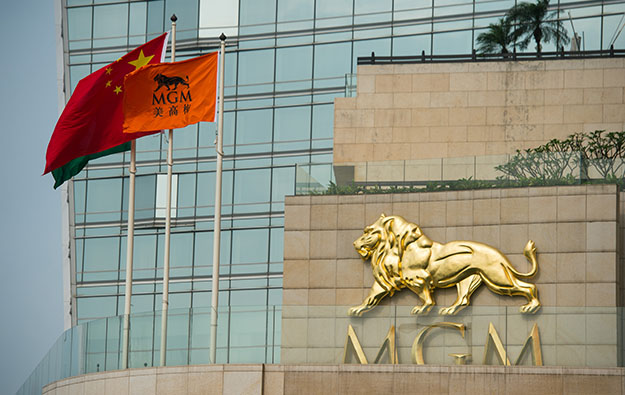
MGM China Limited has announced that it will pay up to HK$200 million (about US$25.7 million) to Shun Tak Holdings in 2025 under its Fourth Renewed Master Service Agreement to use Shun Tak’s hotel rooms and related services in Macau — a HK$20 million (≈ US$2.6 million) increase over the previously agreed cap. The hotels involved in this agreement include the Mandarin Oriental Macau and the Artyzen Grand Lapa. The revision reflects MGM China’s forecasted growth in offsite gaming accommodation demand, and higher-than-expected room purchases under the agreement.

Wynn Resorts is stepping up its recruitment drive in anticipation of the 2027 debut of its integrated resort on Al Marjan Island, Ras Al Khaimah, marking one of the most ambitious hospitality developments in the UAE. The property—which will be the country’s first legal casino resort—already has dozens of job listings live, spanning multiple disciplines including hospitality, entertainment, wellness, food & beverage, technical operations, marketing, finance and more. The resort is being built with luxury and scale in mind: more than 1,500 guest rooms, dozens of restaurants and lounges, retail space, a showroom/theatre, spa, beach club and more.

Genting Malaysia is bracing for continued pressure on profitability over the near term. In a recent rating commentary, Fitch Ratings forecasts that the company’s EBITDA margin will remain “compressed at ~23% from 2025 through 2027,” driven by rising operating and payroll-related costs, particularly in its UK and US operations. These cost pressures stem from things like higher minimum wages, labour-union contract renewals, and increased national insurance contributions in the UK.
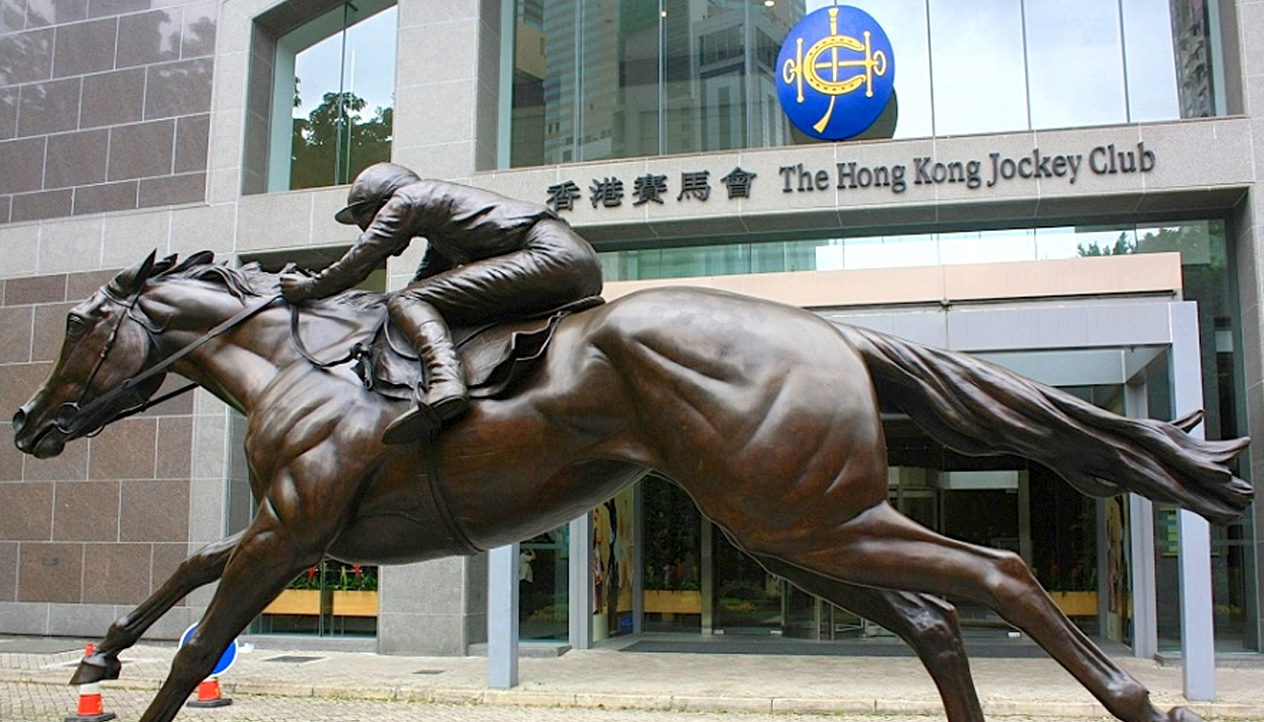
Hong Kong’s Legislative Council has formally passed the Betting Duty (Amendment) Bill 2025, legalizing regulated betting on basketball matches. The vote was overwhelmingly in favour — 77 votes yes, with just two opposed and two abstentions. Under the new law, the Hong Kong Jockey Club (HKJC) will be the sole licensed operator for basketball betting.
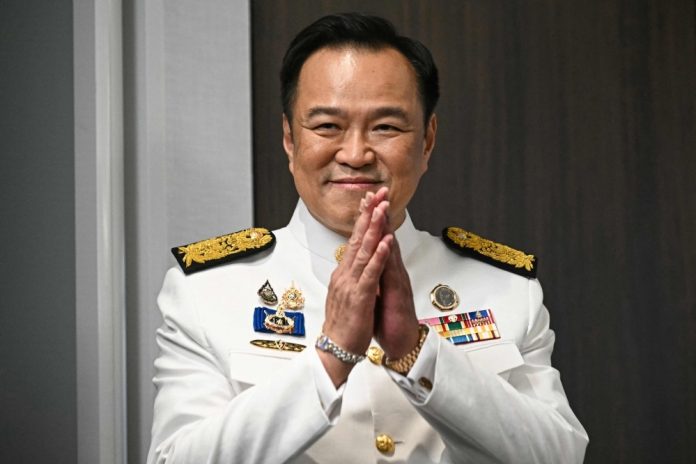
Thailand’s political winds have shifted: with Anutin Charnvirakul ascending to Prime Minister, he has made clear that gambling will not be part of his economic toolkit. Anutin, long seen as a more conservative voice in Thailand’s politics, has rejected proposals that gambling—particularly casino legalization as part of “entertainment complex” bills—be used as a lever to boost tourism, attract investment, or shore up state revenues.
 Author: Janice Chew • Friday, 12/09/2025