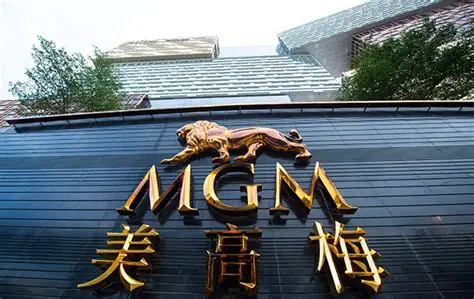
MGM China has acquired MGM Asia-Pacific Ltd from its parent company MGM Resorts International for US$20 million, giving the Macau operator control of a mainland China hotel management business with eight operating hotels and 12 more projects under development.
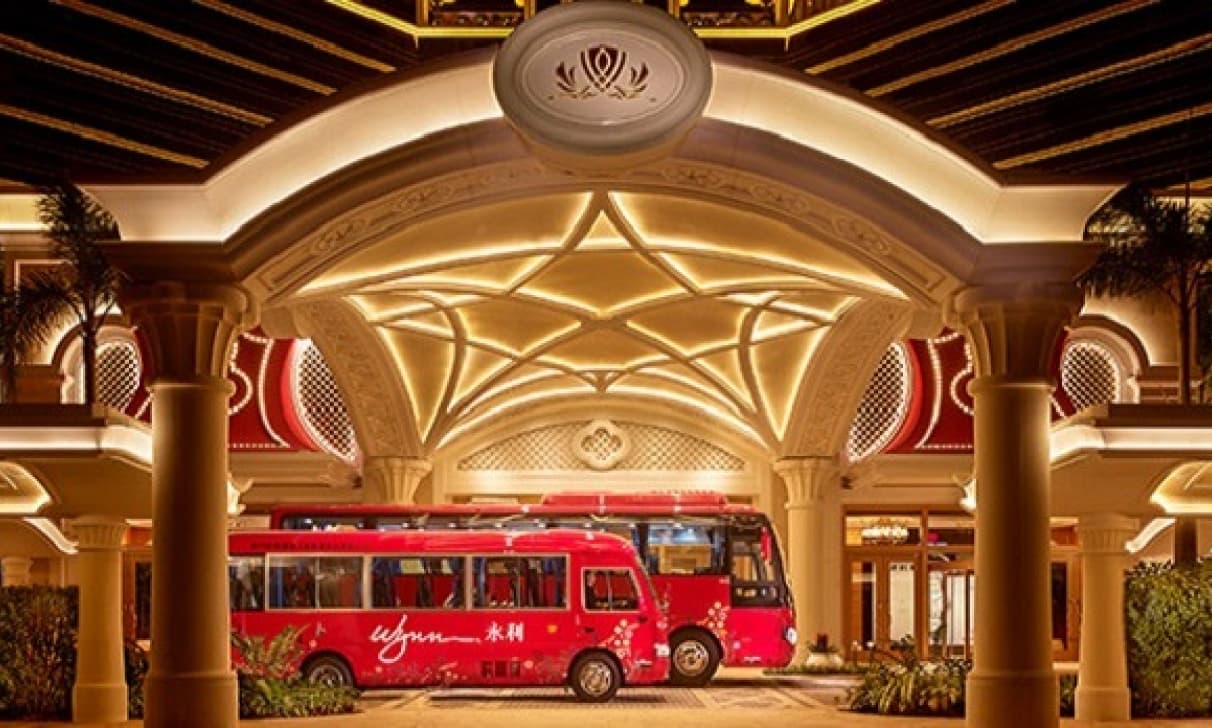
Wynn Macau has entered into a new Resort Marketing Services Agreement with Wynn Marketing (Portugal), a newly established Portugal-based subsidiary under parent company Wynn Resorts.
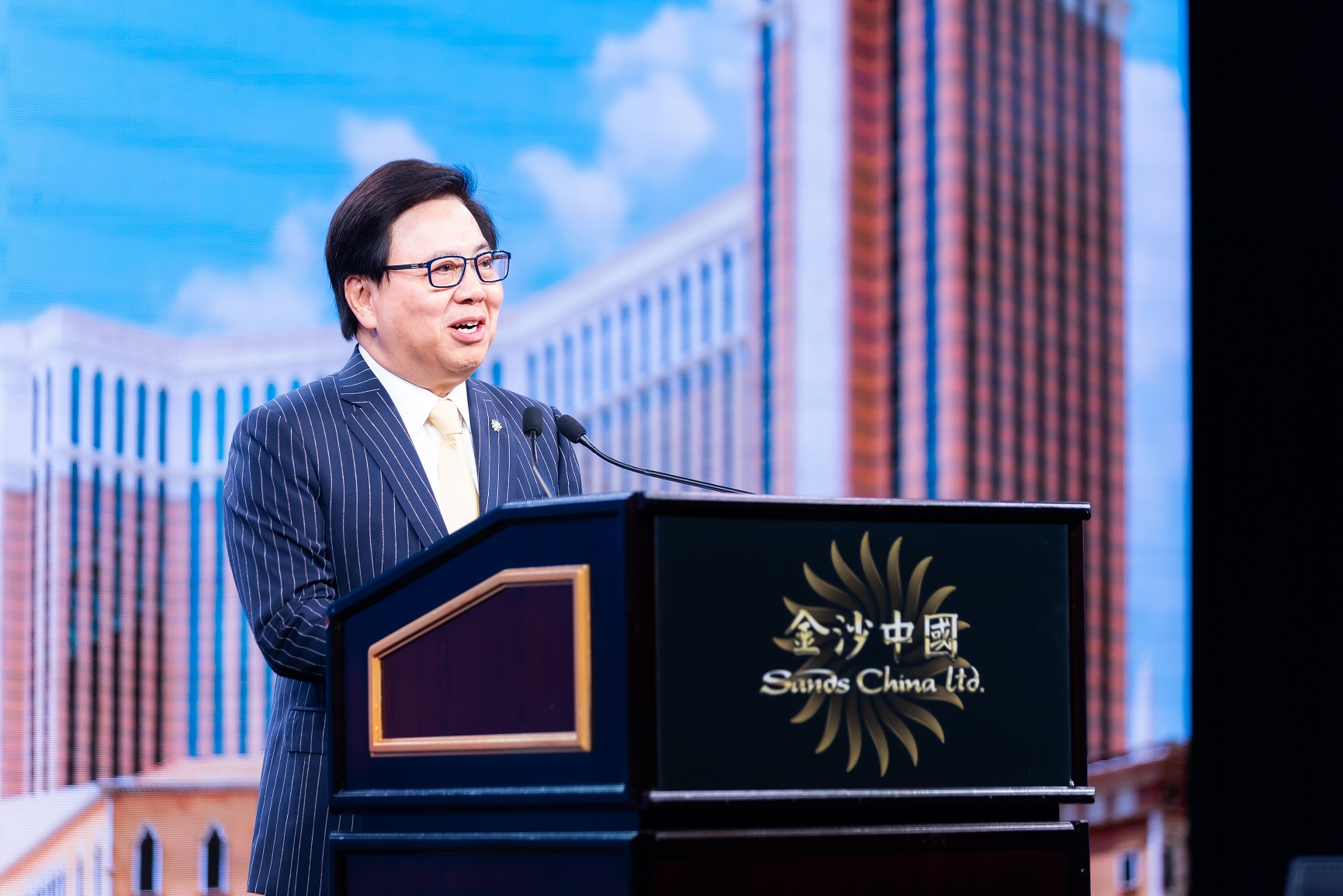
Dr Wilfred Wong, Executive Vice Chairman of Sands China Ltd, has personally donated HK$200,000 to Anima Macau, helping the animal welfare charity manage its urgent financial pressure.

SEGA has partnered with South Korea’s Paradise City to celebrate the 35th anniversary of Sonic the Hedgehog through a limited-time resort experience.
Hong Kong-listed Palasino Holdings has reported stronger revenue for the financial year ended 31 March 2026, supported by the opening of Palasino Mikulov and a greater focus on gaming as its main business.
 Author: Janice Chew • Thursday, 02/07/2026