
 Content Writer: Janice Chew • Wednesday, 26/05/2026 - 21:58:28 - PM
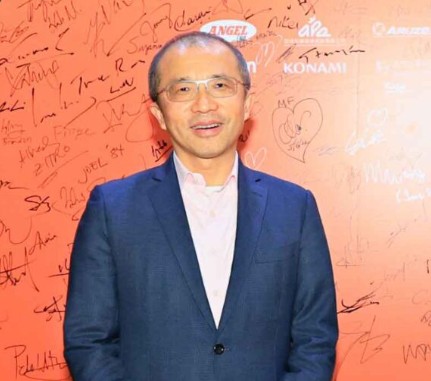
MGM China CEO Kenneth Feng revealed at G2E Asia this week that the company’s premium suite products can generate “up to five times more” yield than a regular hotel room — offering a rare inside look into why Macau operators are aggressively converting hotel inventory into high-end suites.
The comments come as all six Macau concessionaires continue upgrading premium accommodation offerings, even as the city faces record tourism volumes and a reduction in overall hotel room inventory.
Suites Are Becoming Macau’s Most Valuable Real Estate
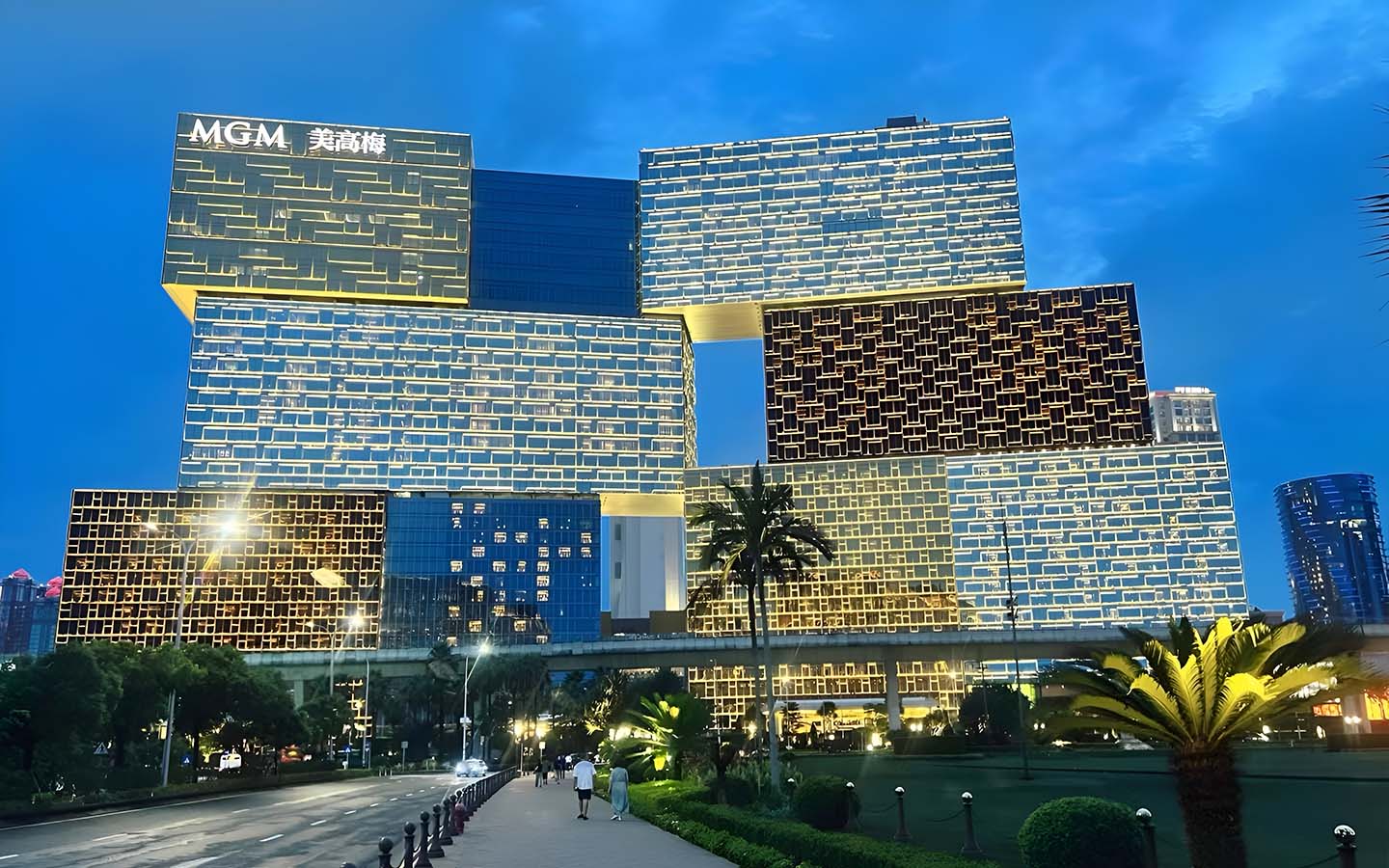
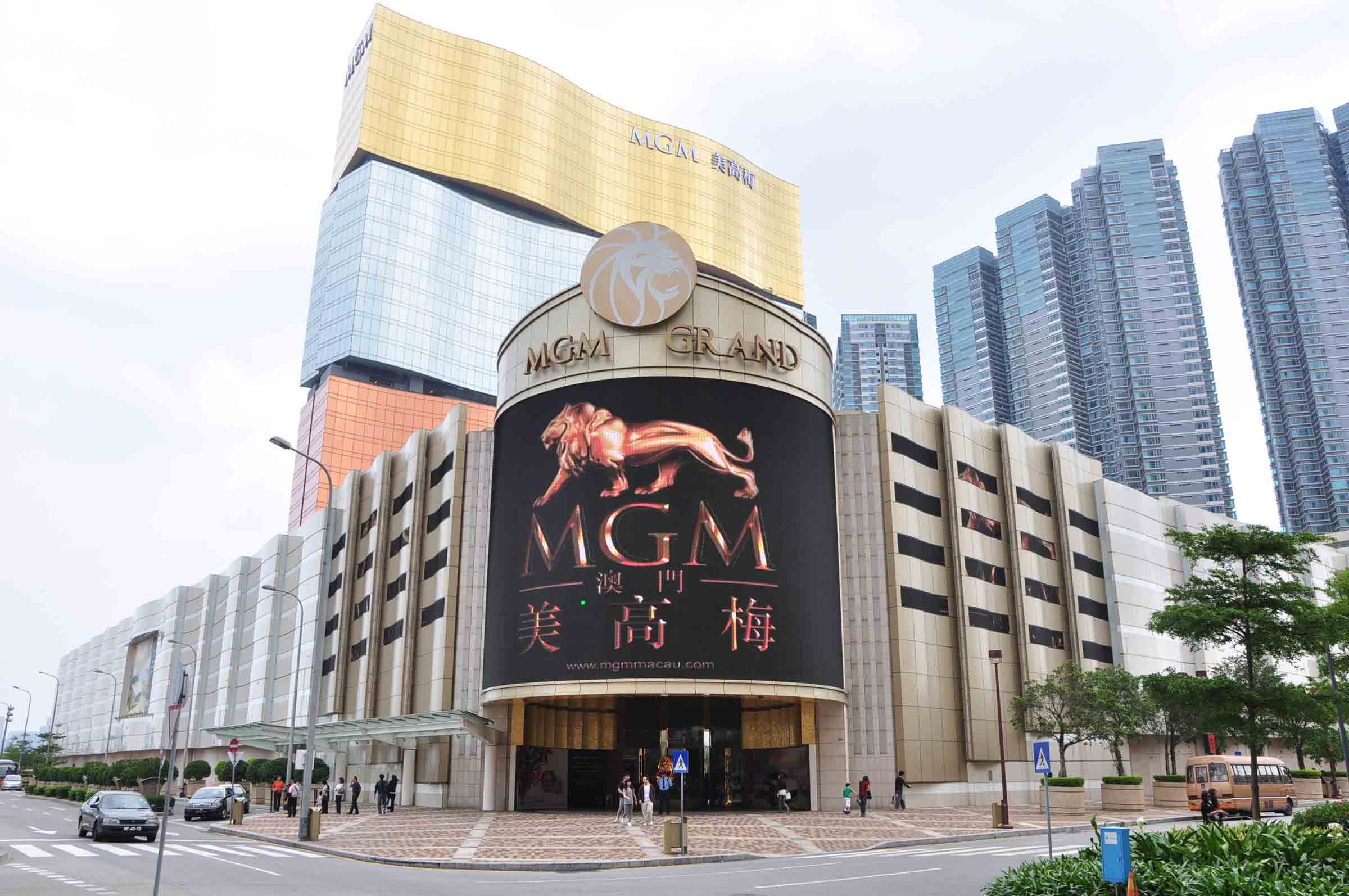
MGM recently launched 63 new suites at MGM COTAI following a year-long room conversion project, with another 100 suites planned for MGM MACAU.
According to Kenneth Feng, the economics behind the strategy are straightforward.
“The yield on a two-space suite is about five times compared to single-space revenue,” Feng explained.
He added that room allocation decisions are heavily tied to player performance and premium customer value.
“We do the calculations on who can get a suite, who can get a better room and it is based on their performance [as a casino player].”
This highlights how luxury suites in Macau are no longer simply accommodation products — they are deeply integrated into premium player development strategies.
The New Macau Strategy: Fewer Rooms, Higher Value
One of the most interesting developments post-COVID is how Macau operators are prioritizing room quality over room quantity.
Despite Macau welcoming a record 40 million visitors in 2025, concessionaires are still reducing hotel key counts in order to create:
- Larger suites
- Premium villas
- Luxury hospitality products
- Higher-yield customer experiences
At first glance, this may seem counterintuitive during a tourism boom. But financially, the math appears compelling.
Kenneth Feng described the strategy as a balancing act between profitability and fulfilling the Macau government’s diversification objectives.
“Macau wants the gaming industry to grow healthily [but] in order to fulfill more non-gaming commitments, of course, we need to be more profitable. It’s a balance.”
Premium Mass Is Driving Everything
Macau’s market today looks very different from the pre-pandemic junket era.
The focus has shifted heavily toward:
- Premium mass players
- Experience-led spending
- Luxury travel
- Non-gaming entertainment
- Integrated hospitality ecosystems
According to Feng, success is not simply about building more suites — it is about creating products that resonate emotionally with premium customers.
“It’s not really the number of suites. It’s about the quality of the suites.”
He added that customers visiting Macau expect something far beyond a traditional business hotel experience.
“We want to make sure what the customers see here is a flow so that when they check into the room, when they come to the floor, what they see is our desire to serve our customers.”
And perhaps the most honest line of all:
“And yes, we want them to play a bit more.”
My Take: Macau Is Quietly Transforming Into a Luxury Ecosystem
The biggest takeaway from Kenneth Feng’s comments is that Macau’s future is increasingly about integrated luxury rather than pure gaming volume.
Gaming remains the core engine, but premium hospitality is becoming one of the industry’s strongest profit multipliers.
Operators are no longer competing solely on gaming floors — they are competing on:
- Suite quality
- Customer experience
- Lifestyle offerings
- Emotional engagement
- Premium retention
MGM China’s post-COVID market share growth — from below 10% to above 16% — shows that understanding premium customer behavior may now matter more than simply adding gaming capacity.
Macau’s next phase may not be defined by bigger casinos, but by who creates the most complete luxury ecosystem around them.