
 Content Writer: Janice Chew • Tuesday, 26/04/2026 - 15:10:19 - PM
South Korea is taking a non-traditional, incentive-driven approach to combat illegal betting—one that could reshape how governments tackle underground gambling ecosystems across Asia.
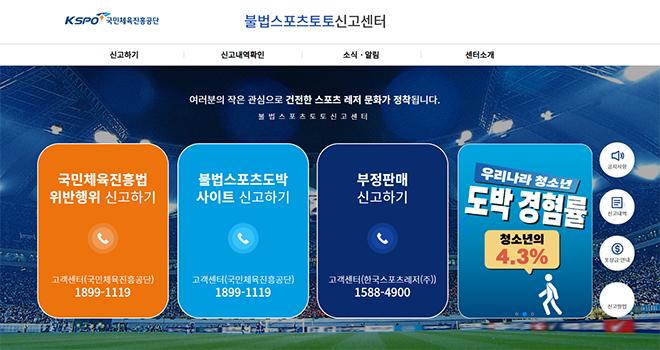
The latest move by Korea Sports Leisure Co. Ltd. introduces a rewards-based reporting system designed to mobilize the public in identifying illegal sports gambling networks.
Turning Citizens into Intelligence Assets
At the core of this initiative is a simple but powerful idea:
Pay people to expose illegal betting networks.
The program operates through the Illegal Sports Toto Reporting Center, allowing reports via:
- Online portal
- Phone submissions
Reports can cover a wide spectrum:
- Illegal gambling websites
- Operators and users
- Promoters, brokers, and facilitators
- Match-fixing activities
Strategic Insight:
This shifts enforcement from centralized policing → decentralized intelligence gathering.

Reward Structure: High Stakes for High-Value Information
The reward scheme is tiered to reflect the severity and value of information:
Top-Tier Rewards
- Up to KRW200 million (~$135,000)
For exposing illegal sports gambling operations
Match-Fixing Intelligence
- Up to KRW50 million (~$33,500)
Specifically targeting Sports Toto-related manipulation
Mid & Lower-Tier Reporting
- Up to KRW15 million (~$10,000)
For: - Promoting or facilitating illegal betting
- Providing systems or sports data
Website Reporting (Micro-Reward Model)
- KRW15,000 (~$10) per site
- Capped at KRW1.5 million (~$1,000) per user
Requirements:
- Verified identity
- URL submission
- Supporting evidence (login/referral details)
Reviewed by the Korea Communications Commission
Bank Account Intelligence
- KRW100,000 (~$67) per case
- No stated cap
This targets the financial backbone of illegal operators—a highly effective disruption strategy.
The Real Challenge: Adaptive Illegal Networks
One critical detail highlights the complexity of enforcement:
Rewards may only go to the first reporter for duplicated sites.
Why?
Because illegal operators:
- Clone websites rapidly
- Use multiple domains
- Rotate infrastructure to evade detection
Industry Insight:
This confirms that illegal betting is no longer just a vice issue—
it’s a tech-driven, highly adaptive digital ecosystem.
Final Take: A Blueprint for Asia?
South Korea is testing a model that could become the new standard:
Incentivize the public
Combine tech + policy
Attack illegal networks at every layer
My Strategic View:
If proven effective, expect this model to spread across Asia—especially in markets struggling with online illegal betting proliferation.
Closing Thought
Illegal betting is no longer just a regulatory issue.
It’s a data, technology, and network problem.
And South Korea just made one thing clear:
The fastest way to fight networks… is to turn everyone into part of the network.