
 Content Writer: Janice Chew • Thursday, 26/05/2026 - 21:16:26 - PM
SJM Holdings reported a net loss attributable to shareholders of HK$62 million (US$7.9 million) for the first quarter of 2026, reversing from a HK$31 million profit recorded a year earlier as the full absence of satellite casino contributions began to weigh on results following the sector’s exit in December 2025.
While the headline numbers reflect the impact of one of the biggest structural shifts in Macau’s gaming industry, the company’s operational performance suggests SJM is adapting more effectively than many expected.
Revenue Declines but Margins Improve
Group-wide gross gaming revenue (GGR) fell 18.8 percent year-on-year to HK$6.14 billion (US$784 million), while net gaming revenue declined 22.8 percent to HK$5.36 billion (US$685 million). Total net revenue dropped 21.1 percent to HK$5.9 billion (US$754 million), with market share adjusting to 9.6 percent from 13.5 percent in the prior-year quarter.
However, the more important signal for investors was the relative stability in profitability metrics.
Adjusted EBITDA slipped just 4.3 percent year-on-year to HK$917 million (US$117 million), while the Group’s Adjusted EBITDA margin improved significantly to 15.5 percent from 12.8 percent previously.
That improvement highlights the impact of SJM’s transition toward a leaner, self-operated model after moving away from the satellite casino structure that had historically defined much of its business.
“In our first full quarter under a self-promoted model, the Group has demonstrated rigorous operational discipline characterized by a significant improvement in efficiency,” said Daisy Ho.
“As we transitioned away from the satellite model, the resulting increase in our Adjusted EBITDA margin reflects a more streamlined and synergistic operating structure,” she added.

Grand Lisboa Palace Continues to Ramp Up
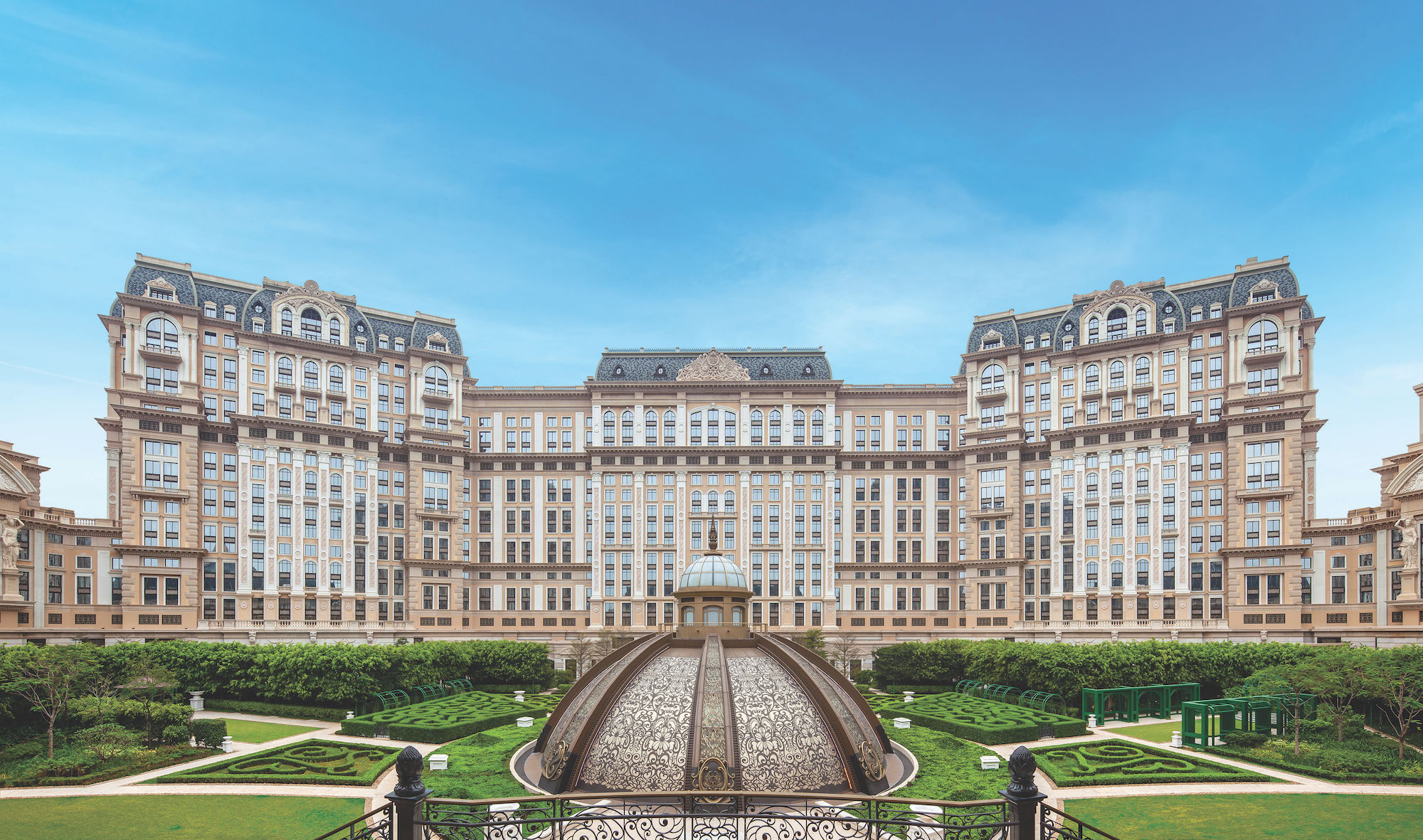
A major bright spot for SJM remains Grand Lisboa Palace, which continued its gradual growth trajectory during the quarter.
The Cotai integrated resort generated total revenue of HK$2.07 billion (US$264 million), up 7.2 percent year-on-year, while GGR rose 11.7 percent to HK$1.75 billion (US$224 million). Non-gaming revenue reached HK$318 million (US$40.6 million).
The property also saw strong improvement in VIP performance:
- Rolling chip volume climbed 26.5 percent to HK$14.18 billion
- Rolling revenue increased 32.7 percent to HK$580 million
The growth suggests SJM’s premium segment enhancements are beginning to gain traction.
However, profitability at the property remains under pressure. Adjusted Property EBITDA at Grand Lisboa Palace declined 61.1 percent year-on-year to HK$58 million (US$7.4 million), largely due to higher operating costs associated with the resort’s ramp-up phase.
Hotel occupancy remained healthy at 94.6 percent, although slightly lower than the exceptionally strong 98.7 percent recorded a year earlier.
Grand Lisboa Macau Provides Stability
Meanwhile, Grand Lisboa continued to provide stable earnings support for the Group.
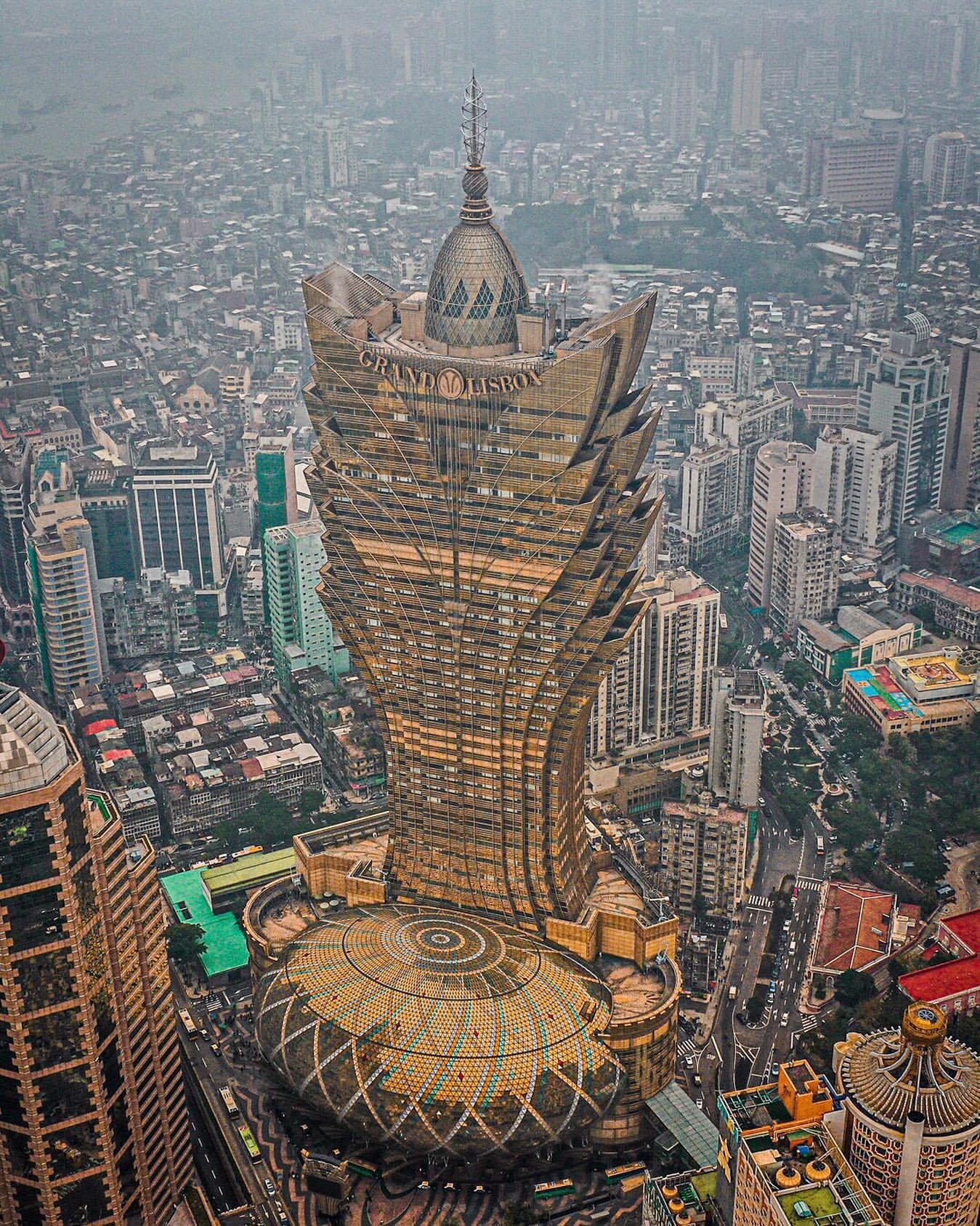
The peninsula flagship generated total revenue of HK$2 billion (US$256 million), with GGR rising 6.7 percent year-on-year to HK$1.92 billion (US$245 million). Adjusted Property EBITDA came in at HK$425 million (US$54.3 million), only slightly below the prior-year level.
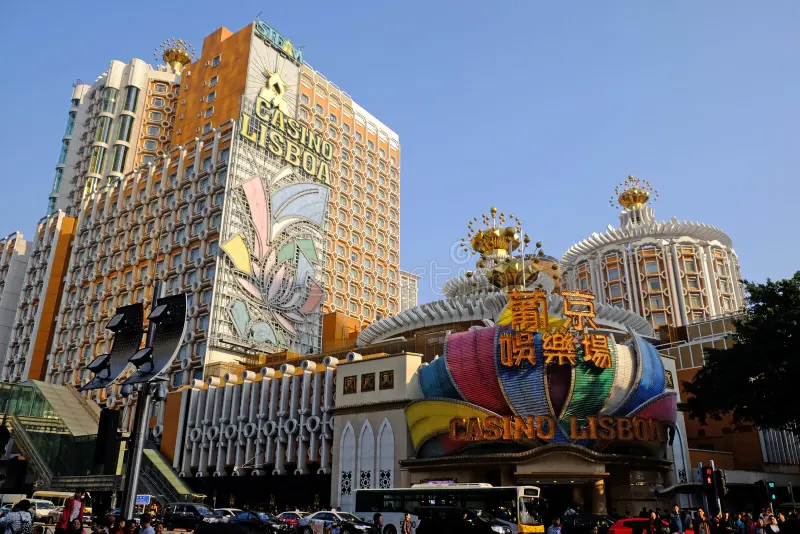
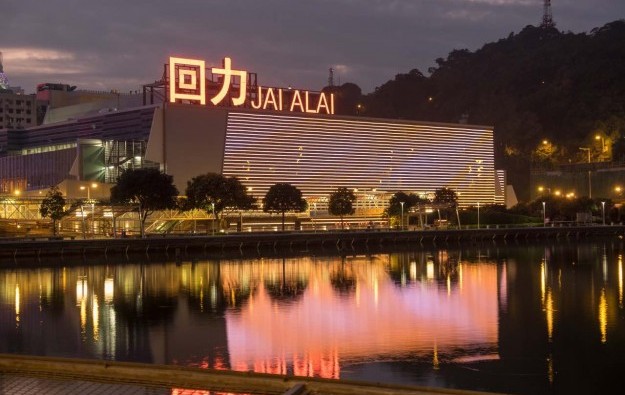
SJM’s “Other Properties” portfolio — including:
- Casino Lisboa
- Casino L’Arc Macau

- Casino Oceanus at Jai Alai
also delivered stronger-than-expected results.
The segment recorded GGR growth of 83.6 percent year-on-year to HK$2.47 billion (US$315 million), supported by the expanded gaming area at Casino Lisboa and the integration of Casino L’Arc Macau into SJM’s self-operated portfolio. Adjusted Property EBITDA for the segment rose 44.4 percent to HK$494 million (US$63.1 million).
A Different SJM Is Emerging
Macau’s gaming industry is entering a fundamentally different era — one less dependent on satellite casinos and junket-driven VIP play, and increasingly focused on:
- premium mass,
- integrated resort experiences,
- entertainment,
- hospitality,
- and operational efficiency.
For SJM, the transition was always expected to create short-term financial pain.
Yet beneath the quarterly loss, there are growing signs that the company is building a more sustainable operating structure centered around its flagship integrated resorts and self-operated gaming portfolio.
The next phase for SJM will likely depend on how effectively it can:
- optimize Grand Lisboa Palace,
- strengthen premium mass visitation,
- improve non-gaming revenue contribution,
- and continue expanding margins under the new operating framework.
While 1Q26 may appear weak on the surface, strategically it may represent one of the company’s most important transition quarters in recent history.