 Content Writer: Janice Chew • Friday, 26/02/2026 - 22:15:40 - PM
Sands China has increased its paid maternity leave from 70 days to 90 days, reinforcing its commitment to employee welfare and family support within Macau’s integrated resort industry.
While this may appear to be a routine HR enhancement, it reflects a broader strategic shift: in today’s premium-driven IR environment, people strategy is business strategy.
Policy Enhancement at a Glance
-
Paid maternity leave extended by 20 days (now 90 days total)
-
Supports work-life balance and employee well-being
-
Strengthens family-friendly workplace positioning
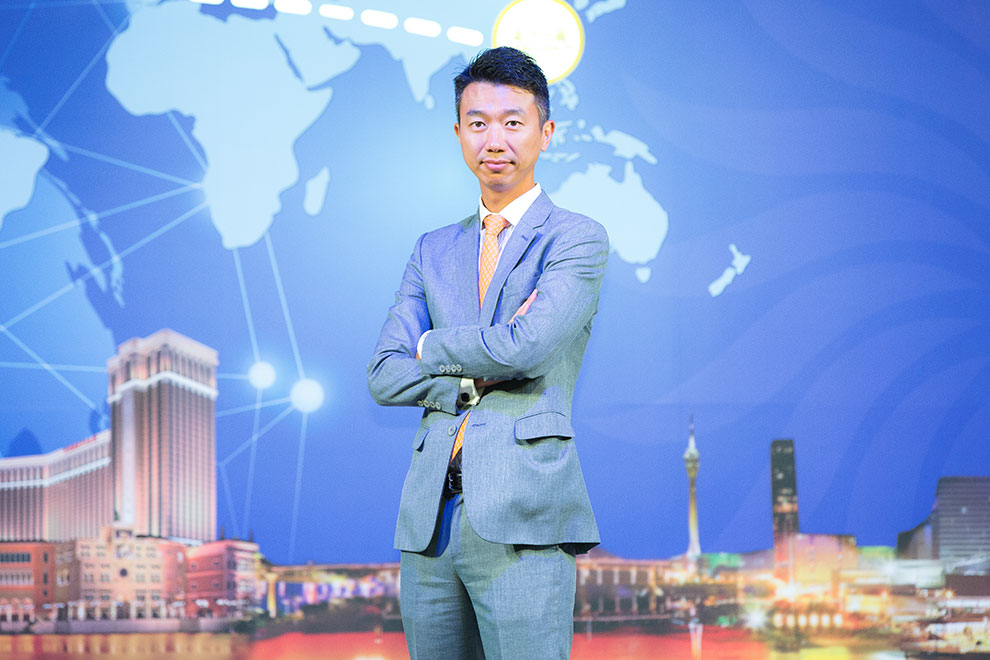
Paulo Cheong, Senior Vice President of Human Resources for Sands China Ltd, said:
“We hope that through this adjustment to paid maternity and paternity leave, employees will have more time to care for and bond with their newborns.
This will also allow postpartum mothers to get more rest, help employees’ families adapt more smoothly to the changes brought by their new lives and build happy and fulfilling families.”
The inclusion of both maternity and paternity leave reflects a holistic approach to family support.
Why This Matters in Macau’s Competitive IR Landscape
Macau’s concessionaires operate in a highly labor-intensive ecosystem, spanning:
-
Gaming operations
-
Luxury hospitality
-
Retail and F&B
-
MICE and entertainment
Service quality directly impacts premium mass performance — now the key earnings driver across the sector.
By enhancing maternity benefits, Sands China strengthens:
-
Employee retention
-
Workforce stability
-
Employer branding
-
ESG positioning
In a market where integrated resort operators compete for both customers and talent, this move signals long-term confidence.
The ESG & Demographic Context
Macau, like many Asian economies, faces demographic challenges including declining birth rates and aging populations.
Enhancing maternity and paternity benefits aligns with:
-
Broader social policy objectives
-
Family-supportive workplace culture
-
Global ESG expectations from institutional investors
Increasingly, IR operators are evaluated not just on GGR growth, but on governance, sustainability, and social responsibility metrics.
Internal Industry Relevance
Macau’s major operators — including:
-
Galaxy Entertainment Group
-
MGM China Holdings
-
Wynn Macau Ltd
are all investing heavily in premium positioning and non-gaming diversification.
But premium positioning relies heavily on consistent service delivery.
Retention of experienced staff reduces:
-
Training and recruitment costs
-
Operational disruption
-
Service inconsistency
HR policy enhancements therefore indirectly support margin protection.
Unique Insight: Human Capital as a Competitive Advantage
Macau’s post-pandemic recovery is increasingly premium-mass driven.
Premium customers expect:
-
Seamless service
-
Multilingual capability
-
Luxury hospitality standards
Workforce stability underpins this experience.
By strengthening family benefits, Sands China reinforces its human capital foundation — which in turn supports premium revenue sustainability.
Strategic Takeaway
This policy adjustment is not merely administrative.
It signals:
-
Confidence in long-term operations
-
Commitment to workforce sustainability
-
Alignment with ESG and social expectations
-
Recognition that talent retention is strategic
As Macau’s IR industry evolves from volume recovery to quality-driven growth, investment in people may prove just as critical as investment in gaming floors or hotel towers.
In today’s premium landscape, competitive advantage often begins behind the scenes — with policies that support the people delivering the experience.