
 Content Writer: Janice Chew • Tuesday, 26/06/2026 - 22:36:15 - PM
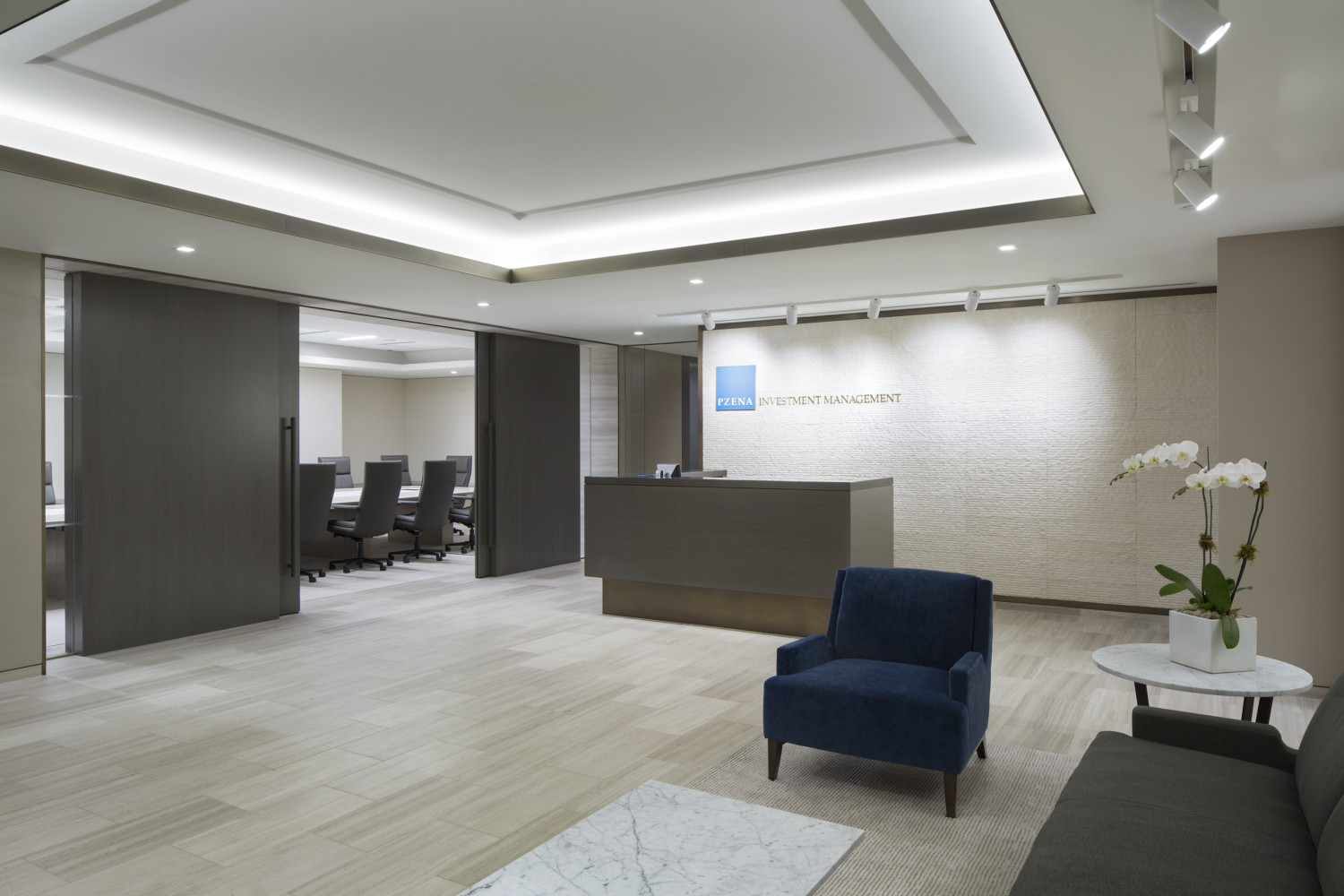
US-based asset manager Pzena Investment Management has increased its stake in Macau casino operator Galaxy Entertainment Group after spending more than US$112 million on two major share purchases.
The move comes while Macau gaming stocks are experiencing weaker investor sentiment, creating an interesting contrast between short-term market caution and long-term institutional investment.
What Happened?
Pzena spent a combined HK$879.77 million, equivalent to approximately US$112.22 million, purchasing Galaxy Entertainment shares in May and June 2026.
On 14 May, the asset manager spent HK$184.16 million to increase its long position from 4.89% to 5.01%. The shares were acquired at an average price of HK$33.81.
Pzena then made a larger purchase on 16 June, spending HK$695.61 million at an average price of HK$30.51 per share.
Following the second transaction, its long position rose from 5.75% to 6.27%, making Pzena a substantial shareholder in Galaxy Entertainment.
Why the Timing Is Important
The purchases came during a period of weakness for Macau gaming stocks.
Galaxy Entertainment closed at HK$29.82 on 22 June, its lowest closing price of 2026 at that point.
Morgan Stanley said Macau gaming shares had underperformed the Hang Seng Index as investors lowered their expectations for sector earnings and anticipated weaker gaming revenue during June and July.
Pzena’s decision to increase its holding during this period may therefore be significant.
The firm has not publicly explained its specific investment thesis for Galaxy Entertainment. However, the purchase appears consistent with Pzena’s broader value-investing approach of identifying established businesses whose market prices may not reflect their long-term earnings potential.
Pzena founder Rich Pzena describes value investing as trying to “buy good businesses when they go on sale.”

Galaxy’s Business Remains Strong
Despite weaker investor sentiment, Galaxy Entertainment continues to report solid operating performance.
In Q1 2026, the company generated net revenue of HK$12.4 billion, representing an 11% year-on-year increase.
Adjusted EBITDA reached HK$3.6 billion, up 8%, while normalised EBITDA increased 21% after adjusting for gaming luck.
Galaxy Macau remained the group’s main earnings contributor, generating HK$10.3 billion in net revenue and HK$3.3 billion in adjusted EBITDA.
The combined occupancy rate across its nine Galaxy Macau hotels reached 99%, while StarWorld Macau recorded 100% occupancy.
These figures show that demand for Macau’s gaming, hospitality and entertainment products remains strong despite short-term concerns affecting listed gaming shares.
A Strong Balance Sheet Creates Flexibility
Galaxy Entertainment also has one of the strongest balance sheets in the Macau casino sector.
As of 31 March 2026, it held HK$39.2 billion in cash and liquid investments. After accounting for debt, the company maintained a net position of HK$36.5 billion.
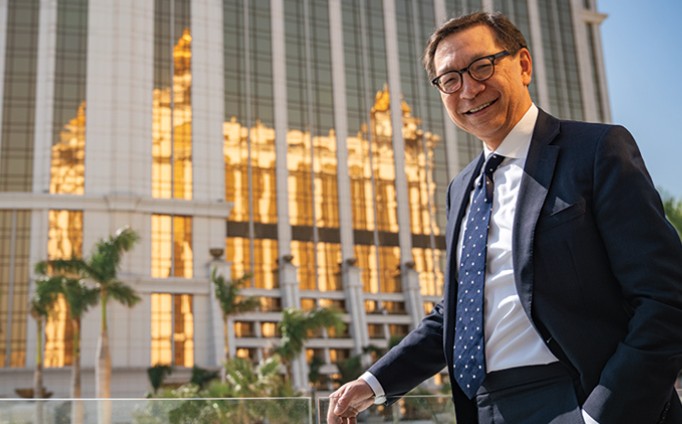
Chairman Francis Lui said this financial strength enables Galaxy to fund its development pipeline, explore overseas opportunities and return capital to shareholders through dividends.
A strong balance sheet is especially valuable in the integrated resort industry, where new developments and property upgrades require substantial long-term capital.
It gives Galaxy the ability to continue investing even when market sentiment or economic conditions become less favourable.
Galaxy Macau Phase 4 Adds Long-Term Potential
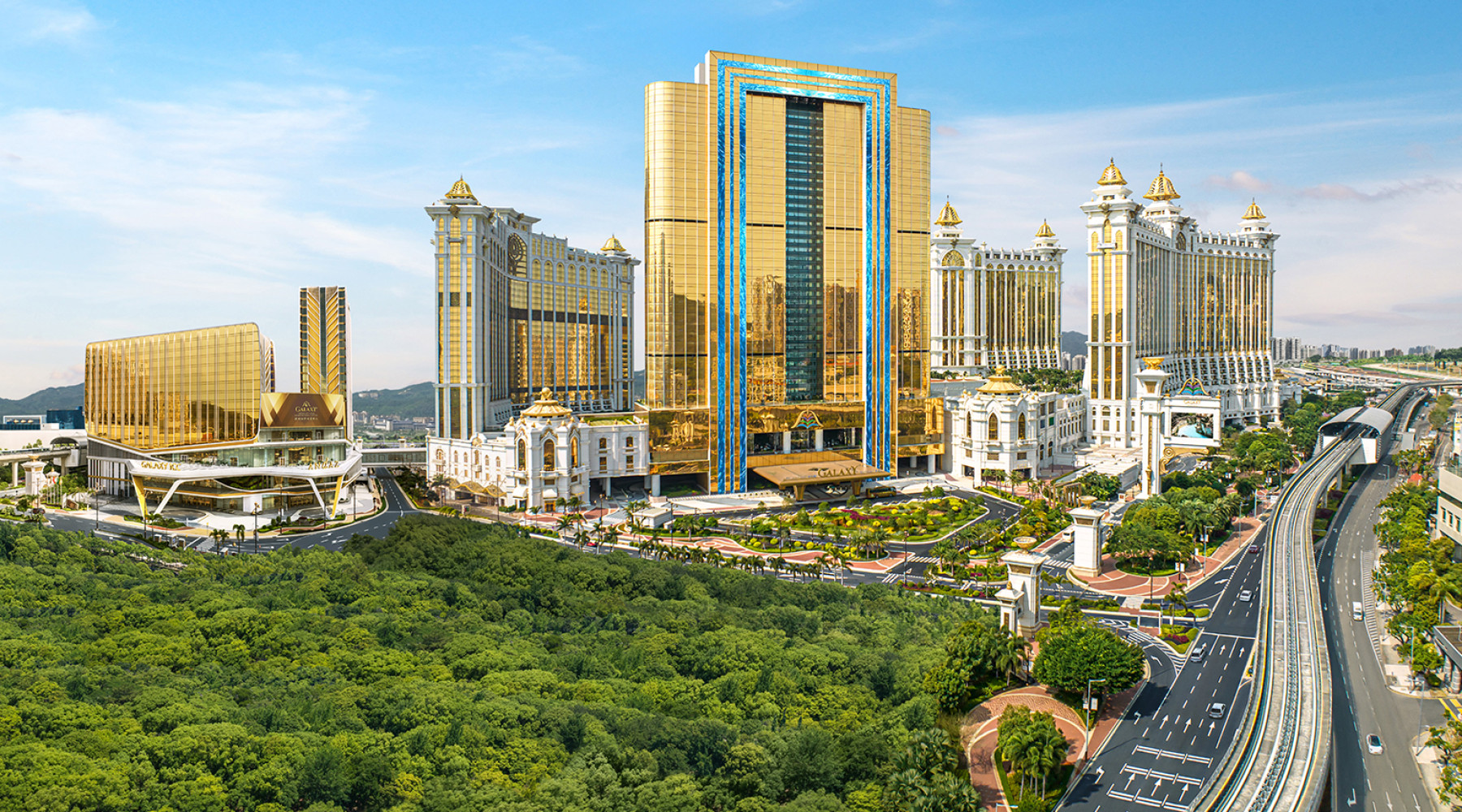
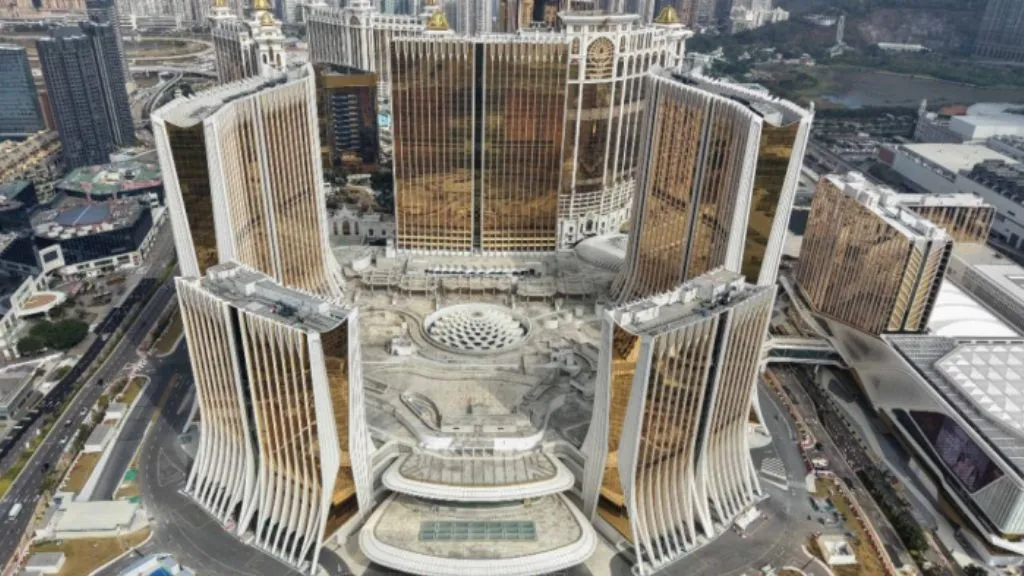
One possible source of long-term value is Galaxy Macau Phase 4, which is targeted for completion in 2027.
The approximately 600,000-square-metre project is expected to include around 1,350 hotel rooms and suites, a 5,000-seat theatre, restaurants, retail space, landscaping, a water resort deck and additional casino facilities.
Francis Lui has described the new amenities as a potential “game changer” for Galaxy’s business.
The development is heavily focused on entertainment, families and non-gaming attractions, supporting Macau’s wider strategy of diversifying beyond casino revenue.
Galaxy is also continuing to ramp up Capella at Galaxy Macau while renovating hotel rooms, gaming areas and food-and-beverage facilities at StarWorld Macau.
The Investor Lesson: Price and Business Performance Can Diverge
The Pzena investment highlights an important market principle: a company’s share-price performance and its operating performance do not always move together.
Gaming stocks can fall because of lower analyst forecasts, seasonal revenue concerns, economic uncertainty or weak market sentiment.
However, institutional investors may focus on a longer time horizon, including:
- Balance-sheet strength;
- Existing cash flow;
- Brand and property quality;
- Future developments;
- Macau tourism growth;
- Dividend capacity; and
- Long-term earnings recovery.
This does not mean the investment is guaranteed to succeed. Macau operators still face regulatory, economic, geopolitical and competitive risks.
However, the purchase suggests that at least one major value-focused investor sees sufficient long-term potential to increase its exposure substantially.
The Marketing Lesson: Non-Gaming Investment Supports Valuation
Galaxy’s future value will depend on more than gaming revenue.
Concerts, sporting events, luxury hotels, dining, retail and conventions are becoming important drivers of visitation and customer spending.
Galaxy hosted more than 80 concerts, entertainment programmes, sporting events and other activities during Q1 2026.
These attractions allow the company to reach broader audiences, encourage longer stays and create more reasons for customers to return.
From a marketing perspective, the strongest integrated resorts are no longer promoting individual casino or hotel products. They are building connected destination ecosystems covering entertainment, accommodation, dining, retail and loyalty.
Original Insight: Pzena May Be Buying the Development Gap
The most interesting aspect of the investment is the gap between Galaxy’s current market price and its future development pipeline.
The market appears focused on near-term concerns such as slower summer gaming growth and lower sector earnings forecasts.
Pzena may be looking further ahead toward the completion of Phase 4, the continued ramp-up of Capella, StarWorld’s renovation and the expansion of Macau’s entertainment economy.
This is an inference rather than a stated explanation from Pzena. However, it fits the asset manager’s publicly stated strategy of investing in companies experiencing problems it believes are temporary rather than permanent.
Final Takeaway
Pzena Investment Management’s US$112 million purchase does not guarantee that Galaxy Entertainment’s share price will recover quickly.
However, it is a notable institutional investment made during a period of weak sentiment toward Macau gaming stocks.
Galaxy continues to deliver revenue growth, strong hotel occupancy and a healthy balance sheet while investing in major new attractions.
The key question is whether the market’s current concerns are temporary or whether they indicate deeper challenges for Macau’s casino sector.
Pzena’s increased stake suggests the value-focused asset manager may believe Galaxy’s long-term business potential is stronger than its current market valuation implies.