
 Content Writer: Janice Chew • Tuesday, 25/12/2025 - 18:53:12 - PM
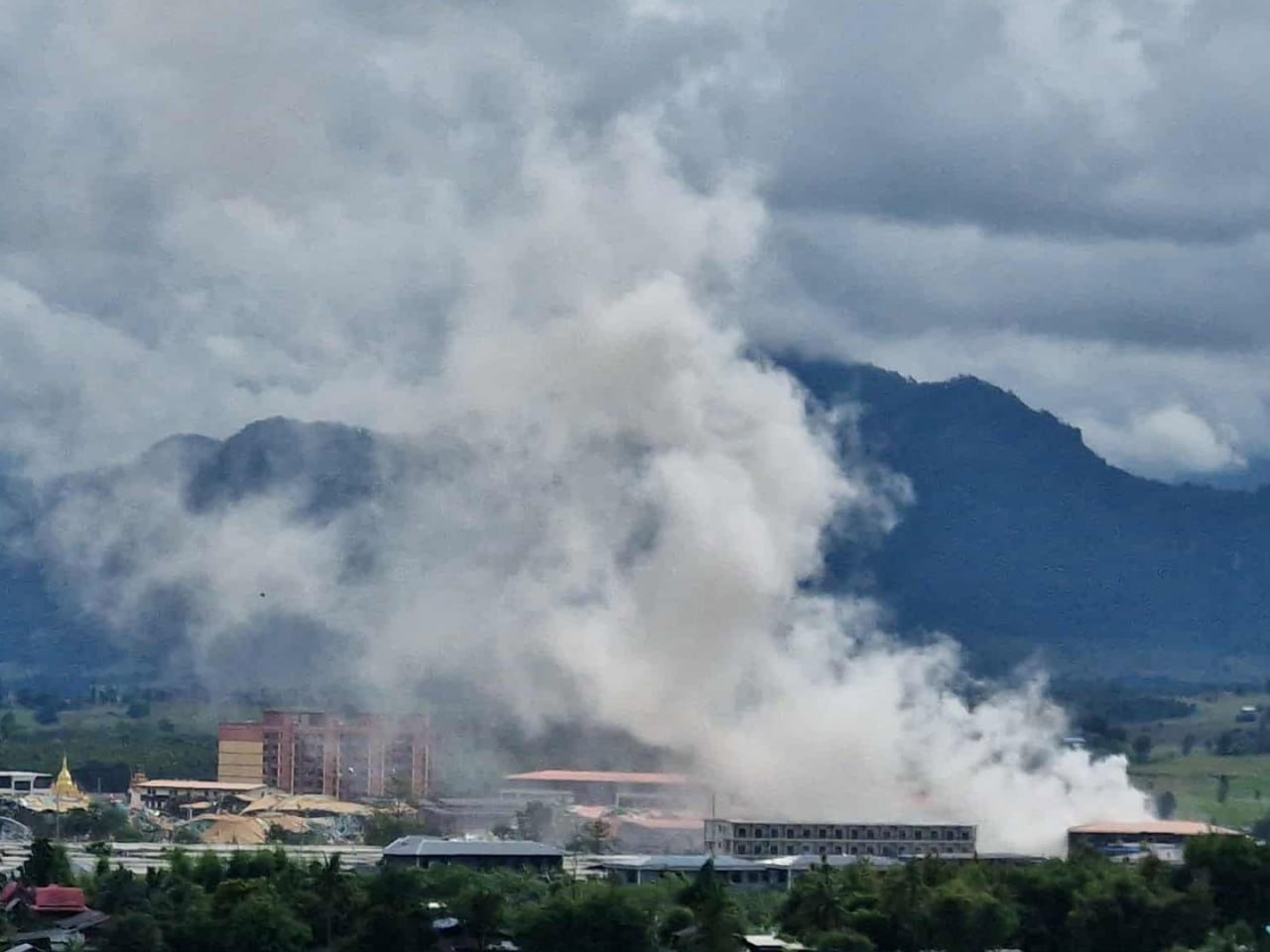
Myanmar authorities have demolished 333 illegal buildings inside the notorious KK Park complex near Myawaddy. KK Park has long been identified as one of Southeast Asia’s hubs for scam compounds, online gambling syndicates, and human-trafficking operations linked to cross-border criminal networks. The large-scale demolition marks one of the most visible enforcement actions undertaken by the Myanmar junta since announcing renewed efforts in late 2024 to curb criminal activity in the border region.
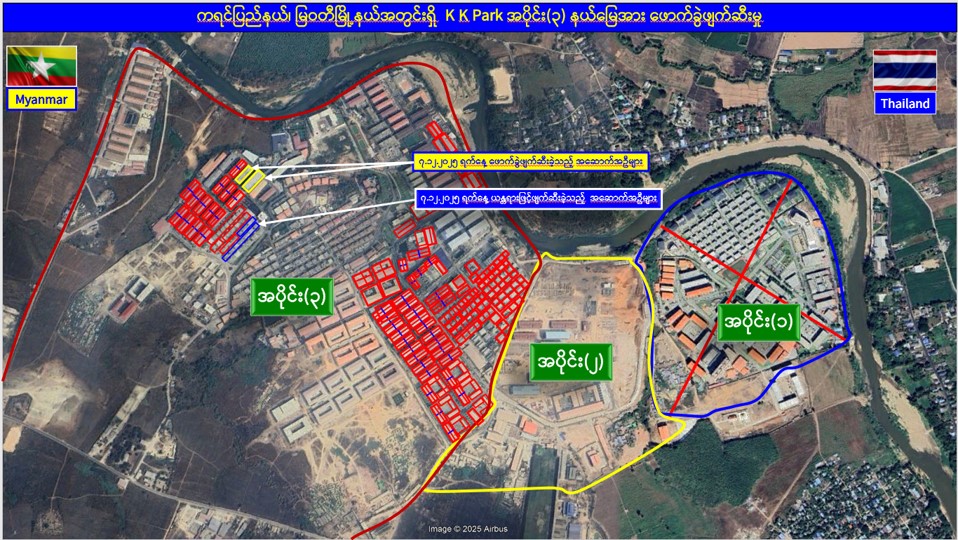
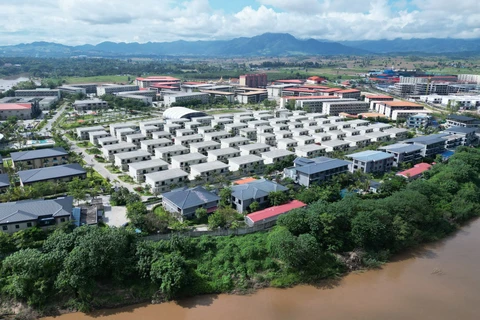
Officials said the destroyed structures included casino hubs, worker dormitories, makeshift offices for fraudulent call-centre operations, and logistics warehouses. The operation followed weeks of pressure from Thailand and China, which have expressed growing concern about the proliferation of scam centres along Myanmar’s eastern frontier. Satellite imagery indicates that KK Park had expanded rapidly in recent years, becoming a self-contained criminal enclave shielded by armed groups and corrupt local administrators.
The crackdown is also tied to intensified joint investigations with Thai authorities. Thailand has mounted a parallel effort along the Mae Sot border area to intercept trafficked victims and disrupt financial flows feeding these illicit compounds. The Thai police have repeatedly said that thousands of victims from China, Malaysia, Singapore, and other neighbouring countries have been lured into Myanmar by false job advertisements promising high-paying tech or customer service roles. Many ended up working under coercion in online fraud operations run from KK Park.
Despite the demolition, analysts caution that dismantling physical structures does not guarantee the dismantling of criminal networks. The organized syndicates often relocate operations to nearby zones within Karen State or across the river into Thailand or Laos. The fragmented governance environment—where armed factions, militia groups, and the military all exert influence—continues to complicate sustained law-enforcement outcomes. Without long-term regional cooperation, crackdowns risk becoming temporary disruptions rather than structural solutions.
Still, the destruction of 333 buildings marks a symbolic and practical shift, signalling Myanmar’s recognition that criminal enclaves have become an international liability. For regional governments, the move provides cautious optimism that multinational pressure—particularly from China’s anti-scam initiatives—may be compelling Myanmar to engage more seriously in coordinated enforcement. Whether this action represents the beginning of a sustained cleanup or a one-off gesture remains to be seen, but observers agree that KK Park’s partial dismantling is one of the most significant anti-crime operations conducted in Myanmar’s border regions in several years.