
 Content Writer: Janice Chew • Friday, 26/04/2026 - 22:47:28 - PM
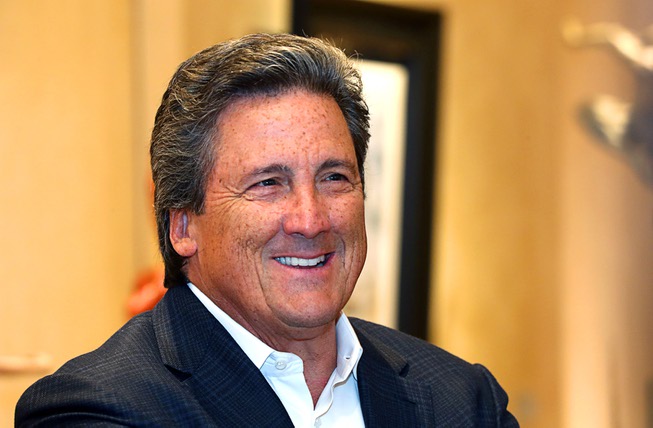
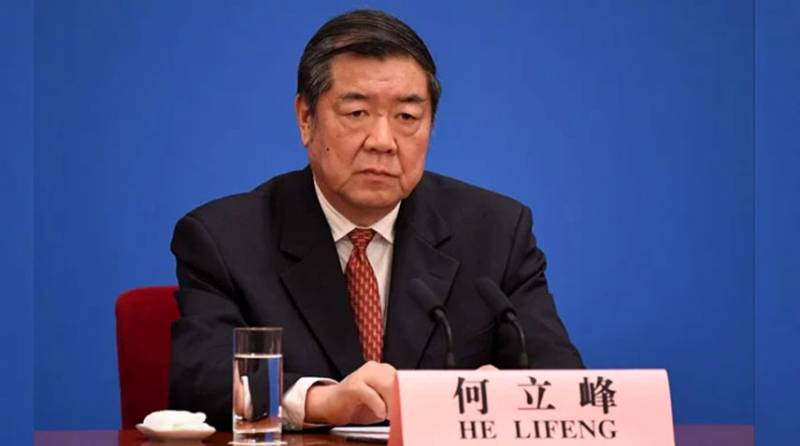
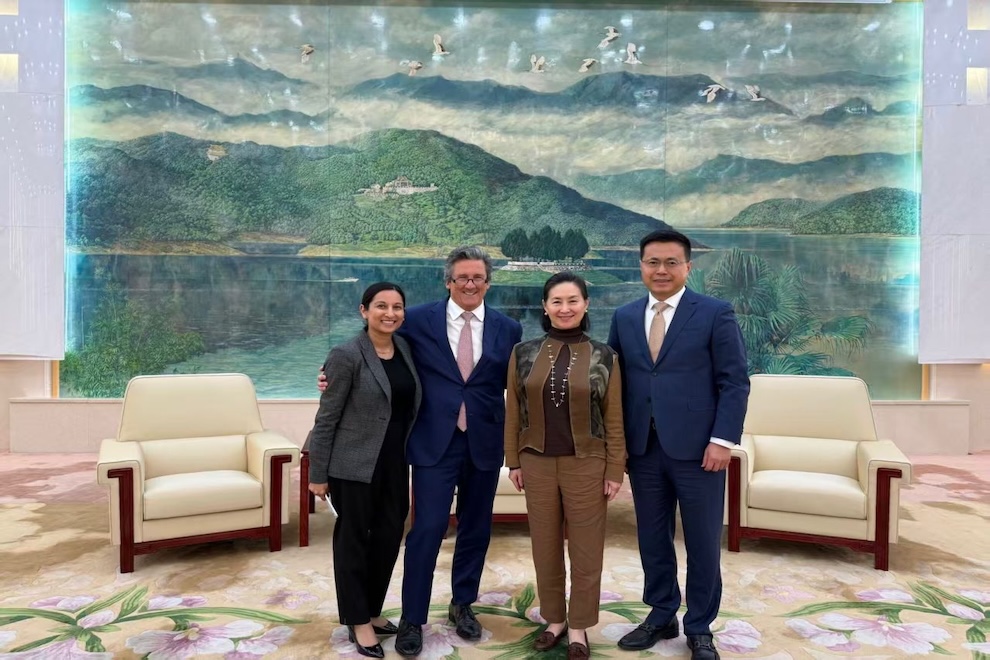
The recent high-level meeting between Bill Hornbuckle and China’s Vice Premier He Lifeng in Beijing highlights a powerful shift in the global gaming industry — where tourism diplomacy is emerging as a critical driver of growth.
But this wasn’t just a courtesy visit. It was a strategic alignment between government and one of the world’s leading integrated resort operators.
A High-Level Meeting With Strategic Intent
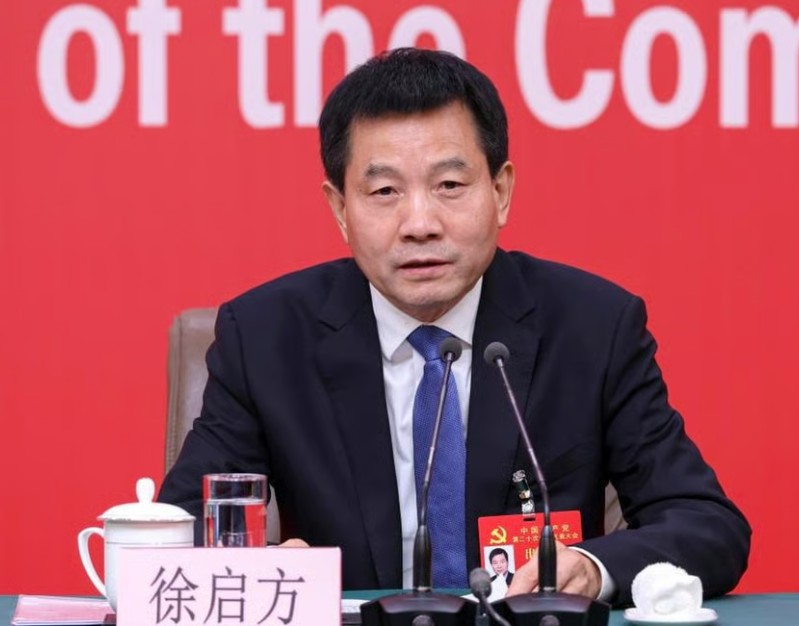
According to MGM Resorts International, Hornbuckle met with Vice Premier He Lifeng and Xu Qifang, Deputy Director of the Hong Kong and Macau Affairs Office, to discuss bilateral tourism cooperation.
In his statement, Hornbuckle emphasized:
“The continued importance of supporting bilateral tourism, including expanding travel beyond major cities and leveraging major cultural, entertainment, and sporting events to drive engagement.”
This signals a shift beyond traditional tourism hubs, opening new demand corridors across China and international markets.
A Unified Industry Front: MGM’s China Strategy
The meeting wasn’t a solo effort — it represented a coordinated strategy across MGM’s China ecosystem.
Key attendees included:
- Pansy Ho
- Fred Zhou (President of China hospitality, MGM Resorts)
- Kenneth Feng
Hornbuckle reaffirmed MGM’s long-term vision:
Delivering high-quality experiences rooted in local culture while meeting the expectations of global travellers.
This is particularly important for MGM China Holdings, where success depends on balancing:
- Chinese cultural integration
- International luxury standards
- Evolving premium mass demand
Beyond Macau: Mainland China Expansion Play
The discussion also highlighted the role of Diaoyutai MGM Hospitality, a joint venture between MGM and China’s state-owned Diaoyutai State Guesthouse.
This venture is actively:
- Developing luxury hotels across mainland China
- Bridging state-backed hospitality with global brand standards
This positions MGM not just as a casino operator, but as a full-spectrum hospitality and tourism partner within China’s ecosystem.
Tourism as an Economic Catalyst
One of the most important takeaways from the meeting:
Tourism is a “catalyst for broader economic activity.”
This reflects how governments increasingly view integrated resorts:
- Not just as entertainment venues
- But as economic engines driving jobs, retail, events, and infrastructure
In Macau alone:
- Gaming drives the core
- But tourism fuels the entire ecosystem
The Bigger Industry Trend: Policy-Driven Growth
This meeting underscores a key reality:
The next growth wave in gaming will be policy-driven, not just market-driven
Across Asia and globally, we are seeing:
- Governments actively shaping tourism flows
- Strategic partnerships with operators
- Increased focus on cultural and experiential tourism
For operators like MGM, this means:
✔ Stronger government alignment = long-term stability
✔ Better positioning for future concessions
✔ Access to expanding travel markets
Final Take
The Beijing meeting is a clear signal:
- Tourism is back — but smarter and more strategic
- Governments and operators are aligning more closely than ever
- Integrated resorts are becoming national economic assets
And in this new era, success won’t just depend on gaming floors…
It will depend on how well operators plug into global tourism flows, policy direction, and cultural experiences.