
 Content Writer: Janice Chew • Thursday, 26/04/2026 - 15:32:20 - PM
MGM China is doubling down on a clear message to the market: growth in Macau is no longer about scale — it’s about precision.
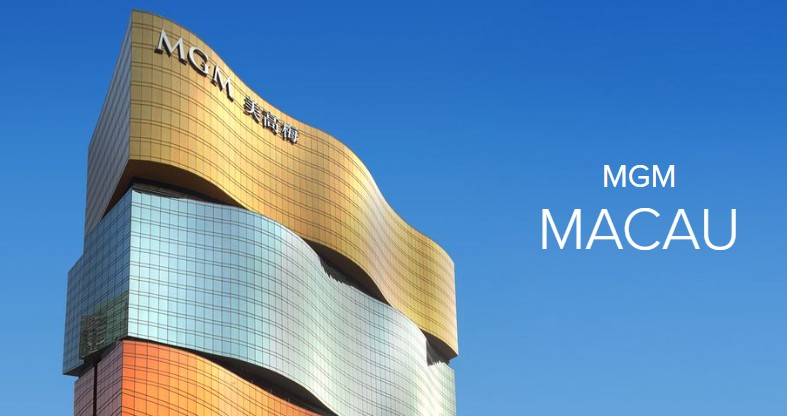
The company has outlined its belief that quality, not quantity, is the key to sustaining and expanding market share, alongside plans to renovate around 100 suites at MGM Macau. This move is designed to align its peninsula property with the elevated product standards already seen at MGM Cotai.
The Core Thesis: Market Share Is Won Through Experience, Not Supply
During the 1Q26 earnings call of MGM Resorts International, CEO Kenneth Feng made a critical point:
“The Macau market is a premium-driven market… it’s not purely about quantity. It’s more about quality.”
.webp)
This is not just positioning — it’s a fundamental shift in operating philosophy.
Meanwhile, MGM Resorts CEO Bill Hornbuckle noted that MGM China remains “under-suited”, even after gaining significant market share post-COVID — highlighting a structural gap in premium inventory.
There is still unmet demand at the top end of the market.
.jpg)
Product Strategy in Motion: Suites, Space, and Segmentation
MGM China is executing this strategy across multiple fronts:
1. Premium Suite Expansion
- Newly launched premium mass suites at MGM Cotai
- Described as “unique, different, refreshing and cozy” — a product not previously seen in Greater China
- Now moving into design phase for 100 renovated suites at MGM Macau
.jpg)
.jpg)
2. Gaming Floor Reinvention
- Launch of 40,000 sq ft premium gaming space
- 40 tables + 15 private rooms
- Timed ahead of peak demand during May Day Golden Week
.jpg)
3. Integrated Experience Upgrade
- Enhancements to gaming spaces + F&B outlets
- Focus on creating targeted environments for premium guests, not generic resort offerings
Why This Matters: Premium Mass Is the New Engine
MGM’s approach confirms what many industry insiders already know:
| Segment | Status Today |
|---|---|
| VIP Junkets | Structurally reduced |
| Mass Market | Stable but competitive |
| Premium Mass | Primary growth driver |
Feng emphasized that:
Products must be “meaningful, effective and targeted to premium customers.”
This is hyper-segmentation in action — not all guests are equal, and MGM is designing specifically for high-value players.
Market Reality Check: Share Movement Tells the Story
- Quarterly market share: 15.4%
- March & April: 17.3% sustained
This rebound signals:
- Strong customer reception to new premium offerings
- Early validation of MGM’s reinvestment strategy
Hidden Advantage: Speed as a Competitive Edge
One of the most underrated insights from Feng’s commentary:
MGM China has built a culture that enables rapid response to changing customer tastes.
This is huge.
In a market where:
- Customer preferences evolve quickly
- Competitors are aggressively reinvesting
Speed of execution becomes a strategic moat
Strategic Insight: Capex Is Now Customer-Centric
Feng framed reinvestment clearly:
“Reinvestment, capex, product, service are all in one package.”
This is a powerful shift.
Old Model:
- Build → Fill → Optimize
New Model:
- Understand customer → Design experience → Monetize
Capex is no longer infrastructure-driven — it’s customer-behavior driven
What This Means (Beyond Gaming)
This trend has implications far beyond casinos — especially for tech, CRM, and product design:
1. Personalization Is King
Premium customers expect:
- Tailored offers
- Predictive service
- Seamless journeys
Opportunity: AI + CRM + behavioral analytics
2. Physical Spaces = Product Design
Suites are becoming:
- Private gaming hubs
- Social spaces
- Experience platforms
Exactly like:
Designing an app UI — but in real life
3. Fewer Users, Higher Value
New KPI model:
- Revenue per guest
- Lifetime value
- Experience ROI
Final Take: MGM Is Engineering Demand, Not Chasing It
MGM China’s strategy is not reactive — it’s intentional.
They are:
- Identifying the most valuable customers
- Designing products specifically for them
- Scaling experience, not volume
The message is simple:
“We don’t need more players — we need the right players.”