 Content Writer: Janice Chew • Friday, 26/05/2026 - 16:09:08 - PM
Mario Ho — son of the late Stanley Ho, Chairman of NIP Group and co-owner of the Boston Celtics — has laid out an ambitious vision for Macau’s future, calling for the city to pivot away from overreliance on traditional gaming toward a broader “Sports Plus” economy.
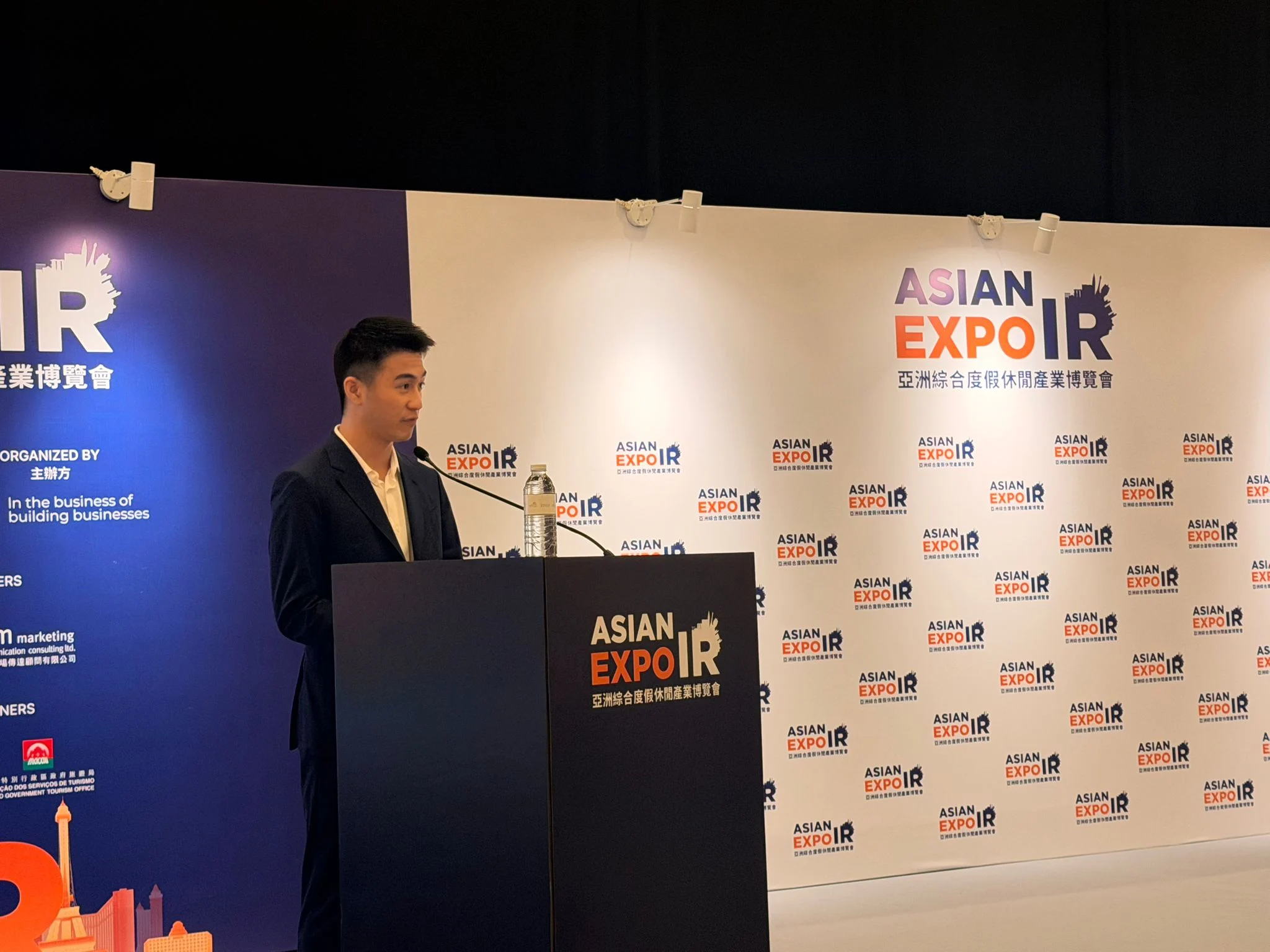
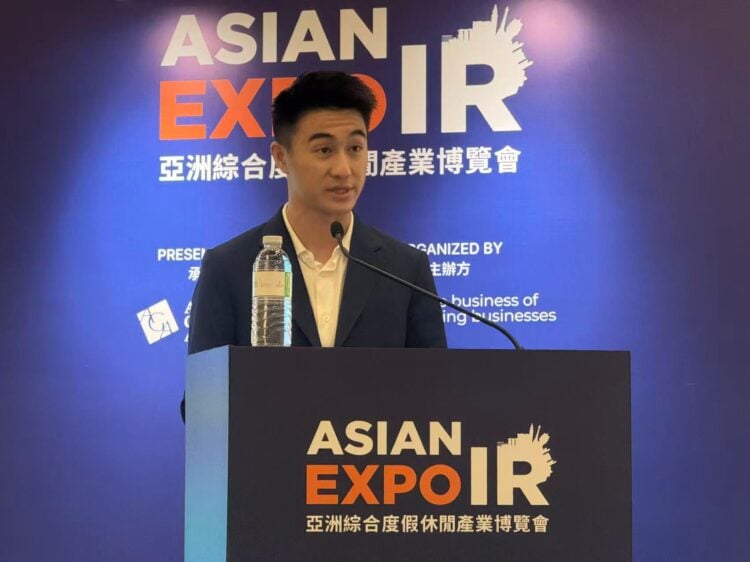
Speaking during a keynote address at the Asian IR Expo, part of the G2E Asia gathering at The Venetian Macao, Ho argued that sports, esports, entertainment and technology could become the foundation of Macau’s next growth cycle.
At the center of his argument was a simple but powerful idea:
“Sports breaks down barriers that politics, business and traditional media simply cannot.”
Ho believes Macau now faces a defining moment where it must diversify beyond gaming as its sole economic engine.
“Sports Plus” Is Bigger Than Sports
One of the most important aspects of Ho’s proposal is that “Sports Plus” is not purely about athletic competition.
Instead, it is an ecosystem model combining:
- sports,
- esports,
- tourism,
- culture,
- entertainment,
- technology,
- exhibitions,
- hospitality,
- and innovation.
Ho described sports as a “global language without borders,” highlighting how major global events create emotional connection, tourism demand and international visibility in ways few industries can achieve.
He specifically pointed to:
- the FIFA World Cup,
- the Olympics,
- Formula One,
- the Super Bowl,
- and international esports tournaments
as examples of global events capable of filling hotels, driving retail spending, boosting dining revenue and elevating host city branding worldwide.
This reflects a much broader strategic vision than simply hosting occasional events.
Why Esports Could Become Central to Macau’s Transformation
As Chairman of NIP Group and a long-time advocate of esports development, Ho also emphasized the growing influence of esports in global youth culture.
He argued that esports today is no longer niche entertainment but a mainstream digital ecosystem driven by:
- livestreaming,
- social media,
- arena events,
- creator culture,
- and global online communities.
This is strategically important because esports creates year-round engagement rather than isolated tourism spikes.
Unlike traditional gaming tourism, esports ecosystems continuously generate:
- digital audiences,
- sponsorship opportunities,
- media rights value,
- youth engagement,
- and international brand visibility.
For Macau, this opens the possibility of expanding beyond its traditional casino-centric identity into a broader entertainment and digital lifestyle destination.
Macau Already Has the Infrastructure Advantage
One of Ho’s strongest points was that Macau may already possess many of the ingredients necessary to succeed.
According to him, the city benefits from:
- world-class integrated resorts,
- luxury hospitality infrastructure,
- strong cross-border transportation links,
- government support,
- and strategic positioning within the Greater Bay Area.
He noted that Macau sits within a four-hour flight radius of more than two billion people — an enormous potential tourism catchment area.
Importantly, Ho suggested the issue is no longer infrastructure capability, but strategic conviction.
“What Macau needs now is conviction … to reduce our dependence on traditional gaming as a single engine of growth.”
That statement directly addresses one of Macau’s largest long-term economic questions.
The Global Competition Is Intensifying
Ho also referenced cities such as:
- Shanghai,
- Singapore,
- Abu Dhabi,
- Riyadh,
- and Las Vegas
as examples of destinations that have successfully used sports and entertainment investments to transform their global positioning.
This comparison is highly relevant because Asia’s tourism and integrated resort landscape is rapidly evolving.
Emerging IR markets such as Thailand and Japan are preparing their own long-term entertainment and tourism ecosystems. Macau therefore faces increasing pressure to diversify and modernize its identity beyond casinos alone.
The Future Integrated Resort Model
Perhaps the most interesting aspect of Ho’s vision was his suggestion that future integrated resorts should evolve into fully connected entertainment-industrial ecosystems.
He described a future where IRs combine:
- professional sports arenas,
- esports studios,
- exhibition spaces,
- cultural venues,
- innovation hubs,
- and data-connected entertainment environments.
This reflects a significant evolution of the integrated resort concept itself.
Instead of gaming simply being the core attraction, gaming would become one component within a much larger lifestyle and entertainment platform.
The Bigger Picture: Macau’s Identity Shift
Mario Ho’s speech ultimately reflects a broader reality facing Macau today.
The city’s future growth may increasingly depend not only on gaming revenues, but on its ability to become a diversified entertainment economy capable of attracting:
- younger demographics,
- international events,
- premium tourism,
- digital audiences,
- and global lifestyle brands.
His closing statement captured that urgency clearly:
“The question is no longer when Asia will lead the next decade of global sports. The real question is, which city and which operator will move first?”
For Macau, the race to redefine itself beyond gaming may already have begun.