
 Content Writer: Janice Chew • Friday, 26/05/2026 - 16:12:24 - PM
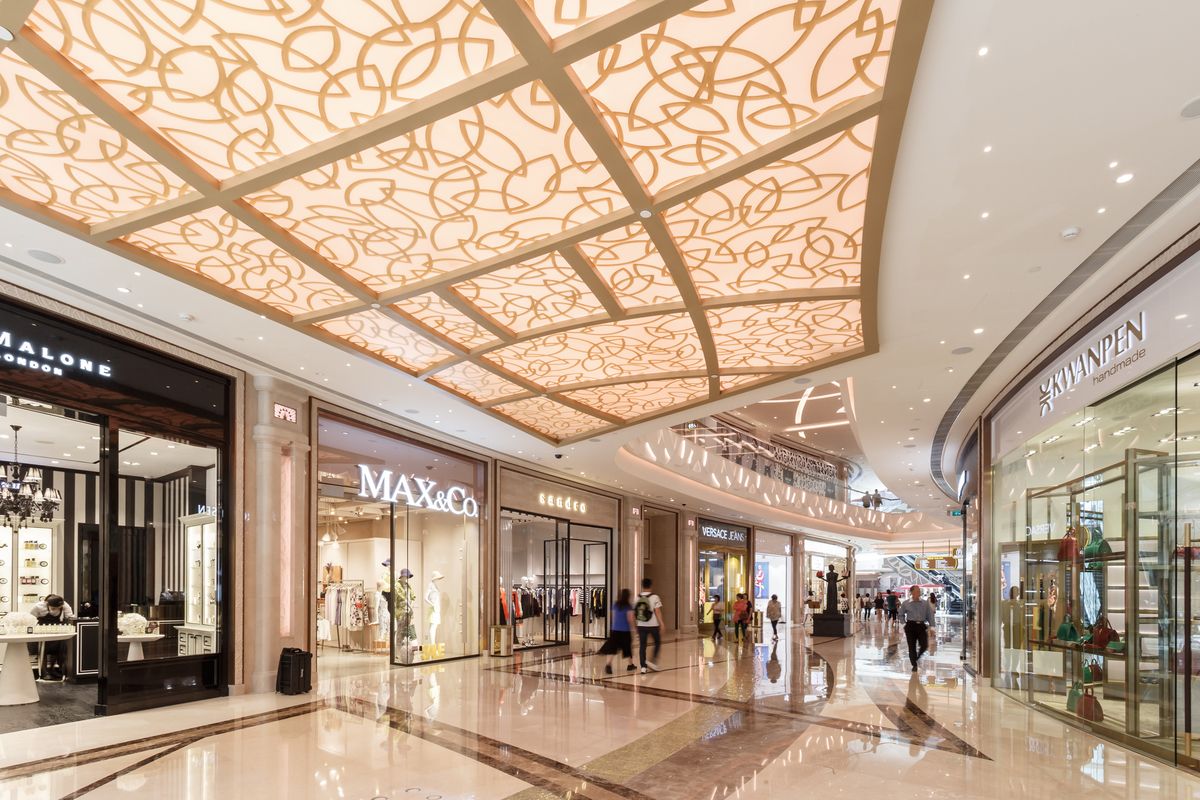
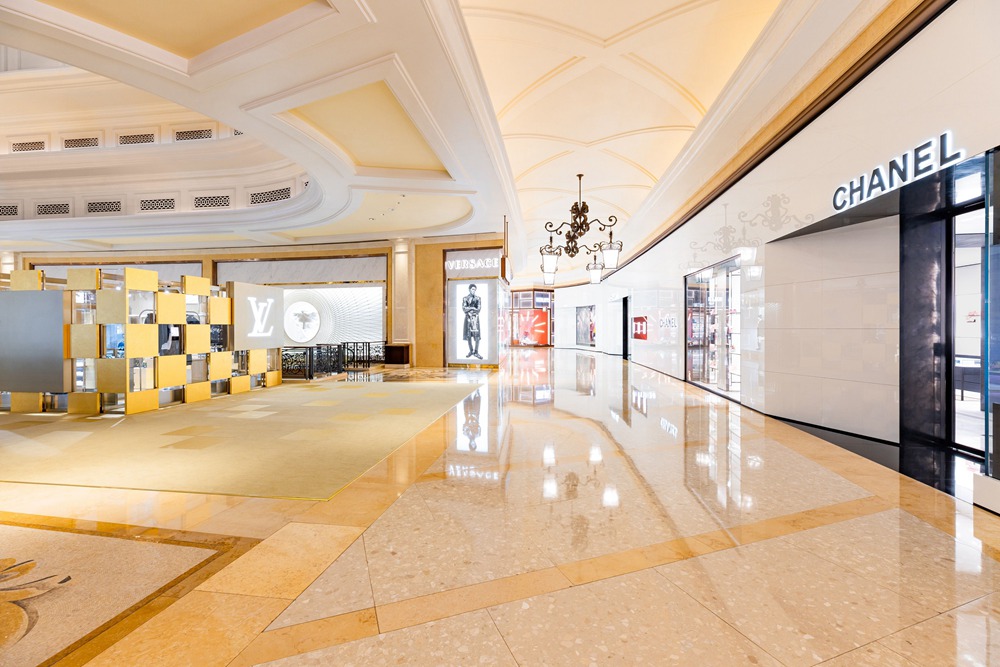
Galaxy Entertainment Group and Sands China are both positive about their Macau mall business for 2026 after stronger first-quarter retail performance. According to GGRAsia, Galaxy Macau mall net revenue rose 19.4% year-on-year to HKD400 million, while Sands China’s Cotai mall net revenue rose 8.9% year-on-year to US$135 million. The growth was mainly led by high-end retail segments, especially jewellery, watches and luxury categories.
This is important because Macau’s recovery is no longer only about gaming revenue. The stronger story is the gradual rebuilding of premium non-gaming spend — shopping, lifestyle, dining, entertainment and hospitality. For integrated resorts, this is exactly where long-term diversification becomes visible.
Speaker Comments: High-End Jewellery Is Leading the Recovery
Galaxy’s spokesperson told GGRAsia that the first-quarter improvement was led mainly by higher-end categories, with “high-end jewellery continuing to outperform” other retail segments. The spokesperson also said Galaxy delivered solid results despite a challenging global retail environment, supported by demand for unique and exclusive jewellery pieces.
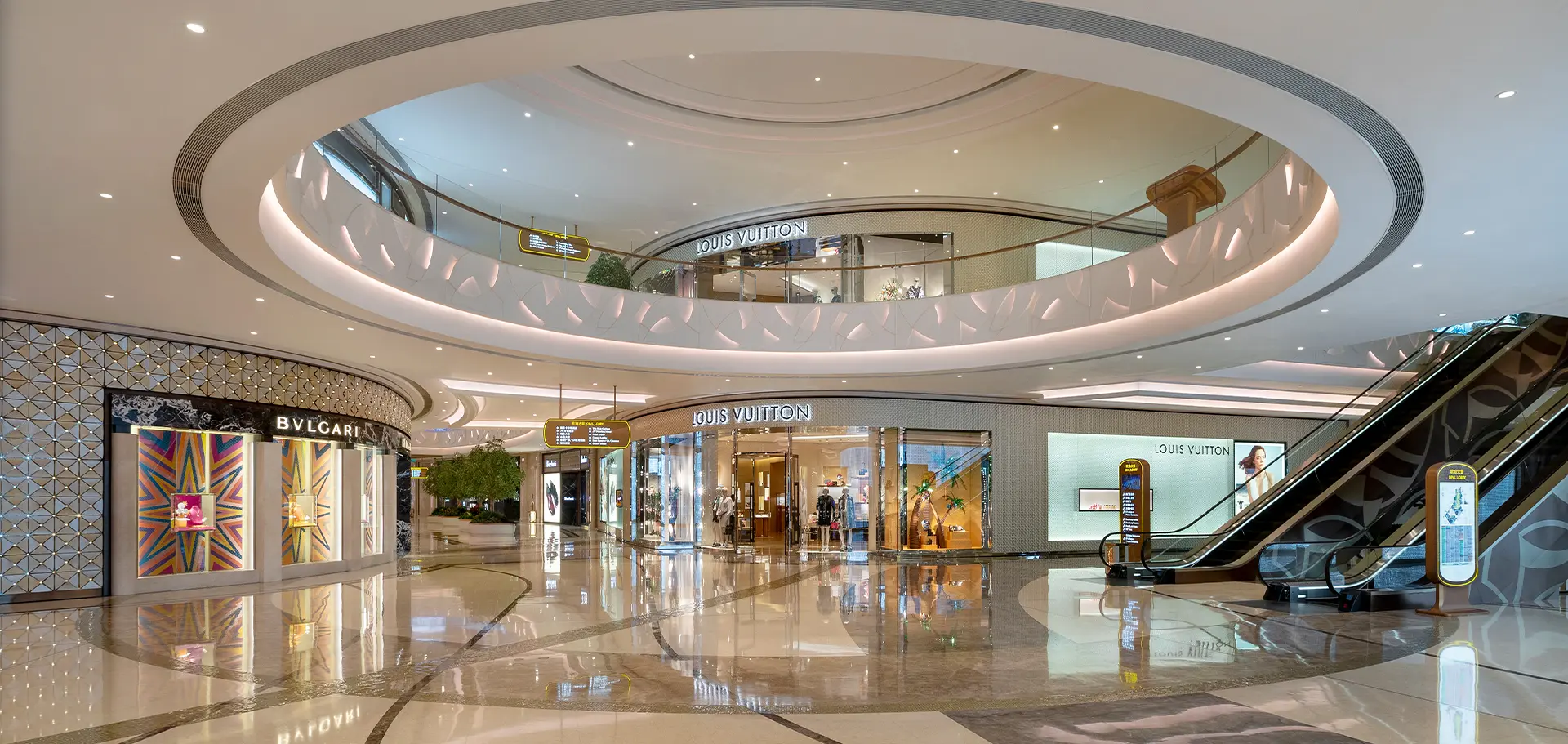
Sands China also saw strong retail momentum. Grant Chum, Sands China’s CEO and president, said the company achieved a “quarterly all time high” in tenant sales during 1Q26. He noted that growth was driven by the jewellery and watch sector, with significant growth also seen in fashion retail.
Why Luxury Retail Matters to Integrated Resorts
Luxury retail is not just rental income. It is a signal of visitor quality.
When high-end jewellery, watches and fashion perform well, it suggests that premium customers are returning and spending across the resort ecosystem. These customers may visit for gaming, MICE, hotels, restaurants or entertainment, but retail becomes another way to monetise the same traffic.
This is why mall performance matters for casino operators. It supports a more balanced revenue model and reduces overdependence on gaming.
Sands Shows the Power of Retail Scale
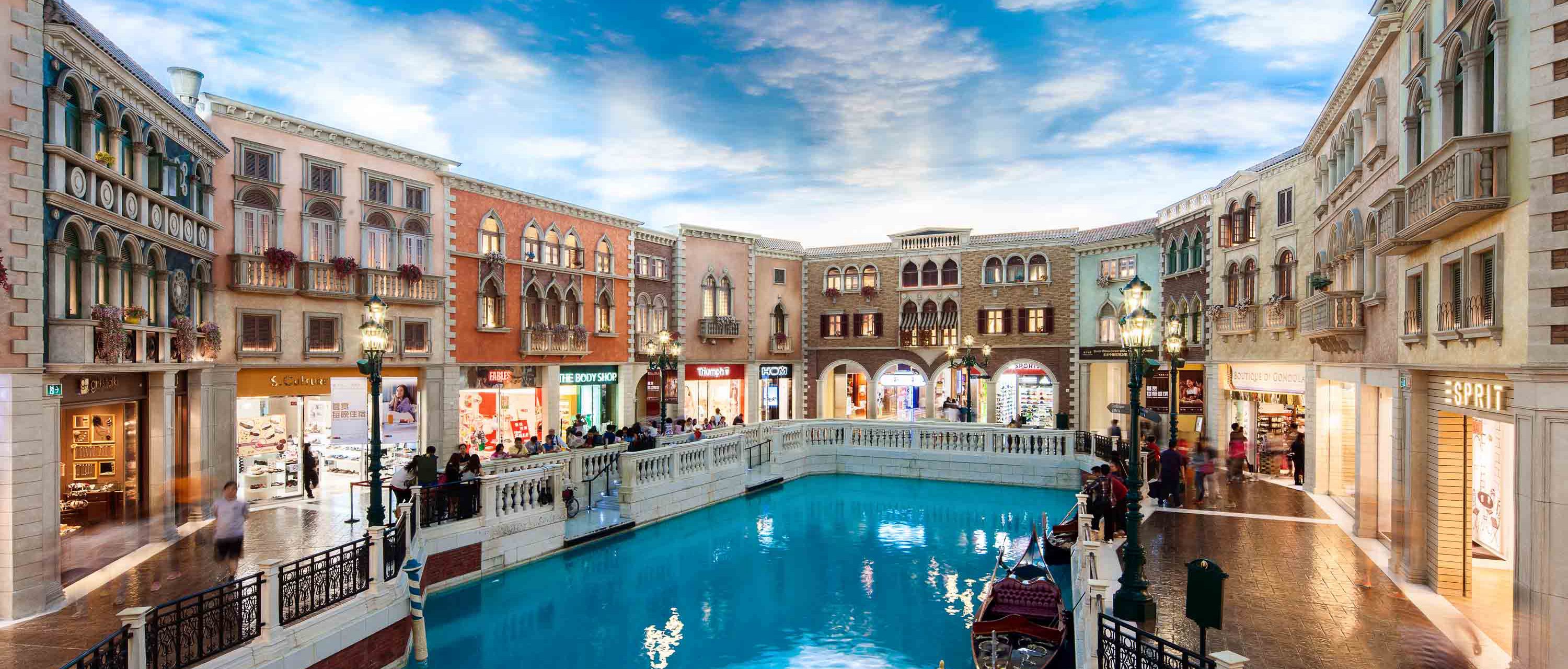
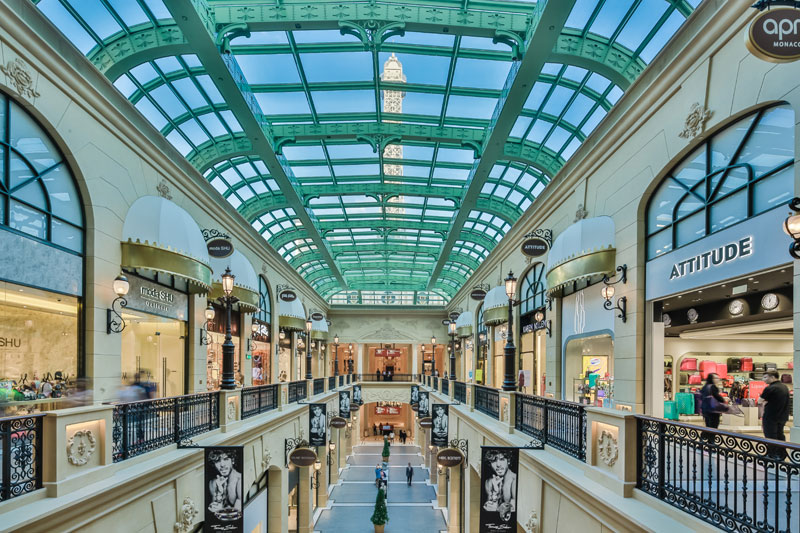
Sands China’s retail advantage is scale. Its Sands Shoppes Macao portfolio includes retail assets across The Venetian Macao, The Londoner Macao, The Parisian Macao, The Plaza Macao and Four Seasons Macao. GGRAsia reported that Sands Shoppes Macao had a 43% share of Macau-wide retail sales in 2025, up from 40% in 2024.
Tenant sales per square foot also showed strong growth at selected Sands properties. Shoppes at Venetian reached US$2,137, up 34.6% year-on-year, while Shoppes at Londoner reached US$1,765, up 30.2% year-on-year.
This shows how Sands is using its large integrated resort footprint to create a retail network effect. Visitors can move across hotels, casinos, restaurants, events and shopping malls within one ecosystem.
Galaxy’s Strategy: Quality Over Volume
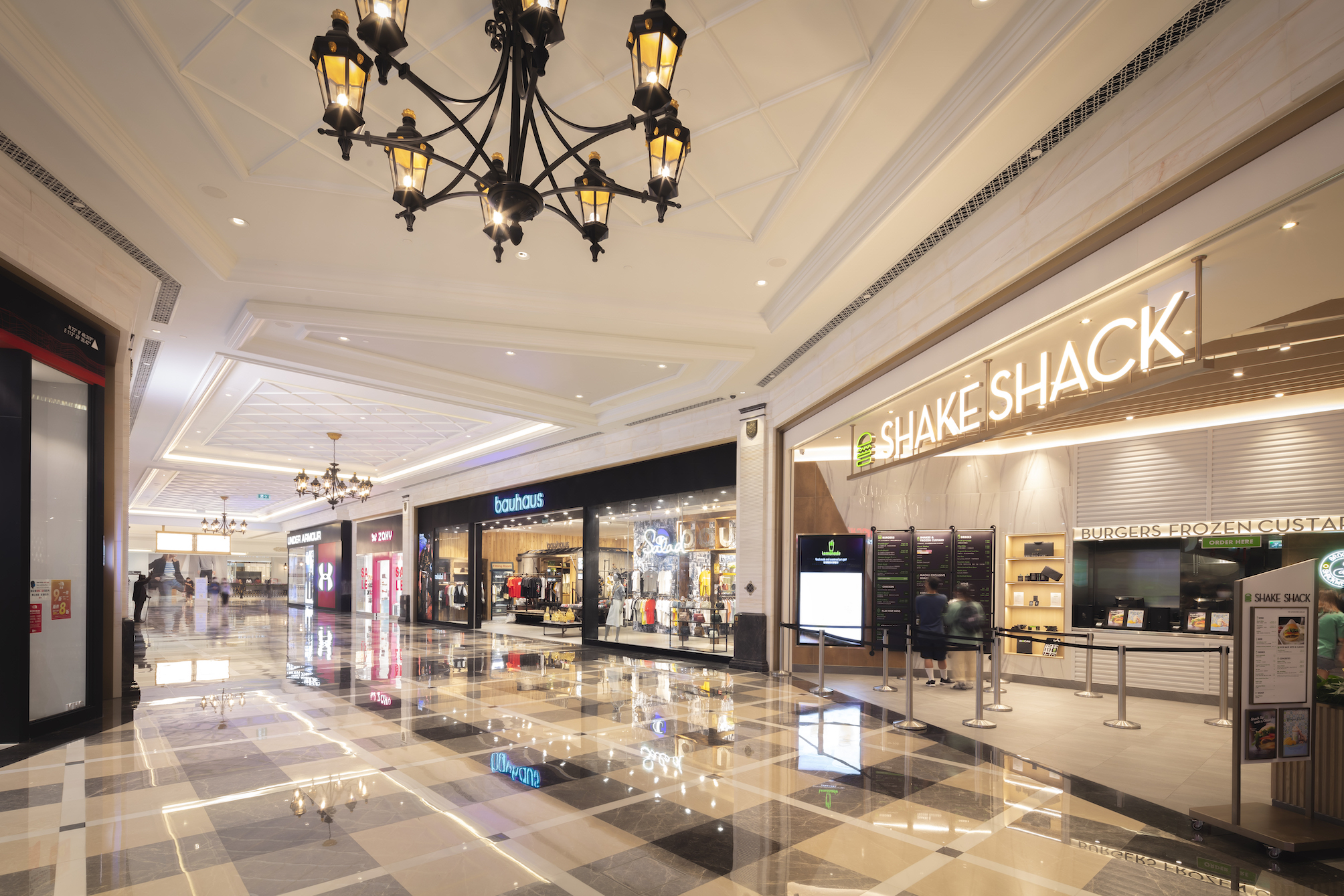
Galaxy’s approach appears more selective. The company said it remains optimistic for 2026 but recognises that the external environment is mixed and performance can vary by retail category. Its spokesperson added that Galaxy will keep optimising tenant mix and remain disciplined by focusing on quality of sales.
This is a smart position. In luxury retail, more footfall does not always mean better business. The goal is to attract the right customers, match them with the right brands, and maintain a premium environment that supports higher spending.
The Digital and Marketing Lesson
From a web application and marketing perspective, Macau mall operators should not treat retail as a passive rental business. The next stage should be data-driven retail engagement.
Integrated resorts should connect:
Hotel booking data
Casino loyalty data
Retail spending behaviour
Event attendance
Restaurant reservations
Digital campaign engagement
When these data points are connected, the resort can create better customer segmentation. For example, a premium hotel guest who regularly shops for jewellery should receive a different offer from a family visitor attending an entertainment event. This is where CRM, loyalty apps, personalised landing pages, push notifications and AI-driven recommendation engines can directly support retail growth.
Why This Matters for Macau’s Diversification
Macau’s government has been pushing operators to diversify beyond gaming. Reuters previously reported that Macau remains heavily reliant on gaming tax revenue and that authorities want the six concessionaires to expand non-gaming income.
The 1Q26 mall performance from Galaxy and Sands shows that non-gaming diversification can work, but it must be targeted. Generic retail will not be enough. The winning formula is premium positioning, strong tenant mix, lifestyle experiences and data-driven customer conversion.
Final Thought
The strongest takeaway is that Macau retail is becoming part of the integrated resort revenue engine, not just a supporting feature. Galaxy and Sands are showing that high-end retail can strengthen the overall resort ecosystem when it is linked to premium tourism, MICE, hospitality and loyalty strategy.
Original insight: the next competitive advantage in Macau retail will not only come from having luxury brands. It will come from knowing which customer should see which brand, which offer, at which moment, through which digital channel. That is where integrated resorts can turn mall traffic into measurable lifetime value.