 Content Writer: Janice Chew • Wednesday, 26/03/2026 - 16:41:35 - PM
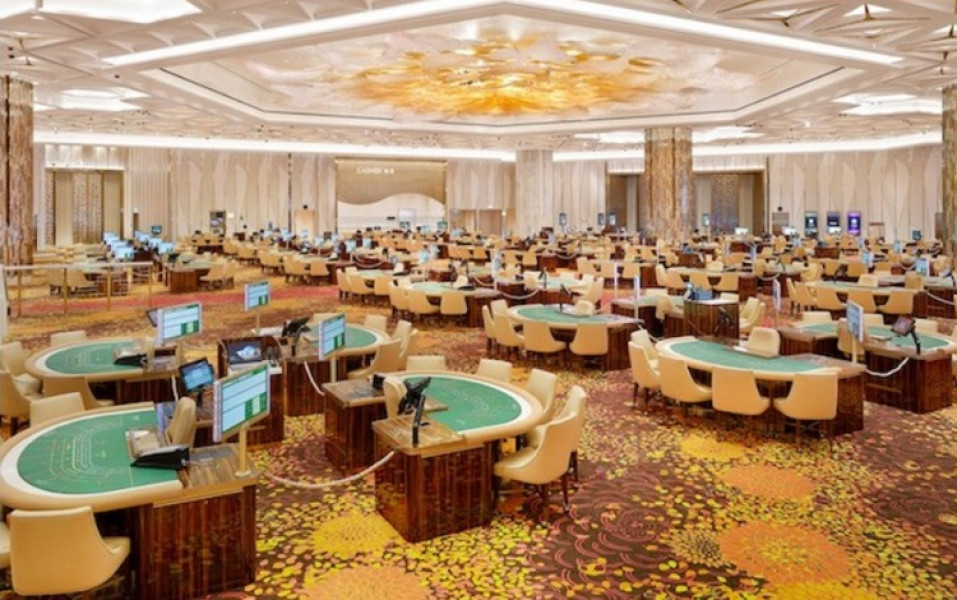
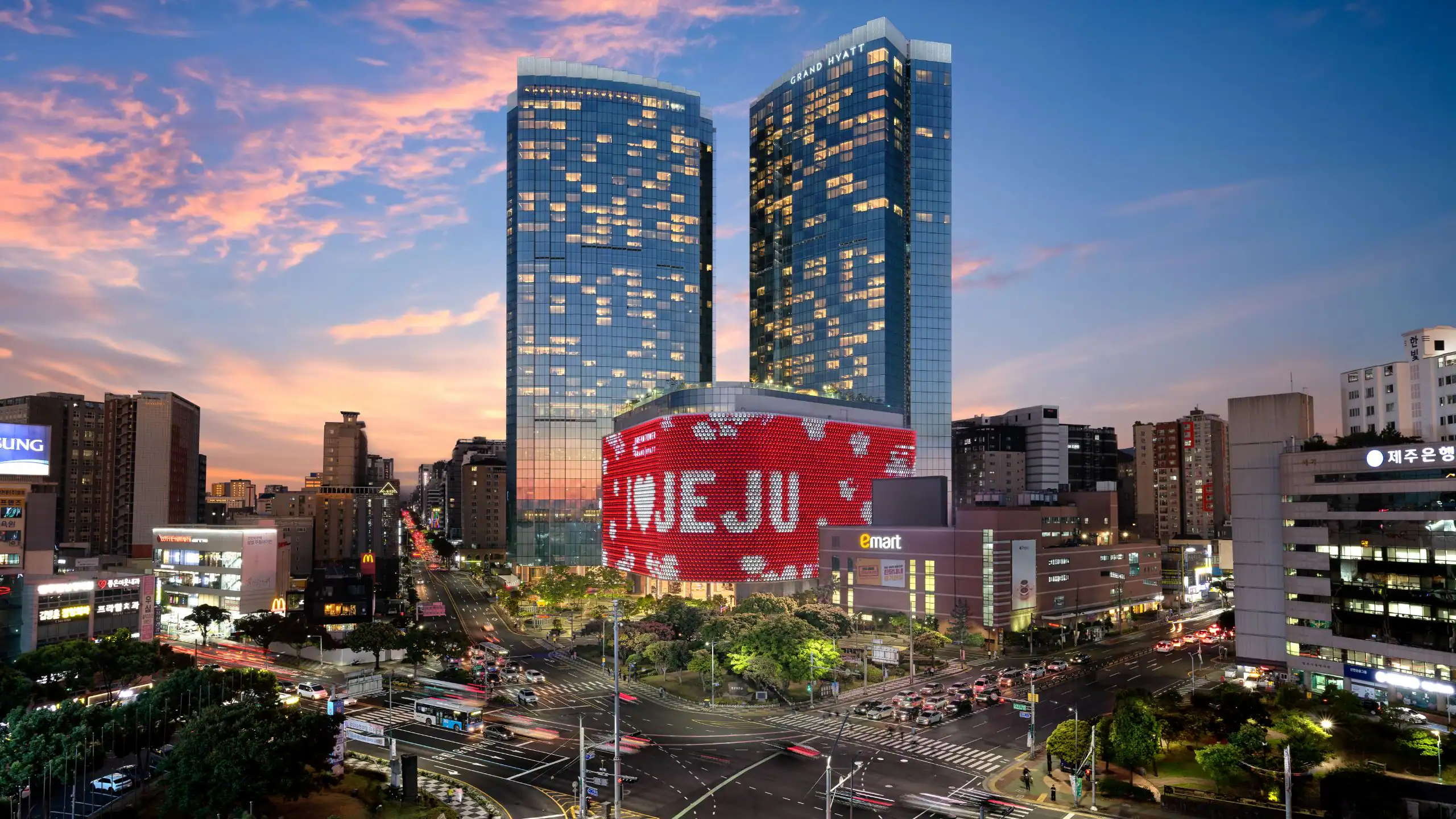
Casino revenue at Jeju Dream Tower continues to surge, with gaming sales rising 44% year-on-year to around US$22 million, according to updates from its operator Lotte Tour Development.
While the numbers may appear modest compared with the mega casinos of Macau, the growth highlights an important trend: South Korea’s foreigner-only casino market is quietly regaining momentum.
The Jeju Advantage
Located on Jeju Island, Jeju Dream Tower benefits from a unique regulatory environment.
Unlike mainland South Korea, Jeju operates as a special tourism zone, offering:
• Visa-free access for many foreign travelers
• A growing luxury hospitality ecosystem
• Increasing appeal to high-value tourists from Asia
These advantages help the resort attract international visitors despite Korea’s strict gaming regulations for locals.
Understanding the Revenue Growth
The 44% year-on-year increase reflects several structural improvements:
Tourism Recovery
International travel to South Korea has strengthened, especially from regional markets.
VIP Market Stabilization
Premium players returning to Jeju have helped lift table revenue.
Property Maturation
Since opening in 2020, Jeju Dream Tower has gradually refined its operations, marketing strategy and junket partnerships.
Casino revenue growth is therefore part operational maturity and part tourism recovery.
A Different Model from Macau
Comparisons with Macau are inevitable, but Jeju follows a different path.
Macau thrives on:
-
Massive scale
-
Mainland Chinese mass gaming traffic
-
Integrated resort megaprojects
Jeju’s model is smaller but strategic:
• Focused on niche premium travelers
• Positioned as a luxury island getaway
• Less dependent on large-scale junket systems
This diversification could become increasingly relevant as Asian gaming markets evolve.
South Korea’s Foreigner-Only Casino Strategy
South Korea maintains one of the strictest gaming policies in Asia.
Only one casino — Kangwon Land — allows Korean nationals to gamble.
All other casinos rely solely on international visitors.
While this limits domestic demand, it also pushes operators to focus heavily on:
-
Premium tourism
-
International marketing
-
High-end hospitality experiences
In that sense, Jeju Dream Tower’s performance is closely tied to regional tourism flows rather than domestic gaming demand.
The Role of the Grand Hyatt
Jeju Dream Tower is more than a casino.
The complex includes the Grand Hyatt Jeju, one of the largest Grand Hyatt properties in the world.
This integrated approach allows the property to attract:
• Luxury leisure travelers
• High-end retail shoppers
• Premium dining audiences
For integrated resorts, non-gaming attractions are becoming increasingly important revenue stabilizers.
Strategic Insight: Korea’s Quiet Comeback
While Macau headlines often dominate gaming news, South Korea’s casino sector is gradually recovering and repositioning.
Jeju Dream Tower’s growth suggests:
• Renewed confidence among international players
• Improved marketing toward regional VIP segments
• Stabilization of tourism flows into Korea
If China outbound travel continues to normalize, Jeju could see further momentum in the premium gaming segment.
What to Watch Next
Several factors will determine the resort’s trajectory:
1️⃣ China tourism recovery
A key driver for VIP gaming demand.
2️⃣ Competition from regional casinos
Destinations like the Philippines and Cambodia remain aggressive competitors.
3️⃣ Non-gaming entertainment expansion
Luxury retail, dining and entertainment will be crucial to long-term sustainability.
Final Take
Jeju Dream Tower’s 44% casino sales growth to US$22 million reflects more than a good month of gaming activity.
It signals:
-
Tourism normalization
-
Operational maturity
-
Renewed momentum in South Korea’s foreigner-only casino sector
While still smaller than Asia’s largest gaming hubs, Jeju is proving that focused luxury tourism can create sustainable growth in niche casino markets.