
 Content Writer: Janice Chew • Friday, 26/03/2026 - 14:03:40 - PM
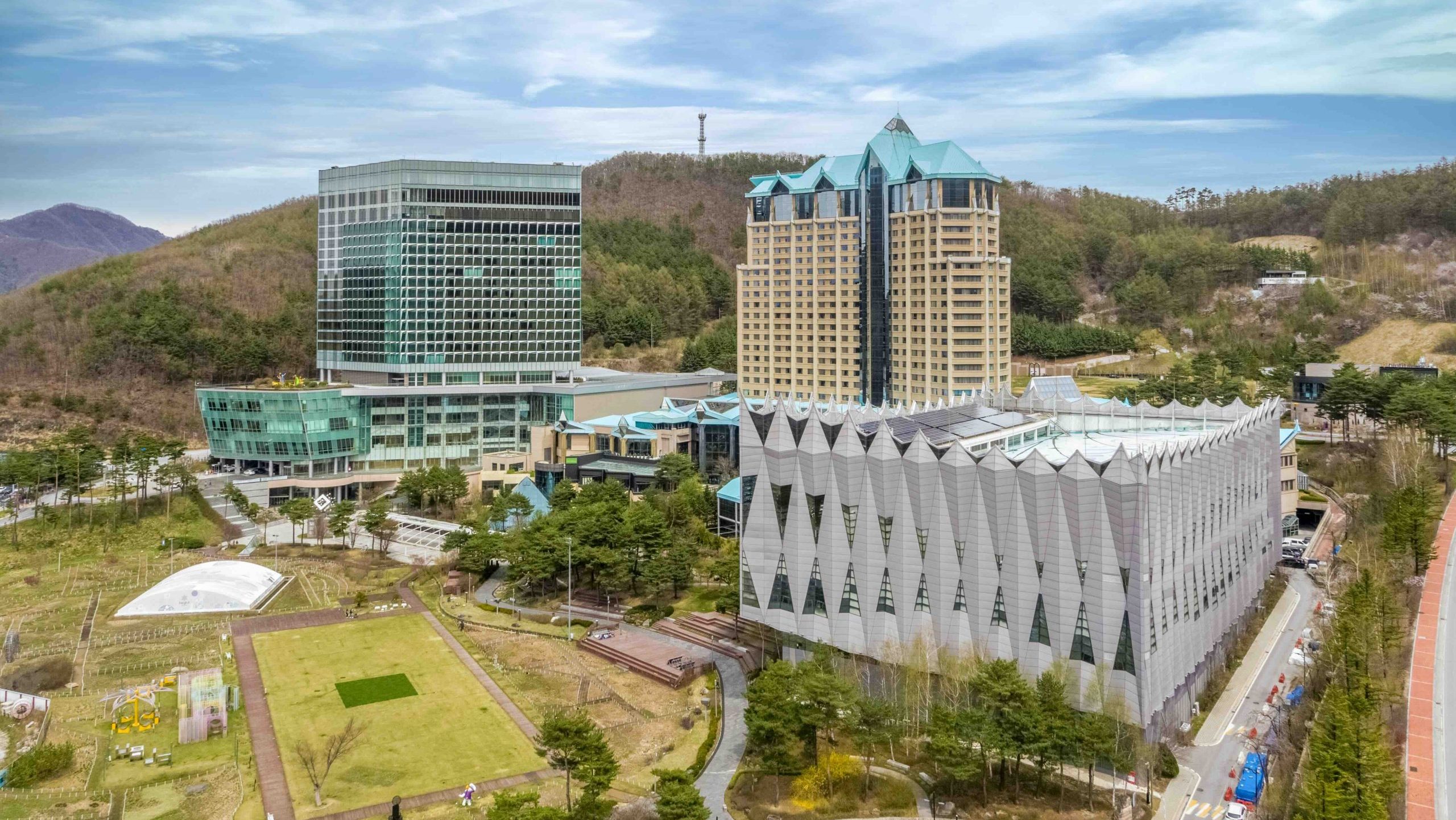
The latest developments from Kangwon Land reveal something far more meaningful than a typical ESG announcement. What we are seeing is a fully operationalised energy strategy, where policies are translated into daily actions that reshape how the resort functions—from employees to customers to infrastructure.
Against the backdrop of global energy uncertainty, especially with supply concerns linked to Middle East instability, this move signals a shift from reactive cost management to proactive operational redesign.
A Behavioural Shift: Influencing People, Not Just Systems
One of the most interesting aspects of Kangwon Land’s approach is how it targets human behaviour rather than relying purely on technology.
Employees are now part of a structured vehicle restriction system, reducing unnecessary commuting-related energy usage. At the same time, customers are gently nudged toward greener choices through incentives such as beverage discounts when they opt for public transportation.
This creates a balanced ecosystem where both internal staff and external visitors participate in energy conservation.
Key behavioural levers introduced:
- Employee vehicle rotation restrictions
- Incentives for public transport usage
- Shared responsibility between staff and guests
This is not enforcement—it’s designed influence, which is far more sustainable in the long run.
Rethinking Work: Energy as a Scheduling Problem
Beyond behaviour, Kangwon Land is also rethinking how work itself is structured. By encouraging flexible work arrangements for administrative and support teams, the company is effectively redistributing energy demand across different times of the day.
This matters because peak energy consumption is typically the most expensive and inefficient. By flattening these peaks, the resort improves both cost efficiency and system stability.
Instead of asking “how do we use less energy?”, they are asking a smarter question:
“How do we use energy more intelligently?”
Facility Optimization: Quiet Changes, Big Impact
Operational adjustments across the resort may not be highly visible, but they are critical. Accommodation facilities are being consolidated to avoid underutilized spaces consuming power, while lighting adjustments across the property further reduce unnecessary load.
Operational improvements include:
- Consolidation of accommodation usage
- Adjustments to resort lighting levels
- Smarter facility management and utilization
These are the kinds of changes that don’t attract headlines but deliver consistent, compounding savings.
The Power of Small Actions at Scale
Inside employee environments, the focus shifts to discipline and daily habits. Staff are encouraged to limit elevator usage, activate power-saving modes on devices, and maintain optimal office temperatures.
Individually, these actions may seem minor. But across a large, always-on integrated resort, they form a powerful layer of energy reduction.
This is where many organizations fail—they overlook the cumulative impact of micro-level behaviour.
Leadership Framing: From Company Initiative to National Responsibility
The messaging from leadership reinforces the seriousness of the initiative. Acting CEO Nam Han-gyu framed the effort as part of a broader response to a prolonged energy crisis, emphasizing the need for both employees and customers to voluntarily participate.
This positioning does two things:
- Aligns the company with national priorities
- Elevates energy saving from policy to shared mission
It transforms a corporate initiative into something more meaningful—a collective effort.
Industry Context: A Different ESG Path
Across Asia’s gaming landscape, sustainability is becoming a key theme, but approaches differ.
Operators like MGM China are investing in technological innovations such as recycling systems, while Genting Singapore emphasizes ESG contributions and community engagement.
Kangwon Land, however, is taking a more immediate route—focusing on operational efficiency and behavioural change. This approach requires less capital investment and delivers faster results, making it particularly effective in times of uncertainty.
Strategic Take: Energy as a System, Not a Cost
From a product and technology perspective, this initiative highlights a bigger opportunity. What Kangwon Land is currently implementing through policy and discipline can eventually evolve into a fully data-driven system.
Energy consumption can be tracked, analysed, and optimised just like revenue or player activity. Facilities, employee behaviour, and customer movement can all feed into a central intelligence layer.
For developers and operators, this opens the door to:
- Energy monitoring dashboards
- AI-driven optimization of consumption patterns
- Integration with existing casino management systems
In other words, energy becomes a measurable, optimisable asset.
Final Thought: The Real Shift Happening Here
Kangwon Land is not just reducing energy usage—it is redefining how energy is managed within an integrated resort.
The real shift is subtle but powerful:
From treating energy as an expense
To managing it as a strategic, optimisable system
In an industry where margins are constantly under pressure, those who master this transition will not only reduce costs but also gain a long-term competitive edge.