 Content Writer: Janice Chew • Wednesday, 25/11/2025 - 20:20:15 - PM
The Japanese government plans to raise visa issuance fees starting in fiscal year 2026, marking the first fee hike of this kind in nearly five decades. The move will take effect from April 2026 and will include increases not only for short-term tourist visas but also for changes and updates to residence status. Currently, single-entry tourist visas cost ¥3,000 and multiple-entry visas cost ¥6,000, which are comparatively low among major developed countries.
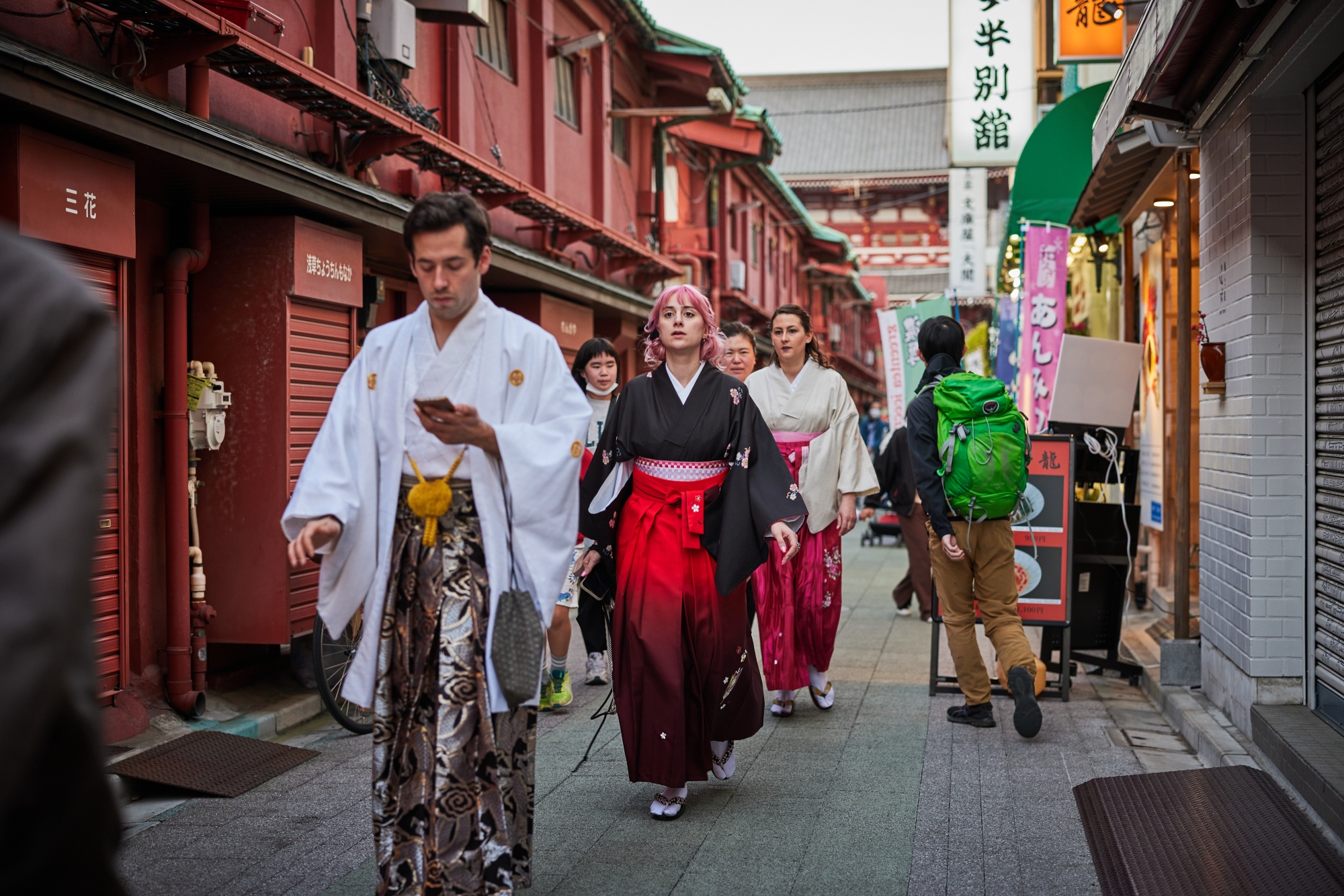
The rationale behind the fee hike is linked to surging inbound tourism and mounting administrative/operating costs. For example, Japan recorded 31.65 million foreign visitor arrivals from January to September 2025, up around 17.7 % year-on-year, underscoring the tourism boom and pressure on systems. At the same time, visa processing, border control and infrastructure demands are rising, which the government says the increased fees will help cover.
Another objective cited is addressing overtourism and ensuring sustainable tourism growth. The fee adjustment is intended to bring Japan’s visa costs closer to those of other major economies (e.g., the United States, United Kingdom, European countries) and to reflect higher costs of visa issuance. By increasing fees, the government hopes to moderate application volumes, reduce frivolous filings (with some proposals to collect fees at application rather than issuance) and better manage visitor flows in popular destinations.
However, details of the new fee structure, exact amounts and implementation timeline are still subject to consultation and have not been finalised. The government has indicated that the change will be incorporated into its “comprehensive economic measures” but expects to give public notice and collect feedback before full rollout. Many observers note this move reflects a shift in how Japan manages inbound tourism—from growing visitor numbers at any cost to balancing growth with infrastructure, resident impact and sustainability.