
 Content Writer: Janice Chew • Tuesday, 26/04/2026 - 15:23:57 - PM
Hong Kong has taken a surprisingly cautious step by suspending plans to introduce regulated basketball betting—highlighting a deeper concern that goes beyond gambling itself: the rapid rise of prediction markets.
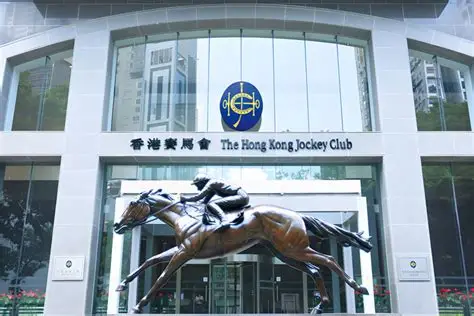
The move, tied to the city’s regulated betting ecosystem led by the Hong Kong Jockey Club, reflects a strategic decision to pause and reassess, rather than rush into a fast-evolving and potentially risky landscape.

What Happened: Policy Pause Amid Rising Risks
Hong Kong authorities have officially halted the rollout of basketball betting, citing concerns that:
- It could drive users toward illegal prediction market platforms
- It may unintentionally fuel unregulated gambling ecosystems
- Current conditions lack sufficient safeguards to protect public interest
The government emphasized that further study is required before proceeding.
Key Insight:
This is not a rejection of betting expansion—it’s a risk management decision in a rapidly changing digital environment.
The Real Trigger: Explosive Growth of Prediction Markets
The numbers tell the real story:
- Global trading volume hit $64 billion in 2025
- Up 300% from $16 billion in 2024
- Monthly volumes surged from <$100M → $13B+ in under 2 years
- Projected to grow 5x by 2030
- Over 40% expected to be sports-related
Strategic Implication:
Prediction markets are no longer niche—they are becoming a parallel betting economy.
What Are Prediction Markets (And Why Regulators Are Concerned)?
Prediction markets allow users to trade probabilities, not just place bets.
Unlike traditional sportsbooks:
- Prices are driven by supply and demand
- Contracts reflect probability (0–100 scale)
- Users can enter and exit positions in real time
Key Risks Identified
- Regulatory Gaps
- Many platforms operate cross-border
- Some use blockchain → harder to regulate
- Illegal Betting Spillover
- Users shift from regulated channels → unlicensed platforms
- Market Manipulation & Data Arbitrage
- Insider info, bots, syndicates
- Similar to financial trading risks
Big Picture:
Betting is evolving into a financial-like trading system, and regulation hasn’t caught up.
The Irony: Legalization Was Already in Motion
Before this pause, Hong Kong had already taken major steps:
- Passed the Betting Duty (Amendment) Bill 2025
- Introduced 50% tax on net stake receipts (same as football betting)
- Planned licensing model (likely single operator via HKJC)
Market Potential (Why This Matters)
- Illegal basketball betting estimated at HK$90B (~$11.47B) annually
- Legal market projected at HK$28B (~$3.57B) turnover
- Government revenue potential: HK$1.5B (~$191M) annually
The goal was clear:
Channel illegal demand into a regulated ecosystem
Why the Sudden Reversal?
Because prediction markets changed the equation.
Authorities now believe:
Introducing legal basketball betting could
→ Increase awareness of prediction platforms
→ Drive traffic to illegal ecosystems instead of reducing it
This flips the original strategy:
- From “legalize to control”
- To “pause to avoid unintended consequences”
Final Take: A Warning Signal for the Industry
Hong Kong’s pause isn’t a setback—it’s a strategic signal:
The future of betting is no longer just about odds
It’s about data, markets, and technology convergence
Prediction markets could become the biggest disruptor to traditional sports betting—and regulators are only just starting to react.
Closing Thought
This isn’t about basketball betting.
It’s about a bigger question:
Who controls the future of “predicting outcomes”—operators, users, or decentralized platforms?