
 Content Writer: Janice Chew • Monday, 26/04/2026 - 14:47:59 - PM
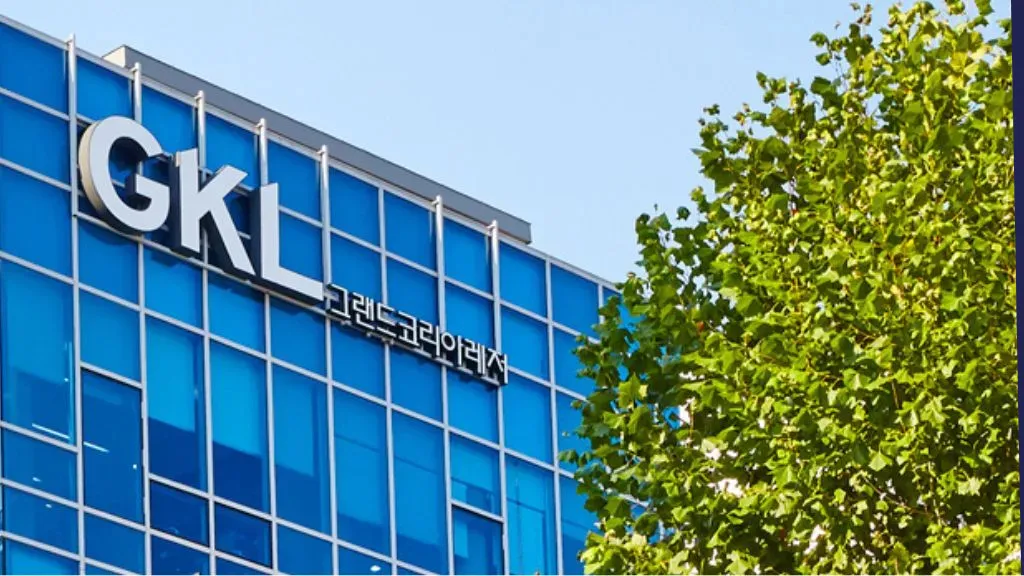
In March 2026, Grand Korea Leisure (GKL) reported casino revenue of KRW32.0 billion (US$21.2 million). This represents a 22.8% decline year-on-year, although it was 16.0% higher than February, suggesting some short-term recovery momentum.
However, the real story lies beneath the surface. The drop amount, which reflects total wagers, actually increased to KRW339.3 billion (US$225 million). This was up 13.5% year-on-year and 18.8% month-on-month.
This creates a critical contradiction: more money is being played, yet less revenue is being generated.
What the Numbers Really Mean
In casino economics, this situation points to yield compression.
Put simply, either:
- players are winning more than usual, or
- the mix has shifted toward lower-margin segments
Both scenarios signal weakening efficiency in monetizing player activity. It is not a demand problem—people are still playing—but rather a quality of revenue problem.
VIP Weakness vs Mass Market Growth
A closer look at the breakdown reinforces this shift.
Table games revenue, largely driven by VIP players, fell 26.0% year-on-year to KRW28.4 billion. This is significant because table games have traditionally been the primary profit engine for casinos like GKL.
In contrast, machine revenue increased by 17.8%, reaching KRW3.54 billion. This growth suggests rising participation from mass or premium mass players, who typically provide more stable but lower-value returns.
The imbalance is clear. While the mass segment is growing, it is still too small to offset the decline in VIP-driven table games.
A More Cautious Strategic Direction
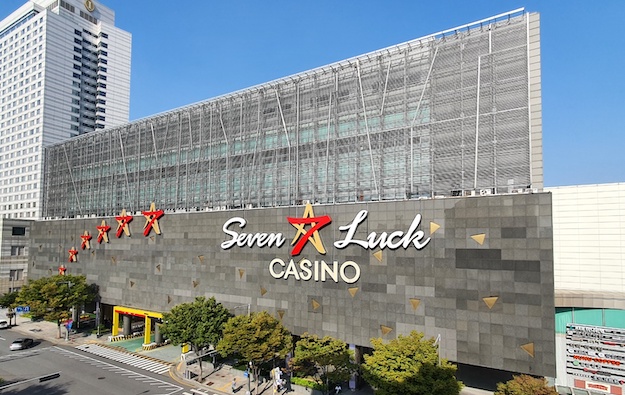
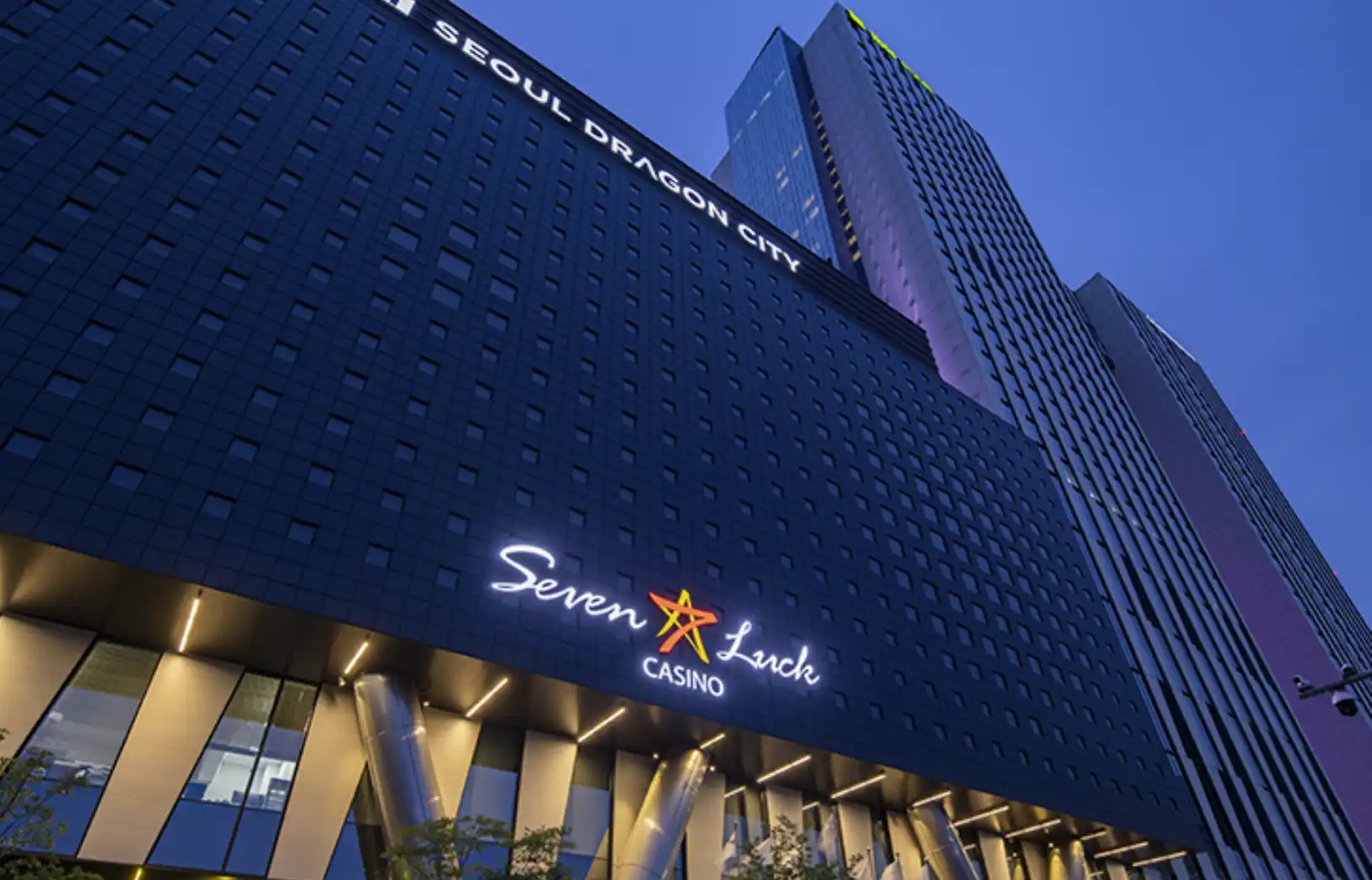
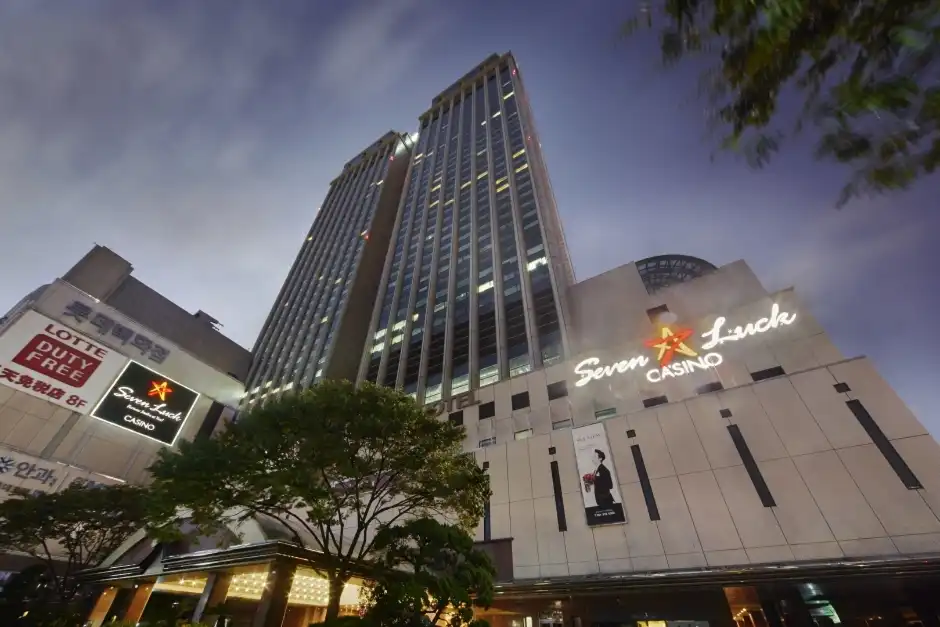
Beyond the monthly numbers, GKL has also recently dropped its plan to acquire the Seven Luck Casino site at Seoul Dragon City.
Although the company recorded KRW425.3 billion (US$294 million) in total revenue for FY25, this decision signals a more cautious stance. It suggests that GKL is reassessing expansion plans amid increasing uncertainty about future demand and profitability.
The Structural Challenge in Korea
To fully understand this trend, it is important to look at the broader market structure in South Korea.
Unlike markets such as Macau or Singapore, Korea operates under a foreigner-only casino model. This creates a fundamental limitation.
Even as tourism recovers, not all visitors gamble. More importantly, without a domestic player base, there is no stable layer of recurring demand to cushion volatility.
This makes operators like GKL highly dependent on international travel flows and VIP behavior—both of which are inherently unpredictable.
Rising Competitive Pressure
The regional landscape is becoming more competitive.
Integrated resorts such as Marina Bay Sands have redefined the gaming experience by combining casinos with hospitality, retail, entertainment, and events. This creates stronger engagement and higher overall spending per visitor.
In comparison, Korea’s casinos, including GKL’s Seven Luck properties, are more limited in scope and lack the same level of destination appeal.
A Model That Needs to Evolve
What we are seeing is not just a temporary fluctuation, but a sign of transition.
The traditional VIP-driven model is becoming more volatile, while the mass market—although growing—has not yet reached sufficient scale. This creates a gap that cannot be ignored.
For GKL, the challenge is no longer simply about attracting more players. It is about building a more balanced and resilient revenue model.
This could involve:
- strengthening premium mass segments
- enhancing non-gaming experiences
- investing in pre-arrival engagement and digital marketing
In today’s landscape, successful operators are those who influence the customer journey before the visit, not just during it.
Final Perspective
March’s results should not be viewed in isolation. They represent a broader shift taking place within the gaming industry.
More traffic does not automatically translate into more revenue.
The key lies in how effectively that traffic is converted, engaged, and retained.
For Grand Korea Leisure, this moment presents both a warning and an opportunity. How the company adapts will determine whether it continues to face volatility—or emerges with a stronger, more sustainable model for the future.