
 Content Writer: Janice Chew • Tuesday, 26/02/2026 - 18:38:39 - PM
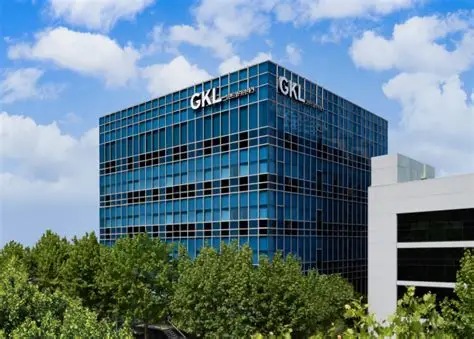
South Korea’s state-linked casino operator Grand Korea Leisure has officially dropped plans to acquire the site housing one of its Seoul-based casinos, marking a notable strategic shift as the company reassesses capital priorities amid a challenging operating environment. The decision affects the location currently used by its flagship Seven Luck Casino brand and reflects broader uncertainties facing Korea’s foreigner-only casino sector.
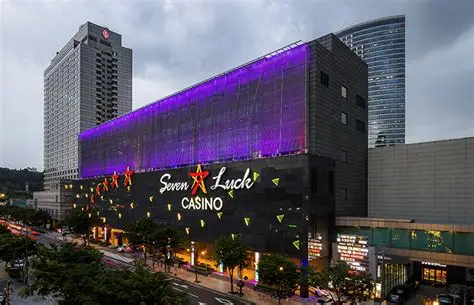
The move comes as Grand Korea Leisure (GKL) continues to grapple with uneven recovery in inbound tourism, particularly from China, which remains a critical feeder market for Seoul casinos. While travel has largely normalised in other parts of Asia, Korea’s casino industry has struggled to regain pre-pandemic momentum, constrained by intense regional competition and changing travel patterns that increasingly favour integrated resort destinations over standalone urban casinos.
From a financial perspective, analysts view the decision to abandon the acquisition as a conservative but pragmatic step. Acquiring prime Seoul real estate would have required significant capital outlay at a time when earnings visibility remains limited. By stepping back, GKL preserves balance sheet flexibility, allowing management to prioritise operational efficiency, targeted marketing and potential reinvestment into existing properties rather than committing to long-term property ownership.
The development also highlights a structural challenge unique to Korea’s gaming market. Unlike integrated resorts in Singapore or Macau, Seoul casinos operate within a tightly restricted framework, with limited scope to expand non-gaming offerings that could diversify revenue streams. As a result, return on large-scale capital investments—such as owning high-value urban sites—can be difficult to justify without a clear uplift in visitation and spend.
Looking ahead, industry watchers expect Grand Korea Leisure to remain cautious in its capital deployment strategy, focusing instead on stabilising core operations and adapting to a more competitive Asian gaming landscape. The decision to drop the Seoul site acquisition underscores a broader theme emerging across the region: in an era of uncertain demand recovery, flexibility and disciplined capital management are increasingly valued over aggressive expansion.