
 Content Writer: Janice Chew • Thursday, 26/07/2026 - 22:58:59 - PM
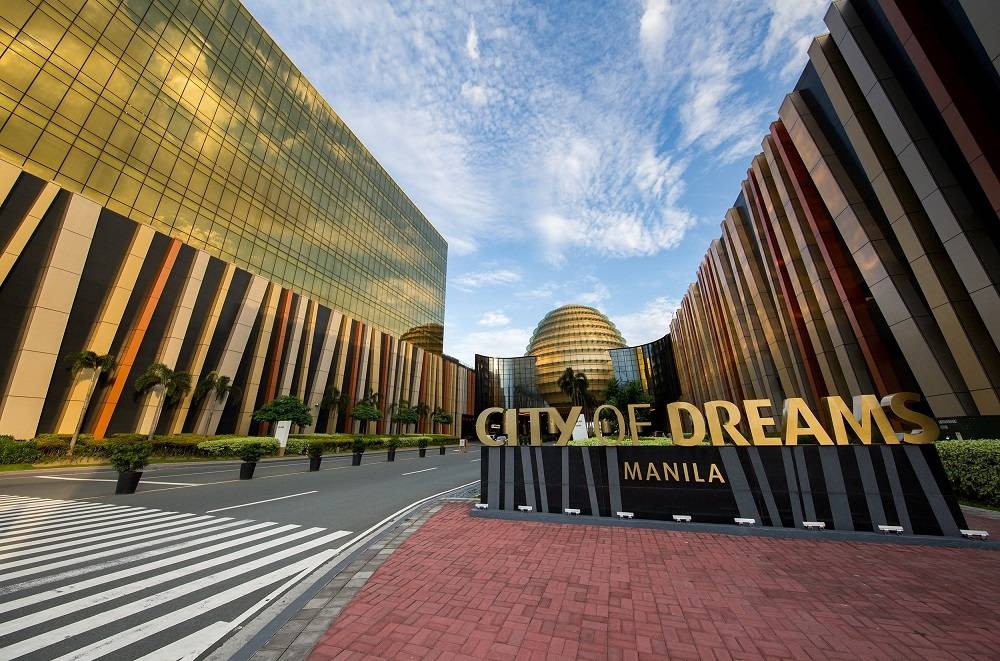
Belle Corporation’s first-half 2026 results show that City of Dreams Manila is once again becoming a stronger earnings driver for the Philippine property and gaming group.
Belle’s share of gaming revenue from the integrated resort increased 23% year-on-year to PHP952.9 million, supported by a particularly strong second quarter. Gaming revenue share in 2Q26 rose 37.5% to PHP467.2 million. Consolidated revenue grew 10% to PHP2.73 billion, while net income climbed 22% to PHP976.8 million.
Gaming Growth Drove Most of the Profit Improvement
The most important detail is not simply that gaming revenue increased. It is how much that increase contributed to Belle’s bottom line.
Lease income from Melco Resorts & Entertainment for the City of Dreams Manila property remained stable at approximately PHP1.17 billion, while gaming-equipment rental income was unchanged at PHP258.9 million.
Based on the reported growth rates, Belle generated approximately PHP178 million more gaming revenue share than in the first half of 2025. Its total net income increased by roughly PHP176 million over the same period.
This suggests that, after accounting for other movements, the additional gaming contribution explains nearly all of Belle’s year-on-year profit growth. It also demonstrates the operating leverage available when gaming performance improves while the company’s property-related income remains stable.
Belle Benefits From a Hybrid Business Model
Belle is not a traditional casino operator. It owns the land and property used by City of Dreams Manila and receives lease income from Melco, while also participating in the resort’s gaming earnings through Premium Leisure Corporation.
This structure gives Belle two complementary income streams:
Stable property income provides recurring cash flow, while gaming revenue participation gives the company exposure to stronger casino performance.
During 1Q26, Belle received approximately PHP588 million in lease revenue and PHP486 million from its share of gaming operations. Its quarterly net income increased 13% to PHP524 million.
The second-quarter acceleration therefore suggests that the variable gaming component—not the fixed property component—became the main growth engine during the period.
Strong Earnings, but Gaming Volatility Still Matters
Melco’s own first-quarter results provide additional context. City of Dreams Manila’s operating revenue increased from US$101.6 million to US$105.5 million, while adjusted EBITDA rose from US$30.1 million to US$37.4 million. Melco attributed much of the improvement to better rolling-chip performance.
However, mass-market table drop and gaming-machine handle both declined during the quarter. Rolling-chip win rate reached 5.18%, substantially above Melco’s expected range of 2.85% to 3.15%.
This means part of the first-quarter improvement may have been influenced by favourable VIP hold rather than purely stronger underlying gaming volumes. Belle’s sharp second-quarter growth is encouraging, but future results will need to show that momentum is supported by sustainable visitation, spending and mass-market demand.
A Positive Signal for Manila’s Integrated Resorts
The Philippine gaming market has expanded rapidly, supported by both integrated resorts and electronic gaming. PAGCOR previously projected industry gross gaming revenue to grow as much as 17% in 2025 after reaching PHP410.5 billion in 2024, representing 25% annual growth.
At the same time, Manila’s land-based casinos face greater competition from digital gaming platforms and changing inbound-tourism patterns.
Belle’s latest results suggest that established integrated resorts can still generate meaningful growth when they combine premium gaming, hospitality, entertainment and strong customer acquisition. The challenge is ensuring that growth comes from deeper and more diversified demand rather than short-term gaming luck.
What Comes Next
The stronger contribution from City of Dreams Manila may also improve Belle’s confidence as it explores a proposed second integrated resort in the Clark Freeport Zone, where it has secured a provisional PAGCOR licence.
Clark offers access to a growing tourism, aviation and leisure corridor, but any new development would enter an increasingly competitive market. Belle will need to balance expansion ambitions with capital discipline and ensure that a Clark project complements, rather than duplicates, its Manila exposure.
Final Takeaway
Belle’s first-half performance highlights the value of its hybrid landlord-and-gaming-participant model.
Its stable lease income provides resilience, while the 23% increase in gaming revenue share creates earnings upside. More importantly, the second-quarter acceleration indicates that City of Dreams Manila entered mid-2026 with stronger momentum than it showed at the beginning of the year.
The next test will be whether that improvement is sustained through higher mass-market volumes, stronger tourism demand and disciplined customer reinvestment. If it is, City of Dreams Manila could remain both Belle’s core cash-generating asset and the foundation for its next phase of gaming expansion.